Key takeaways: Financial firms on Zelle have begun reversing transfers their customers made to scammers. The reversal of transfers is being handled by Early Warning…
Posts published in “Financial”
ICBC FS, the world's largest lender by assets, has experienced a ransomware attack that has caused disruption to certain systems. The attack has disrupted the trading of U.S. Treasury securities and ICBC FS is currently investigating the incident and working on recovery. The attack highlights the need for organizations to have robust cybersecurity measures in place to protect against such attacks.

Ivanka Trump is set to take the stand on Wednesday in the ongoing civil fraud trial of her father and his business in New York. The trial is examining allegations of fraud tied to false inflation of Donald Trump's net worth and the Trump Organization properties. Ivanka's testimony could be key in determining the outcome of the case, which will decide whether the Trump family must pay restitution and penalties for the alleged fraud.
WeWork, the once high-flying office-sharing company, has filed for Chapter 11 bankruptcy protection in the US and Canada. The company reported liabilities ranging from $10 billion to $50 billion, and is now looking to reduce its debt burden. Despite its high valuation, WeWork was unable to turn a profit and its business model was not sustainable in the long run, highlighting the risks associated with investing in high-growth startups.
The U.S. economy saw job growth slow more than expected in October, with nonfarm payrolls increasing by 150,000 and the unemployment rate rising to 3.9%. The report confirms expectations of a slowdown in job growth, and could signal further slowing in the coming months. The Federal Reserve's third interest rate cut this year in October may take some heat off in its fight against inflation.
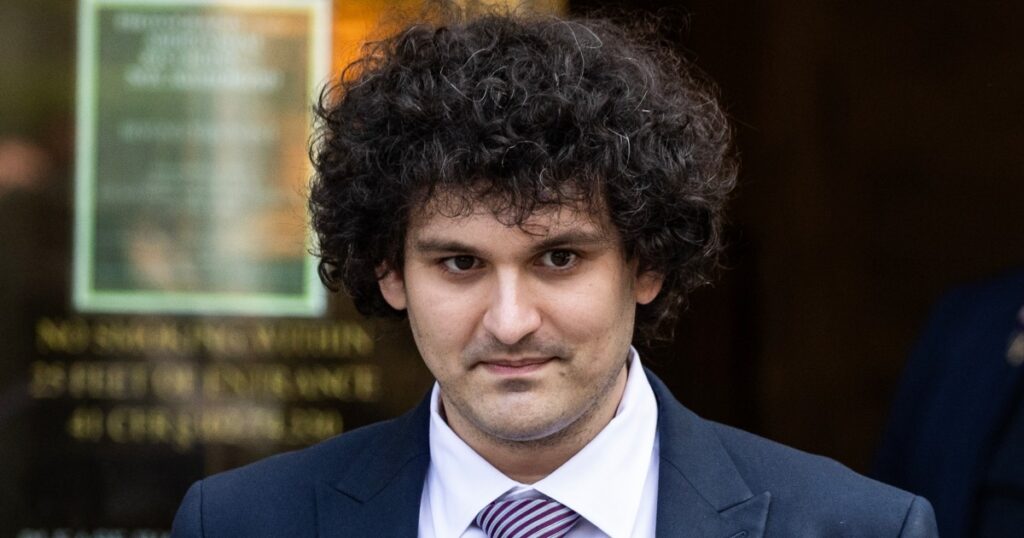
Sam Bankman-Fried, a 31-year-old former cryptocurrency billionaire, has been found guilty of seven counts of fraud, conspiracy and money laundering in a federal jury in New York City. The charges include two counts of wire fraud conspiracy, two counts of wire fraud, one count of conspiracy to commit money laundering, one count of conspiracy to commit commodities fraud and one count of conspiracy to commit securities fraud. The maximum sentence for all seven counts is up to 95 years in prison.
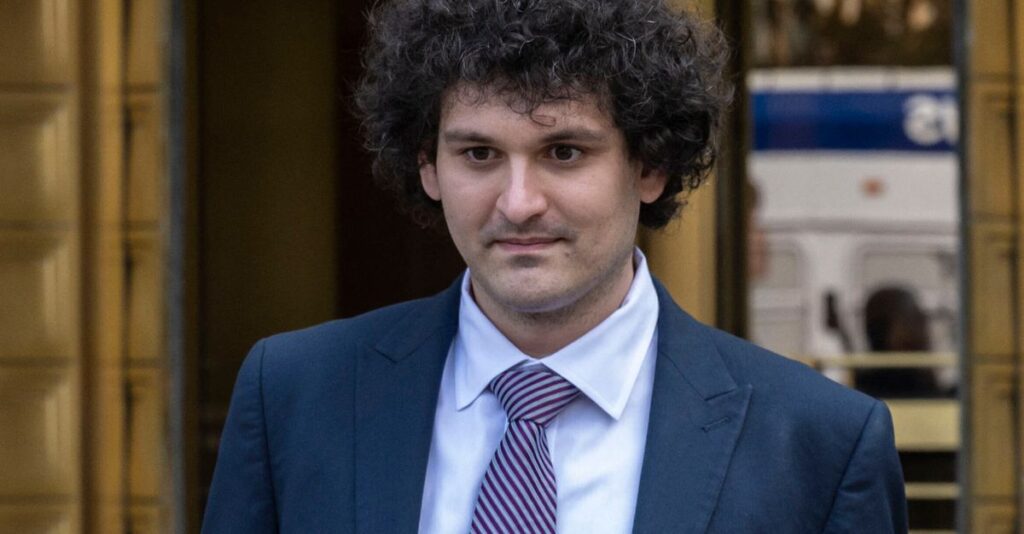
Sam Bankman-Fried, founder of FTX, was convicted of fraud in a scheme that cheated customers and investors of at least $10 billion. During the trial, prosecutors argued that Bankman-Fried had committed fraud and had cheated customers and investors, while the defense argued that Bankman-Fried had not intended to commit fraud and had acted in good faith. The jury's decision will now determine Bankman-Fried's fate, bringing to a close a spectacular rise and fall in the cryptocurrency industry.
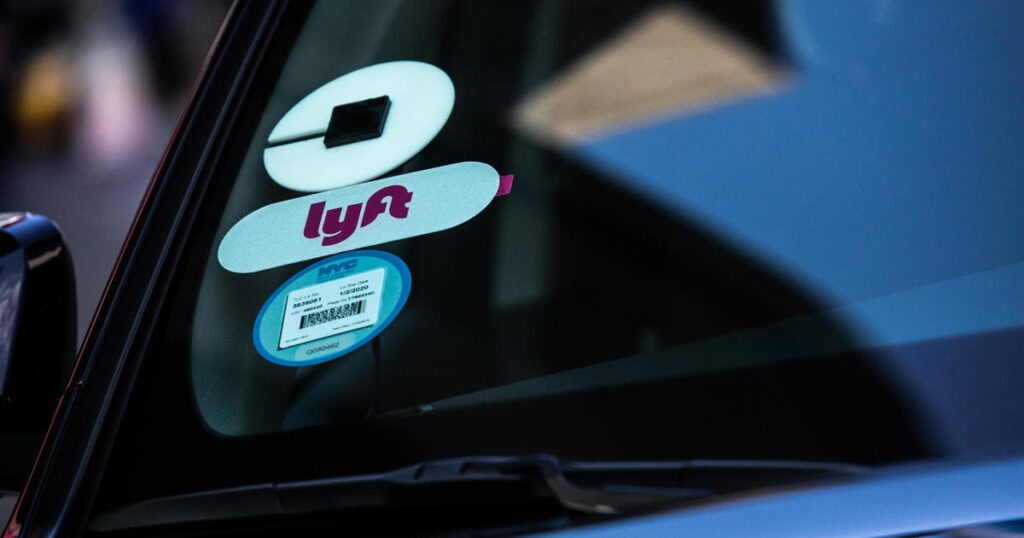
New York State Attorney General Letitia James has announced that Uber and Lyft have agreed to pay a combined $328 million to settle allegations of wage theft and failure to provide mandatory paid sick leave. This settlement will benefit over 100,000 drivers in New York, guaranteeing them a minimum of $26 an hour in wages and mandatory sick leave. The Attorney General's office is committed to protecting workers' rights and ensuring that companies are held accountable for their actions.