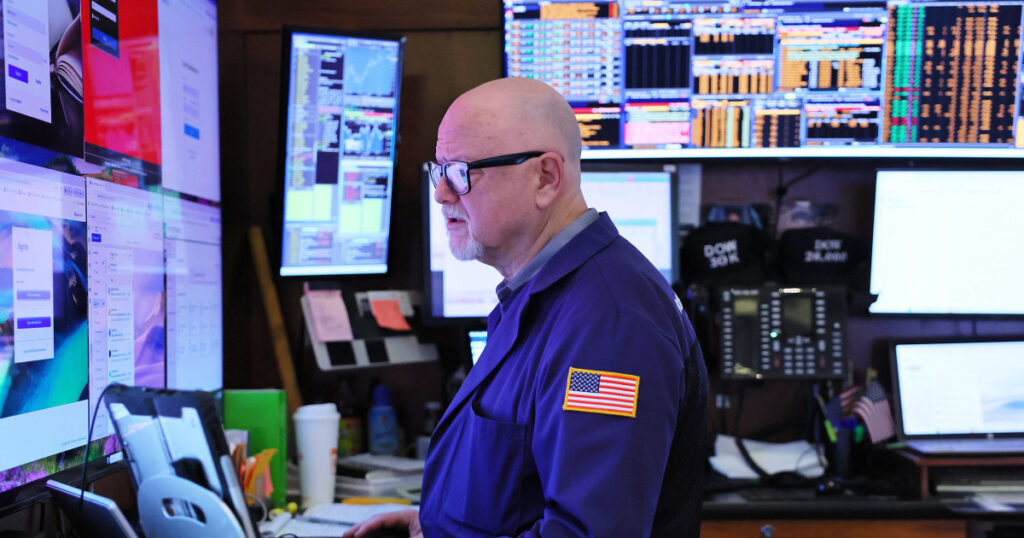
President Donald Trump has temporarily suspended his administration's "reciprocal tariffs" for 90 days in response to recent financial market turbulence and concerns about market volatility. This decision reflects a broader historical pattern where U.S. presidents adjust economic strategies based on feedback from financial markets, particularly when bond investors express alarm over perceived fiscal irresponsibility. The suspension underscores the complex relationship between government policy and market dynamics, highlighting the importance of stability and predictability in maintaining investor confidence.
Posts published in “Financial”
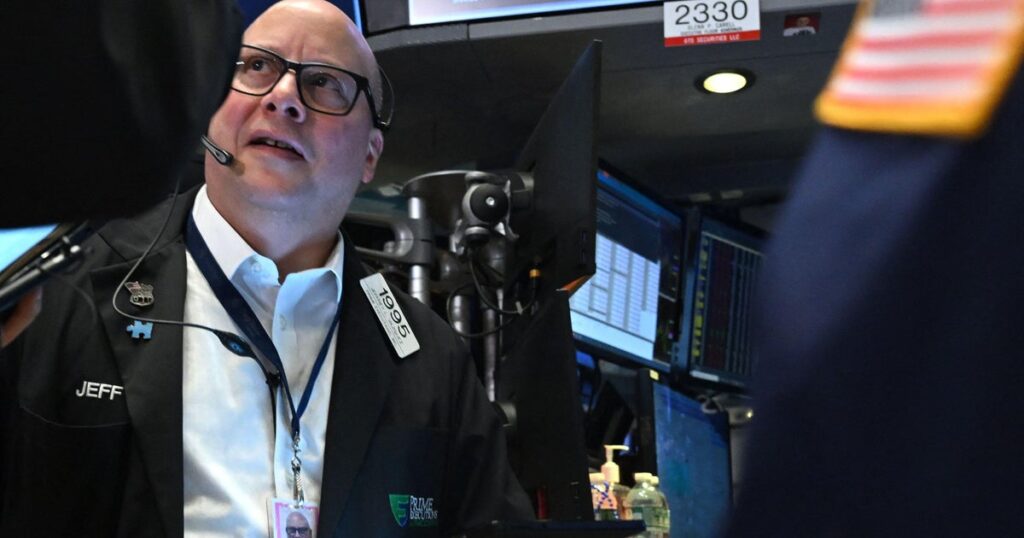
Recent market volatility has been significantly influenced by President Donald Trump's unpredictable policy decisions, leading to investor concerns about the sustainability of future market rallies. The situation has been exacerbated by China's announcement of additional countermeasures in response to the U.S. imposing a higher-than-expected tax on Chinese imports, which has accelerated stock market losses and affected the bond market. UBS strategist Bhanu Baweja and other analysts highlight the ongoing trade war as a threat to the economy, with recent fluctuations partially reversing historic stock gains and contributing to broader economic uncertainty.
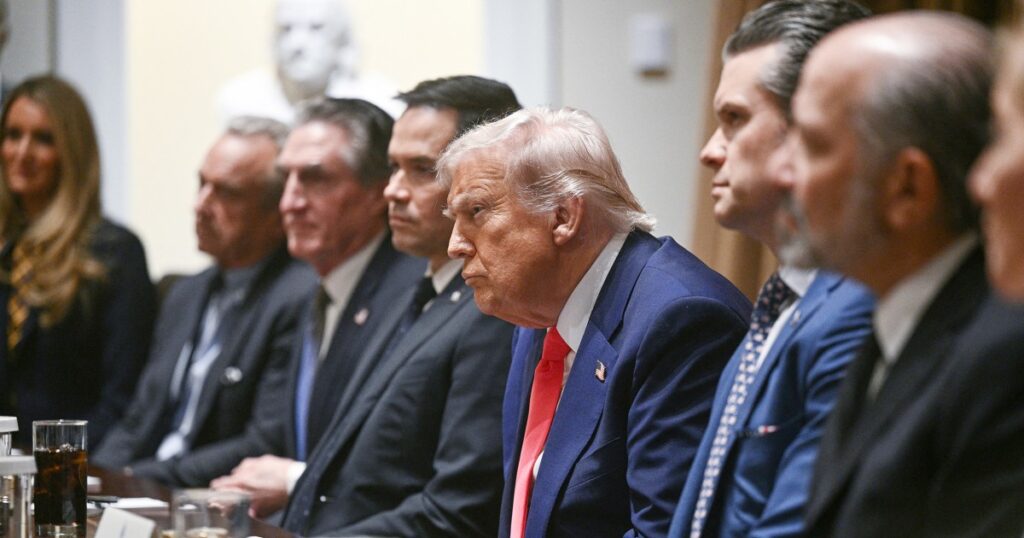
During a Cabinet meeting, President Donald Trump addressed the escalating trade tensions with China, highlighting the administration's decision to increase tariffs on Chinese goods to 145%, which has led to market volatility. Despite the fluctuations, Trump expressed confidence in reaching favorable trade resolutions with various countries within 90 days, aiming to stabilize the economic landscape through strategic negotiations. Treasury Secretary Scott Bessent provided context on market movements, suggesting they are part of broader economic dynamics, while critics voiced concerns about potential inflation and the need for sustained policy efforts.

The Prada Group has announced its acquisition of the Italian fashion house Versace from Capri Holdings for approximately 1.25 billion euros, marking a significant expansion of Prada's brand portfolio. Prada views Versace's unique style as a complementary addition that will enhance its existing fashion lines, with the acquisition financed through 1.5 billion euros in new debt. This strategic move highlights a broader trend in the luxury fashion industry, where major brands seek to expand their influence through acquisitions, and Prada aims to strengthen its market position while preserving Versace's creative identity.
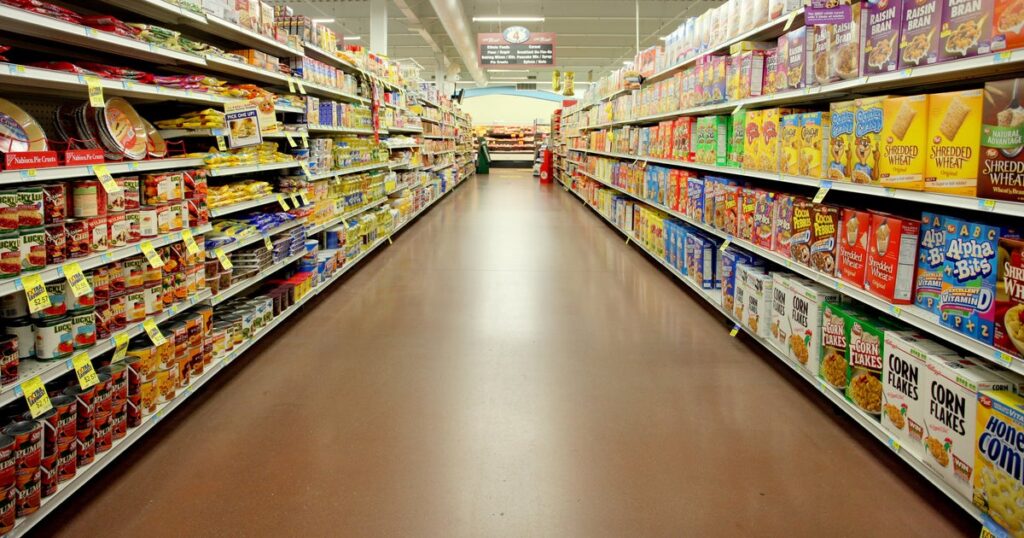
In March, the United States saw a slowdown in consumer price growth, with the Consumer Price Index rising by 2.4% annually, down from February's 2.8%, reflecting progress in the Federal Reserve's inflation reduction efforts. A significant drop in fuel prices, particularly gasoline, contributed to easing inflationary pressures, providing relief to consumers and supporting the trend of slowing inflation. The core inflation measure, excluding food and energy, rose by 2.8% over the past year, marking the smallest increase since March 2021, suggesting stabilizing underlying price pressures and offering optimism for policymakers.

President Donald Trump's tariff policy is set to impact electronic device pricing, particularly Apple iPhones, as new tariffs on foreign nations are introduced, though they have been postponed for 90 days except for Chinese imports. The announcement has caused financial market volatility, with the S&P 500 index experiencing a significant rise due to the temporary pause in higher tariff rates for several trading partners, while a baseline 10% tariff remains. The White House's decision to impose a 104% tariff on all Chinese goods, potentially raising consumer prices, underscores the administration's focus on addressing trade issues with China, prompting concerns about increased costs and supply chain disruptions.
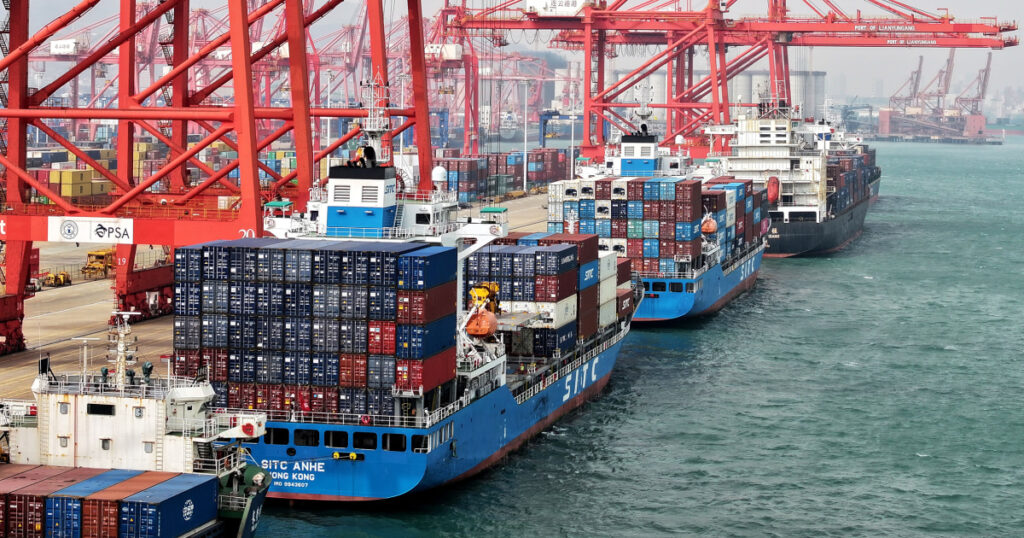
President Donald Trump announced a 90-day suspension of tariffs on over 75 trading partners, leading to a significant surge in the stock market, with the Dow Jones Industrial Average and S&P 500 experiencing substantial gains. This decision, communicated via Truth Social, reflects a strategic shift in the administration's trade policy, aiming to foster dialogue and resolve ongoing trade disputes, although China remains excluded with increased tariffs. The market's positive response indicates investor optimism about potential resolutions, with attention now on the outcomes of these discussions and their impact on international trade dynamics.
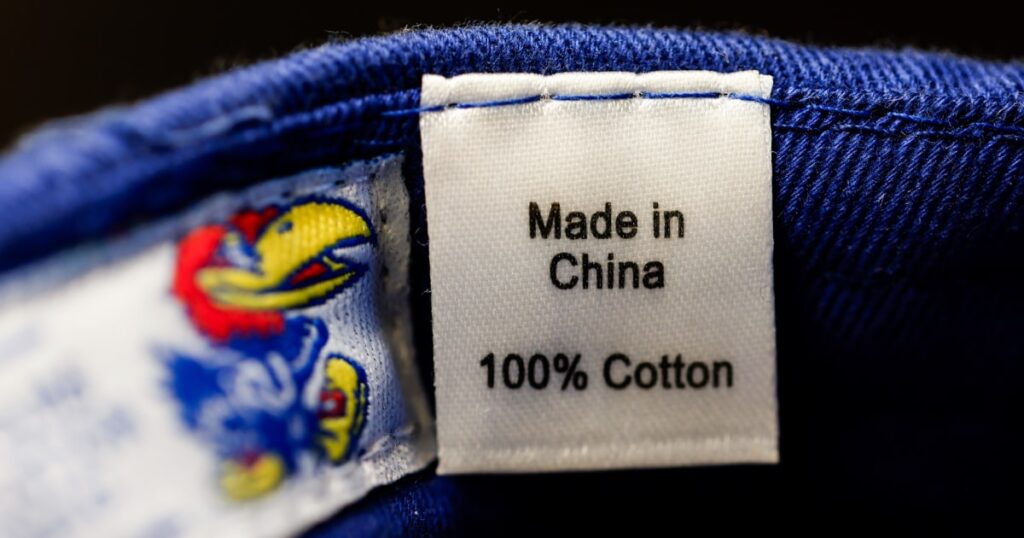
China has retaliated against the United States by increasing tariffs on U.S. goods to 84% following President Donald Trump's imposition of a 104% tariff on Chinese imports, escalating trade tensions between the two nations. While China is committed to a firm stance in the trade conflict, the European Union is opting for a more measured approach, criticizing the U.S. tariffs as "unjustified and damaging" but still deliberating on a collective response. These differing strategies highlight the varied international reactions to U.S. trade policies, with the global community closely watching the potential impacts on trade dynamics and economic stability.