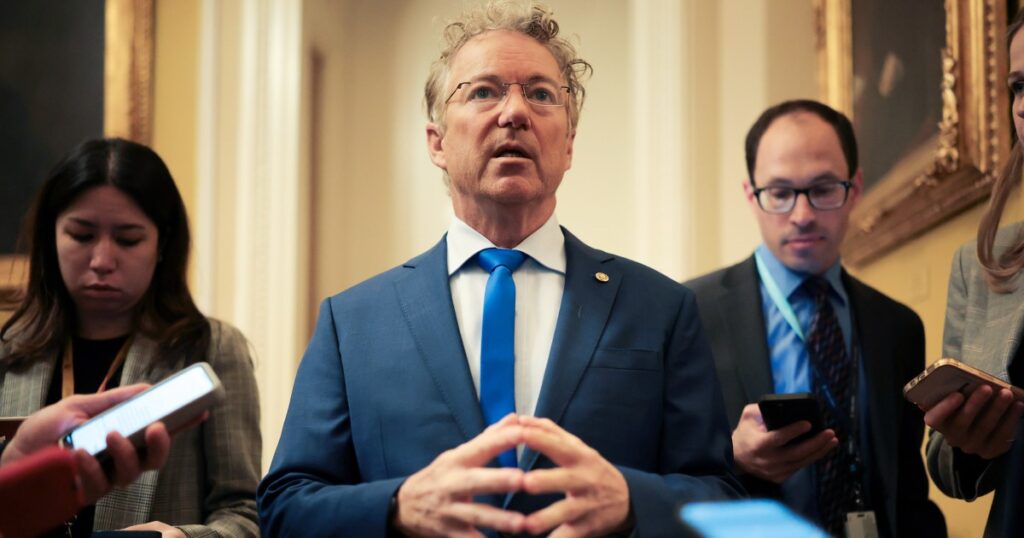
The United States Senate is set to vote on a resolution to block President Trump's "Liberation Day" tariffs, which were imposed under a national emergency declaration. Spearheaded by Senators Ron Wyden and Rand Paul, the bipartisan effort seeks to nullify the tariffs due to concerns about their economic impact, though it faces an uncertain future in the Republican-controlled House of Representatives. The vote highlights the ongoing tension between the executive and legislative branches over trade policy, with significant implications for international trade and the domestic economy.
Posts published in “Financial”

The U.S. Commerce Department reported a 0.3% contraction in the nation's GDP for the first quarter of 2025, a shift from the 2.4% growth in the previous quarter, primarily due to increased imports and slowing in other economic sectors. This news led to a significant drop in the stock market, with the S&P 500, Dow Jones Industrial Average, and Nasdaq Composite all experiencing declines, reflecting investor concerns. Additionally, persistent inflation and rising government bond yields present further challenges for policymakers as they address the complexities of the current economic landscape.
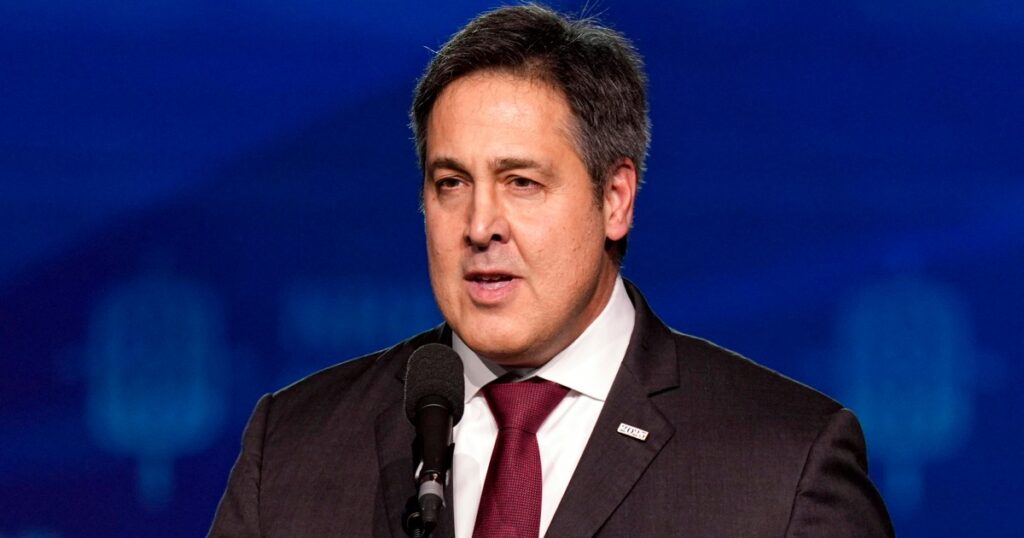
In the first 100 days of President Donald Trump's second term, federal spending has increased by approximately $220 billion compared to the same period in 2024, despite promises to reduce expenditures. This rise in spending, highlighted by CBS News through Treasury Department reports, surpasses levels seen in most of the past decade, with the exception of 2021's COVID-19 response. Analysts and policymakers are focused on this spending increase, which contrasts with the administration's fiscal conservatism goals and raises questions about the long-term implications for the federal budget and economic landscape.

The White House criticized Amazon's reported plan to display tariff charges on imported goods on its discount platform, Amazon Haul, calling it a "hostile and political act." Amazon clarified that while the idea was discussed, it has not been implemented, and there are no immediate plans to do so. Despite the potential transparency benefits for consumers, the proposal drew significant attention, prompting a conversation between President Donald Trump and Amazon founder Jeff Bezos, although no official changes have been made to the platform.
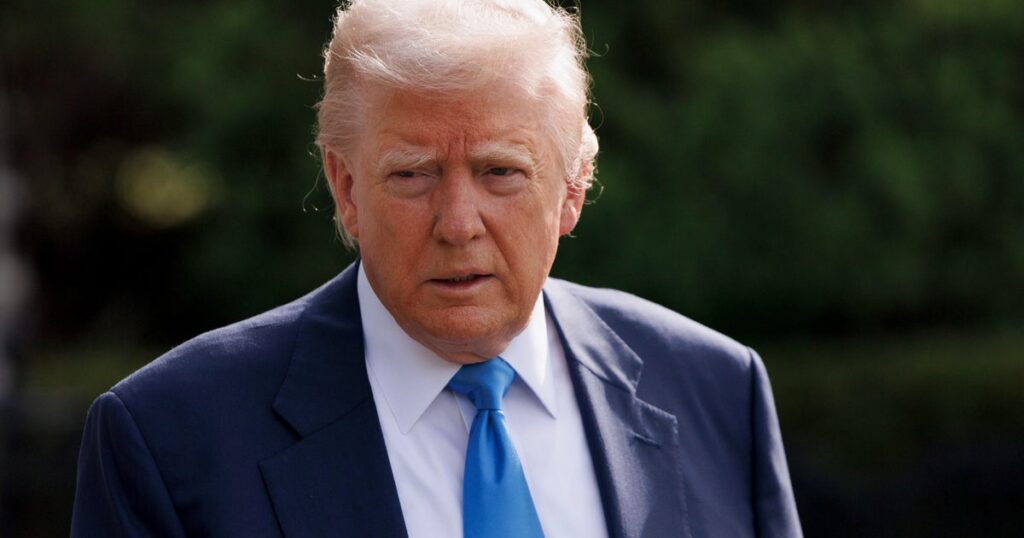
The Trump administration has announced plans to adjust tariff policies to alleviate financial burdens on U.S. automakers, aiming to support domestic manufacturing while maintaining trade policy objectives. Automakers manufacturing domestically will benefit from tariff relief, including reimbursement for tariffs paid on foreign-made auto parts. Despite these adjustments, uncertainty remains for some manufacturers, such as General Motors, which is reassessing its earnings projections due to the ongoing impact of tariffs.
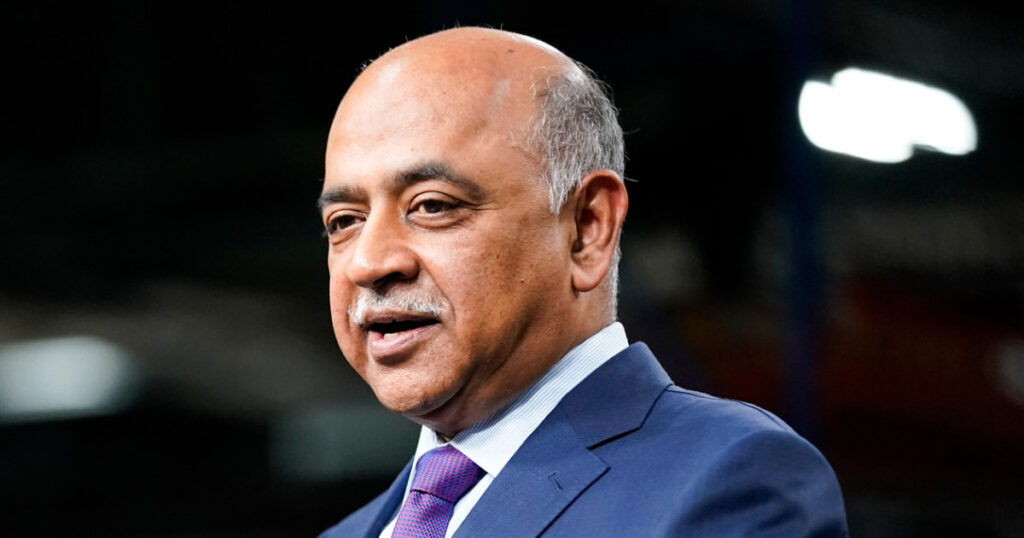
IBM has announced a $150 billion investment plan over the next five years to strengthen its operations in the United States, with a focus on research and development for mainframe and quantum computers. This initiative aligns with recent U.S. government policies aimed at boosting domestic manufacturing, such as President Trump's "reciprocal" tariff policy. IBM CEO Arvind Krishna emphasized the investment's role in maintaining the company's leadership in advanced computing technologies and its longstanding commitment to American jobs and manufacturing.
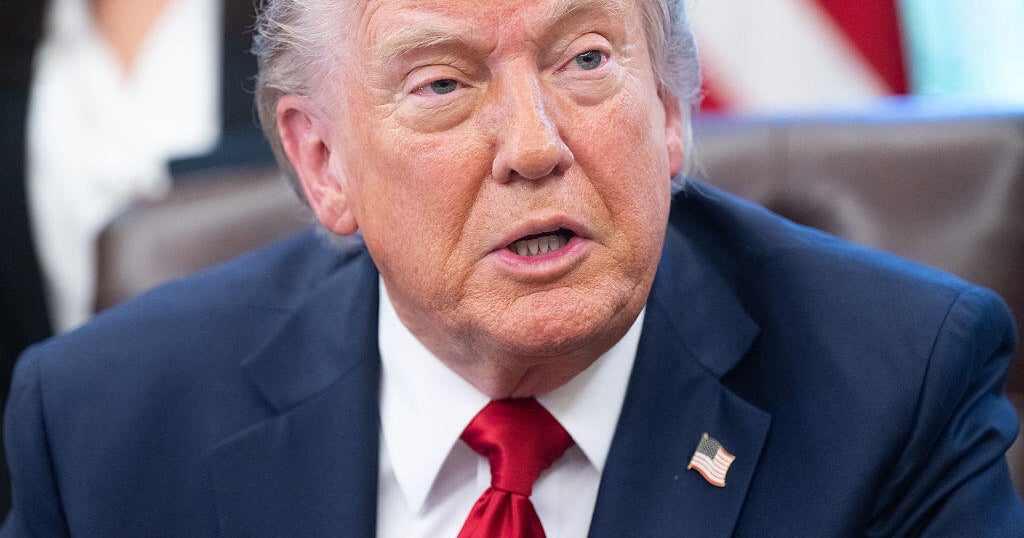
Twelve states have filed a lawsuit against President Donald Trump's tariff policy, arguing it disrupts the constitutional balance of power by undermining Congress' authority to regulate foreign commerce. Spearheaded by Arizona and Oregon's Attorneys General, the lawsuit seeks to halt the enforcement of tariffs imposed under a wartime law, claiming the application of this law is unlawful and has led to economic instability. The case highlights ongoing debates about presidential powers in trade matters and could significantly impact the balance of power between the executive branch and Congress.
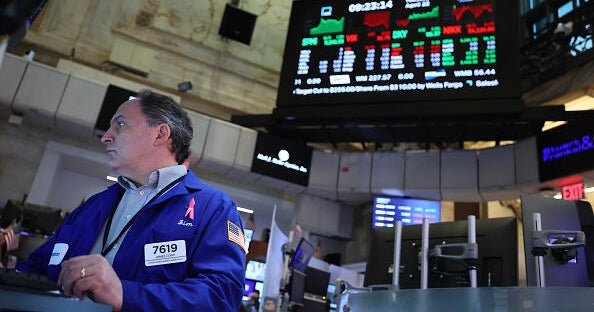
Businesses are facing challenges due to tariffs imposed by President Trump, as they receive notifications of rising costs from suppliers and grapple with the uncertainty of passing these costs onto consumers. Meanwhile, financial markets experienced a significant boost following President Trump's comments on potentially reducing tariffs on China and his assurance of Federal Reserve Chair Jerome Powell's position, which alleviated investor concerns. Major stock indices, including the S&P 500, Nasdaq Composite, and Dow Jones Industrial Average, saw substantial gains, reflecting optimism about easing trade tensions and stable economic leadership.