The global economy is facing significant disruptions due to new tariffs imposed by the Trump administration, including a 10% baseline on all imported goods into the U.S., which has particularly affected industries like footwear that rely heavily on international manufacturing. Tensions between the U.S. and China have escalated following controversial remarks by U.S. Vice President JD Vance, leading to criticism from China's foreign ministry and complicating trade relations. Despite a market downturn and criticism from various sectors, President Trump remains committed to his trade policies, introducing additional duties that have further strained international trade and impacted businesses like SIA Collective, a luxury sneaker company reliant on Chinese manufacturing.
Posts published in “Financial”
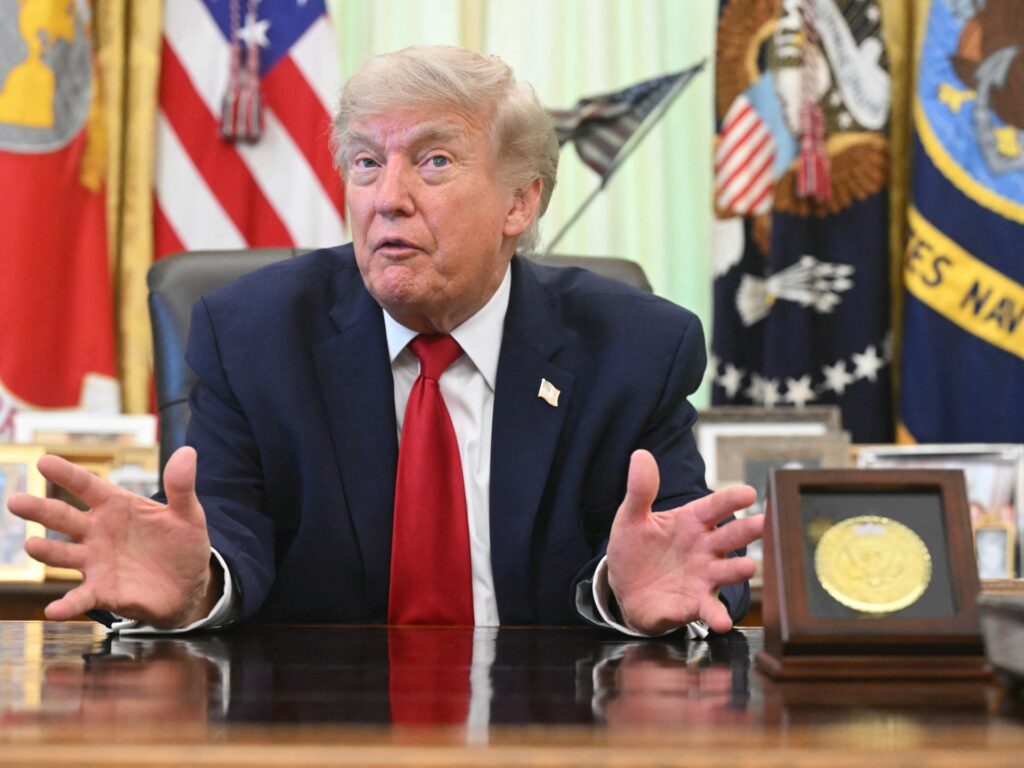
President Donald Trump's firm stance on tariffs has led to global uncertainty and market declines, further exacerbated by false headlines about potential tariff pauses. A narrow Supreme Court ruling allowed the Trump administration to proceed with deportations under the Alien Enemies Act, focusing on procedural issues and impacting immigration policies. Amid these developments, Trump threatened to increase tariffs on China, escalating trade tensions and highlighting ongoing challenges in U.S.-China relations.
In pre-market trading on Tuesday, U.S. stock indices showed gains of 1% to 2%, reflecting similar positive movements in European and Asian markets despite ongoing U.S.-China trade tensions. The market's cautious optimism follows a volatile Monday session marked by sharp fluctuations due to uncertainty over potential tariffs and trade policies. Economists warn of the risk of a U.S. recession, advising caution as the trade disputes continue to unsettle global markets.
In pre-market trading on Tuesday, major U.S. stock indexes, including the S&P 500, Nasdaq, and Dow Jones Industrial Average, showed gains of between 1% and 2%, reflecting cautious optimism despite recent volatility. The ongoing trade conflict between the U.S. and China, exacerbated by President Trump's announcement of potential additional tariffs, continues to create uncertainty in global markets. Despite these tensions, global stocks, including the Nikkei 225 index in Tokyo, managed to recover some losses, indicating a modest rebound and signs of stabilization in financial markets.
President Trump's announcement of new tariffs, including a 10% tax on all U.S. imports and additional tariffs on imports from 90 countries, has raised concerns about a potential global trade war and caused stock market volatility. The administration is defending the tariffs while seeking to mitigate their economic impact through negotiations with trading partners and engaging with concerned business groups. Despite fears of increased consumer costs and a potential recession, the administration remains committed to the tariff plan and is working to reassure the business community with pro-growth policies.
President Donald Trump announced that he will proceed with implementing new tariffs on Wednesday, despite concerns about their impact on the stock market and global economy, emphasizing that countries can adjust trade relations with the U.S. through fair trade deals or by paying tariffs. During a meeting with Israeli Prime Minister Benjamin Netanyahu, Trump also mentioned ongoing talks with Iran, warning of "great danger" if discussions do not go well, and addressed the topic of tariffs on Israel and other countries. Netanyahu indicated that Israel plans to address its trade relationship with the U.S., as part of a broader dialogue involving multiple nations adjusting to the Trump administration's trade policy changes.
Global financial markets are experiencing significant turbulence due to investor concerns over the economic impact of tariffs imposed by the Trump administration, with U.S. stock futures and international markets showing substantial declines. The imposition of tariffs has introduced a new dynamic in international trade relations, affecting both allies and adversaries, and raising concerns about the potential unraveling of globalization. As markets and governments worldwide monitor the situation, the tariffs have the potential to significantly alter the global economy and impact the financial well-being of billions.