Press "Enter" to skip to content

Posts published in “Financial”

Trump Administration Launches Trade Investigations into Over a Dozen Countries Amid Potential New Tariffs

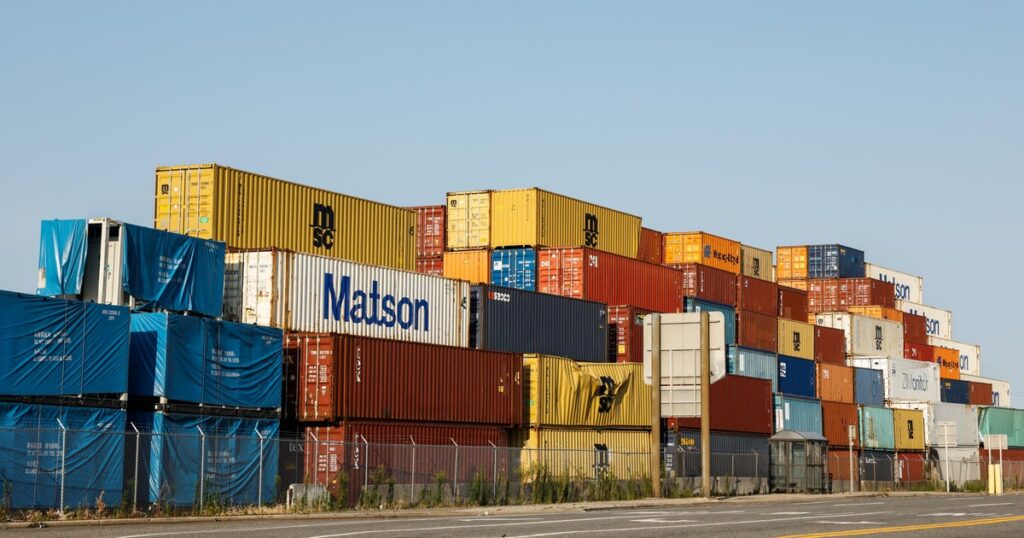
The Trump administration has launched multiple trade investigations into over a dozen countries, including the EU, China, and Mexico, focusing on "structural excess capacity" in manufacturing that may harm U.S. wages and market access. These probes, conducted under Section 301 of the Trade Act, aim to determine whether new tariffs should be imposed before the current global 10% tariff expires in July, with potential increases to 15% also under consideration. Additionally, separate investigations will target forced labor compliance in about 60 countries, raising concerns among U.S. trading partners and threatening recent trade agreements.

US Inflation Steady at 2.4% in February as Iran Conflict Sparks Surge in Energy Prices and Economic Uncertainty

Inflation in the United States remained steady in February, with the Consumer Price Index rising 2.4% annually, slightly below expectations, before the recent surge in oil prices caused by the Iran conflict. The war has sharply increased gasoline prices and disrupted global oil supply via the Strait of Hormuz, raising concerns that energy cost spikes could reverse progress in controlling inflation. As the Federal Reserve prepares for its March interest rate decision, economic uncertainties—including weakening job growth and inflation risks—have led analysts to anticipate a cautious approach amid heightened uncertainty.

US Government Launches $20 Billion Insurance Program to Protect Shipping in Persian Gulf Amid Rising Tensions

The U.S. government, through the International Development Finance Corporation (DFC), has launched a new initiative to provide political risk insurance for ships navigating the Persian Gulf amid escalating attacks and rising insurance premiums. This program, in partnership with insurer Chubb, aims to ensure the continued flow of energy supplies through the Strait of Hormuz by covering losses up to $20 billion, addressing the withdrawal of private war risk coverage. The move responds to recent vessel attacks that have drastically reduced maritime traffic and driven up global oil prices, though it raises concerns about potential financial risks for American taxpayers and the scope of coverage for non-U.S. ships.

IEA Announces Historic Release of 400 Million Barrels from Emergency Reserves to Ease Oil Supply Crisis Amid Strait of Hormuz Tensions

The International Energy Agency (IEA) announced a historic release of 400 million barrels of oil from emergency reserves to counter soaring energy prices caused by the closure of the Strait of Hormuz amid tensions with Iran. This unprecedented collective action by 32 member countries aims to mitigate significant supply disruptions, though analysts warn it may only provide limited short-term relief given the scale of the deficit and logistical delays. The situation remains volatile, with sustained price stability dependent on reopening the crucial maritime route and securing long-term energy supply solutions.

Rising U.S. Gas Prices Prompt Consideration of Strategic Petroleum Reserve Release Amid Strait of Hormuz Supply Disruptions

Rising gas prices in the U.S., driven by disruptions in oil shipments through the Strait of Hormuz amid the Iran conflict, have prompted discussions about releasing oil from the Strategic Petroleum Reserve (SPR) to stabilize the market. Although the SPR holds significant reserves, experts warn its impact may be limited due to the time required to release oil and the scale of supply disruptions, while G7 finance ministers have yet to agree on coordinated action. Meanwhile, oil prices remain volatile amid mixed signals about U.S. naval escorts in the region, and officials are exploring various policy options, though a lasting solution depends on reopening the Strait of Hormuz.

Oil Prices Surge Amid Middle East Conflict as Russia Gains from Energy Market Disruptions

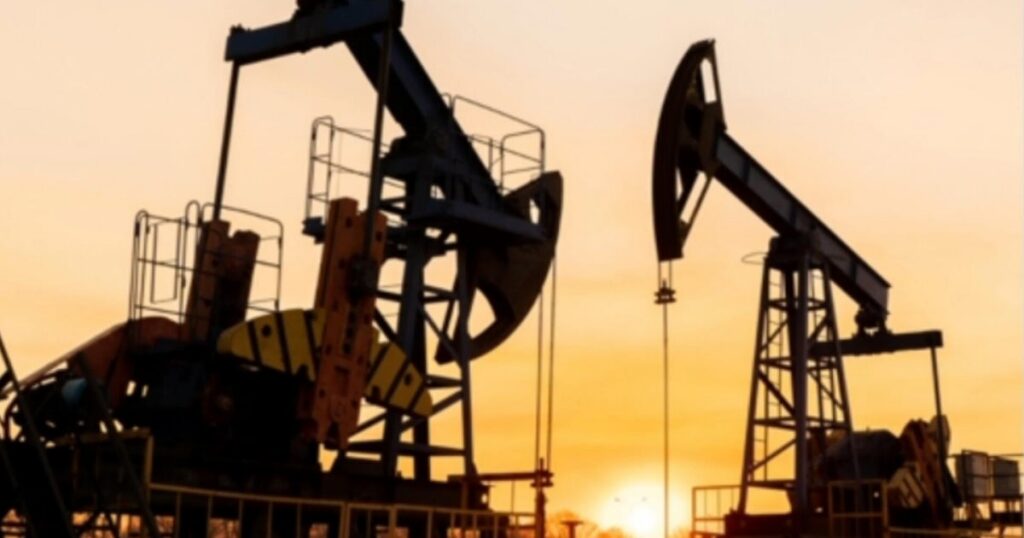
Oil prices have surged due to the escalating Middle East conflict, which has disrupted shipping through the strategic Strait of Hormuz and drawn significant military attention from the U.S. and its allies. Russia has emerged as a key beneficiary of rising energy prices, potentially increasing its oil revenues and military spending amid the ongoing Ukraine war. Meanwhile, the conflict intensifies with attacks on Gulf countries, heightened regional military deployments, and diplomatic efforts to support affected nations and maintain global energy security.

U.S. Gasoline Prices Surge Amid Iran Conflict as Crude Oil Tops $100 per Barrel, Fueling Market Volatility and Global Economic Concerns

U.S. gasoline prices surged sharply amid escalating tensions involving Iran, with the national average reaching $3.48 per gallon and crude oil briefly surpassing $100 per barrel due to disruptions in the Strait of Hormuz. Analysts warn that fuel costs may remain high through the summer because of ongoing supply uncertainties and increased demand, despite some recent price volatility. International markets reacted with significant fluctuations, and major industrialized nations are considering coordinated measures to stabilize energy supplies amid concerns over further production cuts and transit challenges.

U.S. Shifts Iran War Objectives Amid Oil Price Volatility and Market Uncertainty

U.S. officials have signaled a shift in their conflict objectives with Iran, focusing on dismantling missile capabilities and nuclear programs rather than regime change, while maintaining a hardline stance. This recalibration comes amid rising oil price volatility driven by disruptions in the Strait of Hormuz, which has heightened concerns over an energy crisis and domestic inflationary pressures. Financial markets have shown mixed reactions, with stock indices rebounding after initial drops and oil prices fluctuating, as geopolitical tensions and economic uncertainties persist.

We've updated the design to something a little more modern.  Got an opinion?  Let us know!