Key takeaways:
- Judges said a bribery conviction in Case 4000 appeared unlikely and urged prosecutors to reconsider it.
- The court questioned whether the conduct alleged in Case 2000 was criminal and suggested resolving Case 1000 through an agreement.
- Netanyahu demanded an immediate end to the trial as rival Gadi Eisenkot tries to form a government after an inconclusive election.
Israeli judges have urged prosecutors to reconsider the most serious charges against caretaker Prime Minister Benjamin Netanyahu, saying a bribery conviction appears unlikely in one of three corruption cases against him. Netanyahu responded Wednesday by demanding that his long-running trial end immediately.
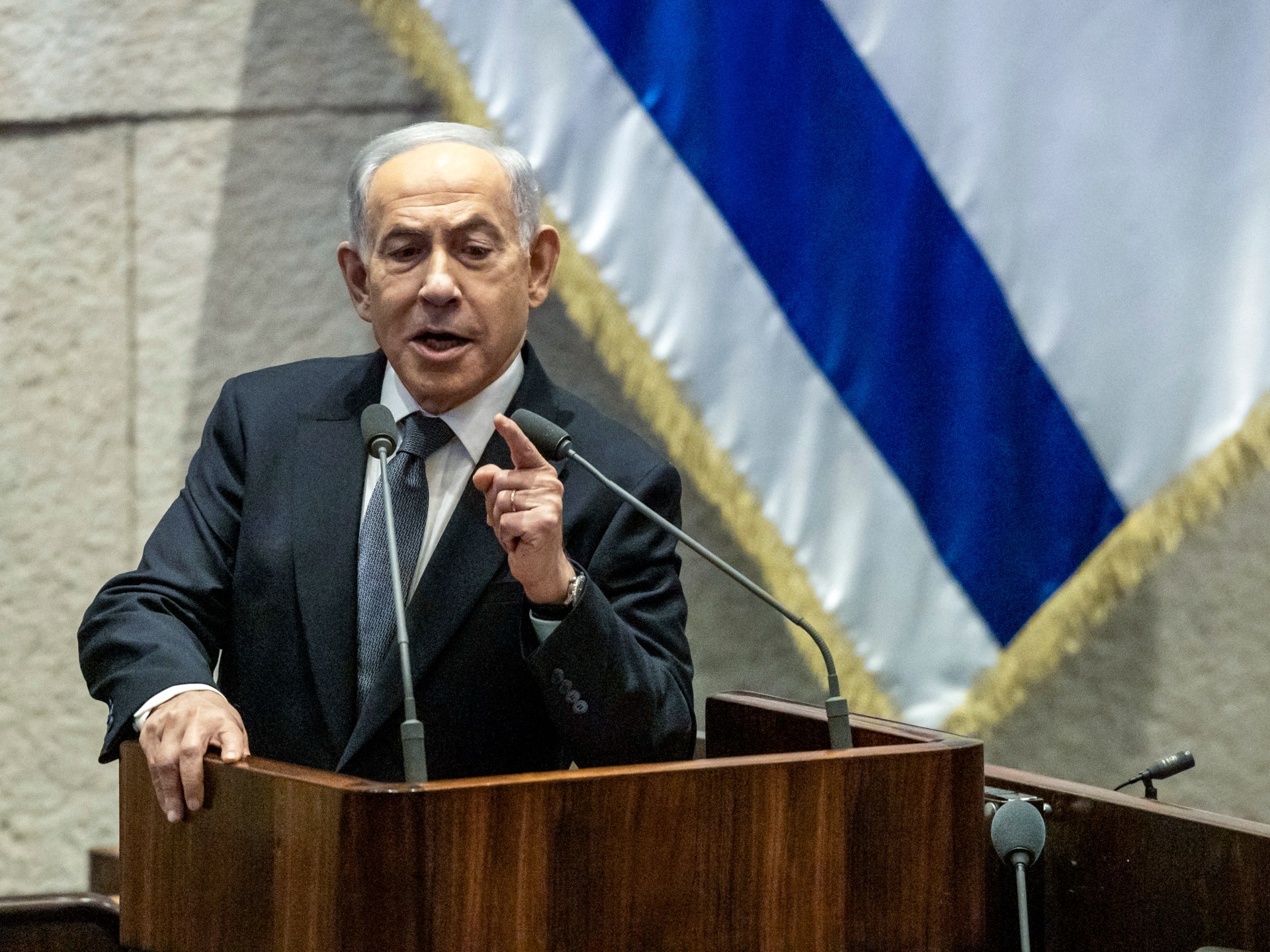
“The trial must end immediately,” he said in a televised statement at Israel’s parliament. Calling the cases “fabricated,” he said: “Ten years of terrible suffering for me, my family. Ten years of incitement to hatred that wounds the soul. Who will give those years back to us?”
The judges raised their concerns during a Jerusalem hearing attended by Attorney General Gali Baharav-Miara, whom they had summoned in an unusual step. She said she would consider their recommendations. According to Al Jazeera, she also said she was prepared for either a verdict or a plea deal.
The court’s sharpest doubts concerned Case 4000, in which Netanyahu is accused of bribery, fraud and breach of trust. Prosecutors allege that he offered regulatory benefits to telecommunications company Bezeq in return for favourable coverage on the Walla news site, controlled by Bezeq’s shareholder Shaul Elovitch. Both men deny wrongdoing.
“The chances of conviction are low — to an extent that warrants reconsidering the matter,” Judge Rivka Friedman-Feldman told the attorney general, according to Israeli media cited by the BBC. Al Jazeera reported that she described “considerable difficulties” in proving the bribery charge.
In Case 2000, judges questioned whether Netanyahu’s alleged conduct amounted to a crime. That case concerns an alleged arrangement for favourable coverage in the newspaper Yediot Aharonot in exchange for curbs on its rival, Israel Hayom. In Case 1000, which involves allegations that Netanyahu accepted luxury gifts in return for favours, the judges left open the possibility of a conviction but suggested an agreement to resolve the case. The BBC said the gifts included cigars and champagne from an Australian billionaire.
Netanyahu has consistently denied wrongdoing and portrayed the prosecution as politically motivated. His trial opened in May 2020, after he was first charged in 2019, and has continued while he remained in power. Hearings were reduced during the Gaza war because of security concerns, the BBC reported.
The recommendations arrive as Netanyahu fights to stay in office following an inconclusive October 27 election. His parliamentary bloc won more seats than that of his rival Gadi Eisenkot, but neither secured a majority. President Isaac Herzog gave Eisenkot the first chance to form a government.
Eisenkot’s party has reached a coalition agreement with Israel Our Home, but the left-wing Democrats suspended talks, according to Al Jazeera. Eisenkot has until December 6 to form a government under a 28-day mandate and could seek a 14-day extension. If he fails, Netanyahu would have an opportunity to try.
Netanyahu’s allies welcomed the judges’ intervention. Defence Minister Israel Katz called for an end to a trial he said was “flawed from the outset.” For now, the attorney general has not announced whether prosecutors will change course.











Be First to Comment