Key takeaways:
- Jurors convicted Huawei on 10 of 12 counts and acquitted it of racketeering conspiracy and conspiracy to obstruct justice.
- Prosecutors accused Huawei of stealing rivals’ technology and misleading banks about its dealings in Iran.
- Huawei rejected the allegations, welcomed the racketeering acquittal and said it would consider legal action.
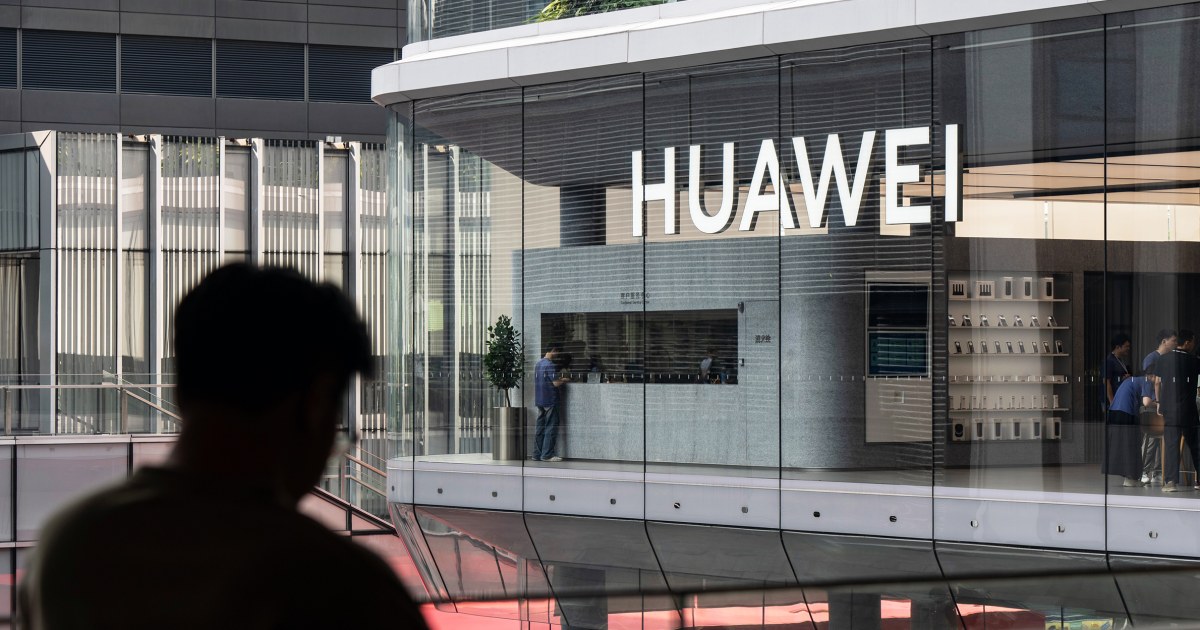
A federal jury in Brooklyn has convicted Huawei of conspiring to steal trade secrets and committing bank fraud, while acquitting the Chinese technology company of a racketeering conspiracy charge. The verdict followed a two-month trial over allegations that Huawei stole technology from US companies and misled banks about its business in Iran.
Jurors found Huawei guilty on 10 of 12 counts, the BBC reported. The convictions included bank fraud and wire fraud, as well as conspiracy counts involving those offenses, money laundering, defrauding the United States and stealing trade secrets. The BBC reported that the jury also convicted Huawei of conspiracy to violate US sanctions. Huawei was acquitted of racketeering conspiracy and conspiracy to obstruct justice.
The racketeering charge asked jurors to decide whether Huawei acted as a criminal enterprise. Its acquittal was a central part of the company’s response to the verdict. Huawei said the racketeering decision “confirms that these allegations lack factual basis and vindicates our consistent position over the past eight years.” In a separate statement reported by NBC News, the company called the charges “without legal or factual merit” and said it welcomed the racketeering verdict.
Prosecutors portrayed Huawei’s expansion as the product of years of deception and theft. In closing arguments, assistant US attorney Meredith Arfa told jurors the company had spent 20 years doing whatever it took to grow, including lying to banks about its dealings in Iran and stealing technology secrets from rival firms to gain a competitive edge. NBC News reported that prosecutors also accused Huawei of abusing the US financial system and helping Iran spy on its citizens.
Huawei’s lawyers rejected the prosecution’s account. Defence attorney Brian Heberlig argued that prosecutors had first decided the company was a criminal organisation and then built a case to fit that view. He said Huawei’s growth came from its own innovation and hard work, pointing to its operations in 170 countries and workforce of more than 200,000 people.
Federal prosecutors first announced charges against Huawei in 2019, the BBC reported, after senior executive Meng Wanzhou was arrested in Canada in late 2018. Meng, also known as Cathy Meng, was held in Canada for three years before a deal with US prosecutors allowed her to return to China.
After the verdict, Huawei said the five trade secret-related charges concerned civil matters that had been resolved over the past two decades. “No court ever found Huawei liable for willful intellectual property misappropriation, and the company was never ordered to pay damages for trade secret misappropriation,” it said.
“We will thoroughly review the relevant verdicts and take all necessary legal actions to defend our rights and interests,” Huawei said.








Be First to Comment