Key takeaways:
- Democrats won the US House and Senate; Netanyahu’s coalition won 53 of the 61 seats needed to govern Israel.
- Trump said US funding of roughly $4bn a year for Israel would end after 2026, but did not announce an end to arms sales.
- The Guardian reported that Abdul El-Sayed became the first Muslim elected to the US Senate despite more than $40m in Aipac spending against him.
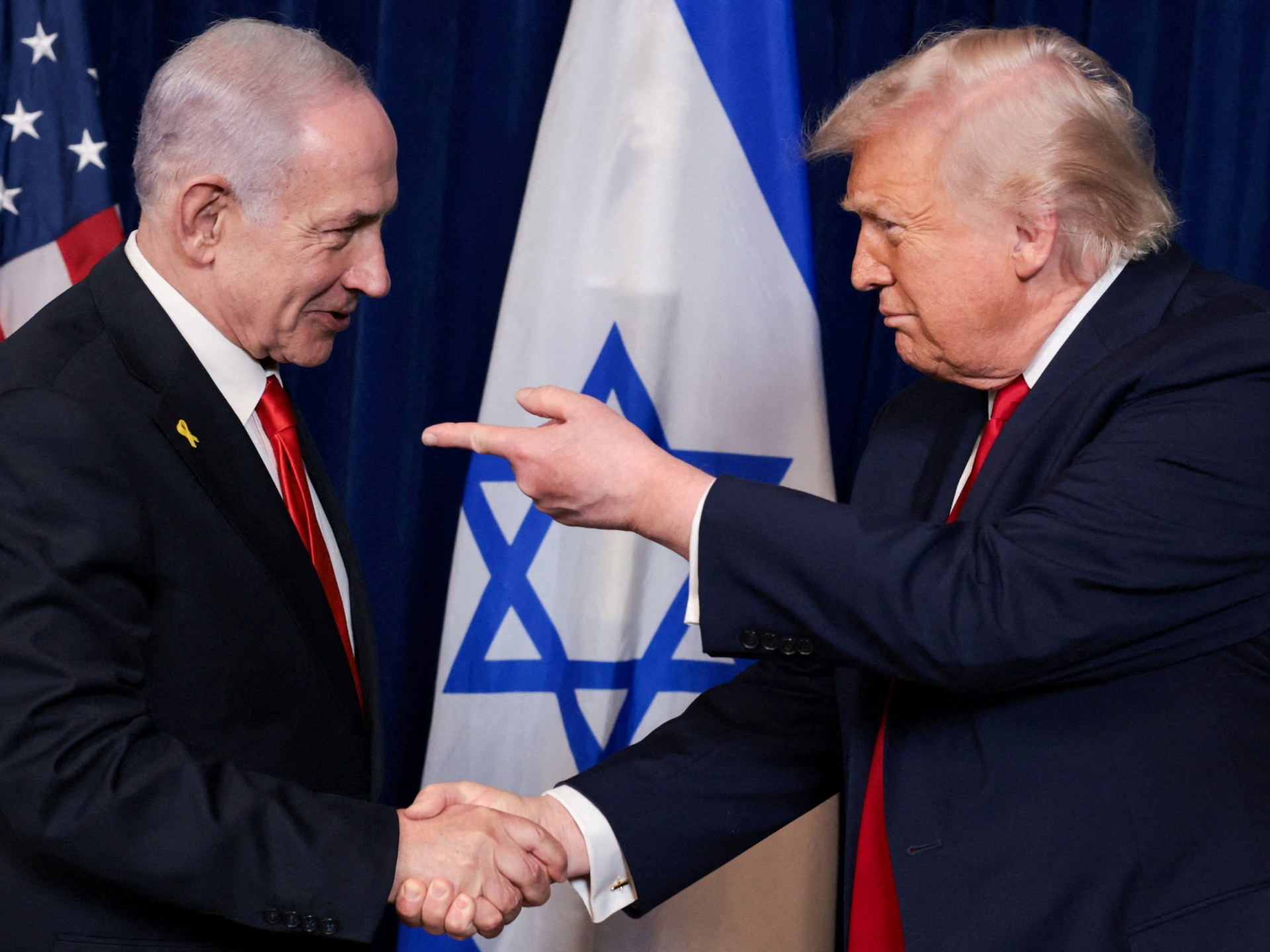
Republicans have lost control of both chambers of Congress, while Israeli Prime Minister Benjamin Netanyahu’s coalition has fallen short of a governing majority, putting the two leaders’ close alliance under scrutiny after elections on both sides of the Atlantic.
Democrats won the US House and Senate in Tuesday’s midterms, making gains in traditionally Republican territory including Texas and Kansas, Al Jazeera reported. In Israel’s October 27 parliamentary election, Netanyahu’s right-wing coalition won 53 seats, eight short of the 61 needed to form a government.
The results followed a joint US-Israeli military campaign against Iran that began in late February and prompted Iranian retaliation. Both Donald Trump and Netanyahu had urged voters to support their respective allies before the elections. Trump has since acknowledged the Democratic victory and conceded that the Iran war played a part because of its effect on energy prices, according to Al Jazeera.
“The old bipartisan consensus on Israel is over,” Beth Miller, political director of Jewish Voice for Peace Action, told The Guardian. She said a new Congress could pursue measures ranging from an arms embargo to sanctions against violent Israeli settlers and officials, though Trump would retain the power to veto legislation.
As voting continued Tuesday, Trump said he had agreed with Netanyahu to end US funding of “$4bn a year” for Israel after 2026. The Guardian reported that Trump said Israel did not need the aid and proposed replacing it with arms sales. Al Jazeera put current annual US military assistance at at least $3.8bn. Neither account described a plan to end Israel’s access to US weapons.
The Guardian reported that pro-Palestinian advocates dismissed Trump’s announcement as “desperate,” while pro-Israel advocates called it “unserious.” Former Israeli diplomat Alon Pinkas told Al Jazeera that the distinction between funding and weapons mattered: “The money, Israel could probably live without; the weaponry, it depends upon.”
Candidates who openly supported Palestinians won races across the US, according to The Guardian. In Michigan, Abdul El-Sayed became the first Muslim elected to the Senate after a campaign in which Aipac spent more than $40m trying to defeat him, the newspaper reported. The Guardian also said exit polls showed El-Sayed won a majority of Jewish voters in the state, while polling by the advocacy group J Street found that 72% of Jewish voters nationwide backed Democrats.
“If you believe in equal rights to peace, dignity, and self determination, that’s not hate, it’s love,” El-Sayed said in his acceptance speech.
In Israel, Netanyahu has questioned his election result and threatened not to recognize its certification, Al Jazeera reported. Opposition figure Yair Lapid criticized the prime minister’s conduct after the vote, including his call for Israel’s internal security service to investigate leaders of Arab parties.
Analysts cautioned against treating either election as a vote on a single issue. “It’s certainly broader than one issue,” University of Maryland scholar Shibley Telhami told Al Jazeera. “But foreign policy was central, especially the Iran war and US backing of Israel, as Americans tie these to pocketbook issues.”







Be First to Comment