Key takeaways:
- With 55% of votes counted, Netanyahu’s bloc stood at 56 seats and an opposition alliance including Eisenkot’s Yashar party at 49; a majority requires 61.
- Turnout reached 77.7%, the highest since 1999.
- Arab-led parties were projected to win 19 seats, up from their current 10, but potential coalition partners have resisted working with them.
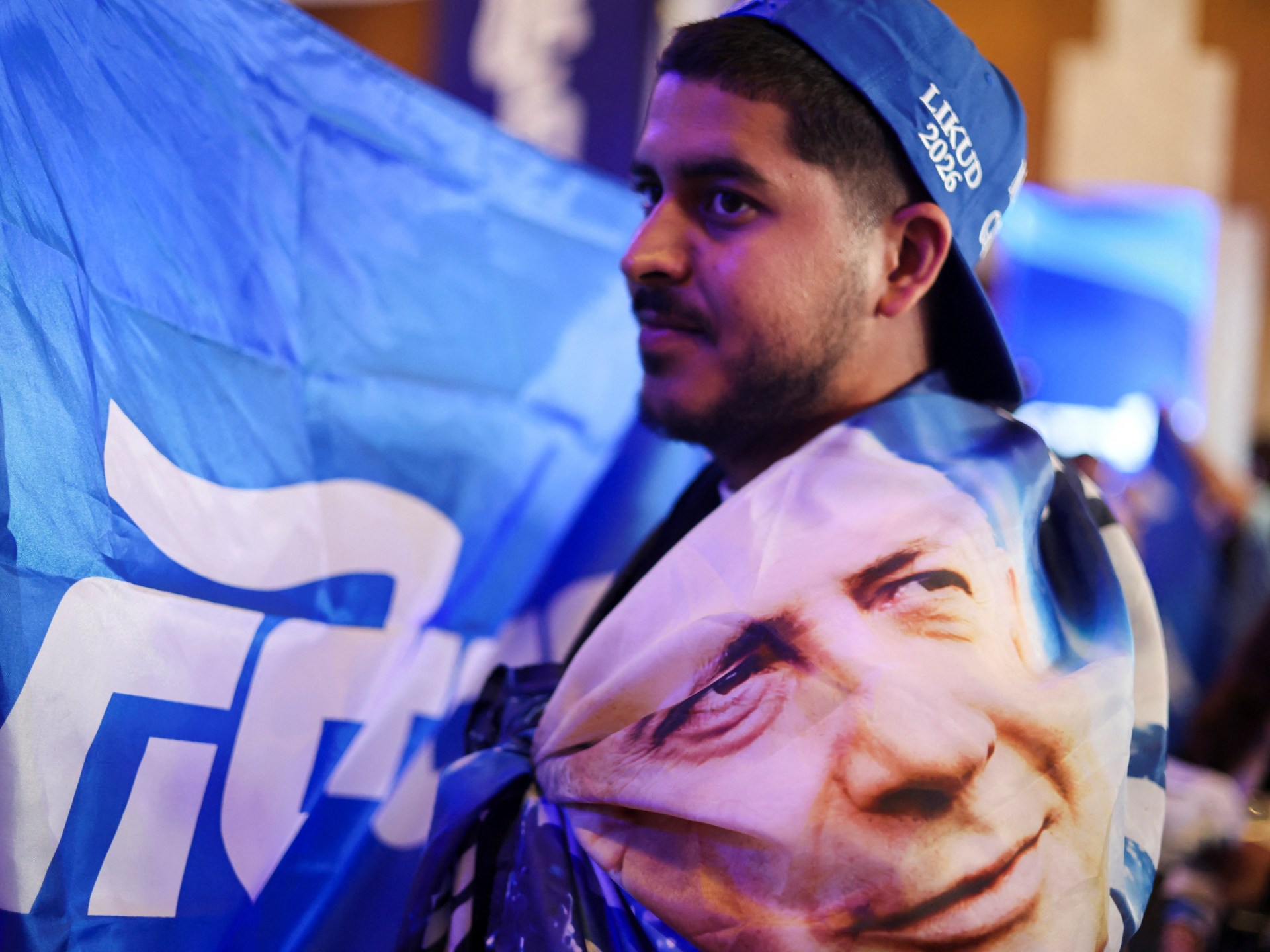
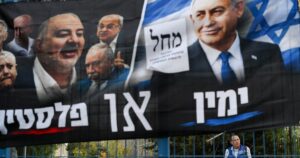
Prime Minister Benjamin Netanyahu’s bloc led Israel’s parliamentary election count on Wednesday but remained short of a governing majority, leaving parties representing the country’s Arab minority with a potentially decisive role in forming the next government.
With 55% of votes counted, Netanyahu’s bloc stood at 56 seats in the 120-seat Knesset, compared with 49 for an opposition alliance that includes Gadi Eisenkot’s Yashar party, according to partial results published by the Central Elections Committee. A government needs the support of at least 61 lawmakers.
The count could still shift. The BBC reported that early returns were weighted toward areas with strong right-wing support, while many absentee ballots, mostly cast by soldiers, had yet to be counted. The final tally is expected by Friday, according to Al Jazeera.
Exit polls had suggested a tighter race. Israel’s Channel 12 projected 52 seats for Netanyahu’s bloc and 49 for the opposition; an earlier Channel 13 projection put the two sides level at 51 seats each. Updated projections from the broadcasters gave Netanyahu’s Likud party an estimated 27 seats, making it the largest single party, against 21 for Eisenkot’s Yashar party. Exit polls are unofficial and can differ from the final count.
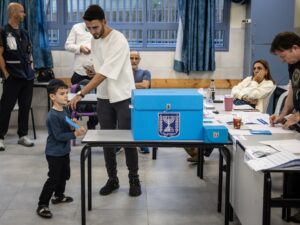
Turnout reached 77.7% of eligible voters, the highest since 1999, according to the Central Elections Committee. That was 7.1 percentage points above the 2022 election, which returned Netanyahu to office. More than 60,000 Israelis came home from abroad to vote, Al Jazeera reported.
The vote followed years of political division and the Hamas-led attacks of October 7, 2023, which triggered a series of wars. Netanyahu also faces a corruption trial on charges he denies, the BBC reported.
Both Netanyahu and Eisenkot told supporters they expected to form the next government. “We must form a strong, national, right-wing government. That is what must be done,” Netanyahu said. Eisenkot said voters had rejected Netanyahu’s continued leadership. “This will be a new start. A real new start on a new path,” he told Yashar supporters.
Arab-led parties were projected to win 19 seats collectively, up from their current 10, according to Al Jazeera. Their support could prove crucial if neither larger bloc reaches 61 seats. But an alliance faces political barriers: The BBC reported that most Jewish opposition parties had pledged during the campaign not to work with Arab-majority lists. Opposition politician Avigdor Lieberman said he would not join a minority government dependent on their support.
Mansour Abbas, leader of the Arab-led Ra’am party, said he hoped the final results would allow his party and the opposition to reach 61 seats. Ra’am was projected to win about seven seats, Al Jazeera reported.
Once results are final, President Isaac Herzog will consult party leaders and ask the candidate he considers most likely to assemble a coalition to try. That candidate will have up to 42 days. If no government emerges, Netanyahu’s cabinet will remain in a caretaker role; if no coalition can be formed, another election will be called. Official results are due to be published November 4.





Be First to Comment