Key takeaways:
- The US is lifting 50% tariffs on certain Canadian packaging, machinery and other products.
- The US is adding other Canadian goods, including certain carpets and valves, to the 50% tariff list.
- Sen. Susan Collins says the exemptions will help Maine’s blueberry, potato, apple and seaweed producers.
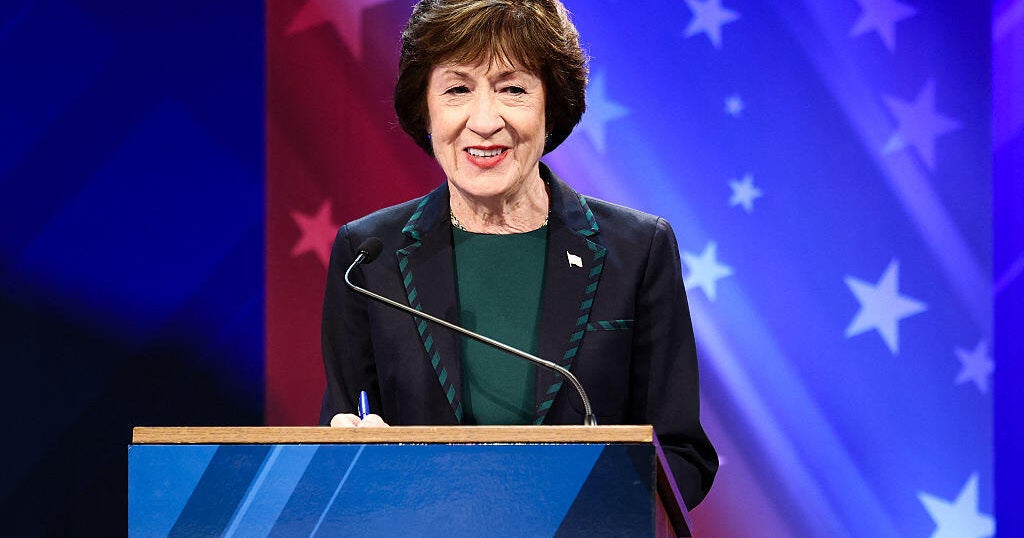
President Donald Trump has lifted 50% tariffs on some Canadian goods used by Maine farmers and growers while adding other products to the tariff list. Republican Sen. Susan Collins of Maine announced the exemptions before the White House did, saying they would help her state’s agricultural industry.
The White House said the exemptions cover certain packing crates and boxes, machinery and refrigeration equipment, as well as plywood sheets and some paper products. CBS News reported that corrugated boxes, plastic sacks and seaweed are among the goods no longer subject to the 50% duties.
Other Canadian products will face those duties instead. The White House identified certain valves, carpets and waste products among the additions. According to CBS News, the new categories also include shampoo, vinyl flooring, coffins and window-unit air conditioners.
Collins, who is seeking a sixth term in the November 3 election, said the exemptions would help Maine’s blueberry, potato, apple and seaweed producers. Wild blueberry growers rely on specialized harvesting boxes from Canada, she said, while apple and potato farmers also use Canadian products during the harvest.
“Many of our farmers and growers rely on specialized equipment, packaging materials, and other products from Canada that are either unavailable from American suppliers or cannot be replaced without incurring significant expense,” Collins said. She said she had asked senior Trump administration officials for tariff relief. The BBC reported that she had also asked officials to encourage a broader trade agreement with Canada.
The White House said it was working to “protect the economic prosperity and national security of the American people.” It described the tariff changes as part of Trump’s efforts to defend American workers, ensure fair trade and offset what it called Canada’s “discriminatory treatment” of US commerce.
According to CBS News, the products receiving exemptions had been among Canadian imports hit with 50% US duties in late August after envoys failed to reach a trade deal. Canada retaliated with steep tariffs on some US goods. Trump has argued that his tariffs are needed to address trade practices he considers unfair.
Trade tensions have become an issue in Collins’ reelection race against Democrat Troy Jackson. Collins has criticized the dispute and pointed to earlier exemptions for road salt and pulp, while emphasizing her efforts to secure relief for Maine. “Canada is not China. It is our neighbor, our friend, our closest ally and our biggest trading partner,” she said during a debate this month.
Jackson has argued that Collins has not done enough to get the tariffs lifted altogether. Responding to the earlier exemptions at an October debate, he asked: “What about everything else? I mean, we can’t eat road salt.”
Trump said Friday that Canada was “working very hard” on a trade deal with the US. Canadian Prime Minister Mark Carney said his country remained open to a mutually beneficial agreement but was prepared to wait. “We could sign it this afternoon if the US were there,” he said, according to CBC. Canada had not commented on the White House announcement, the BBC reported.












Be First to Comment