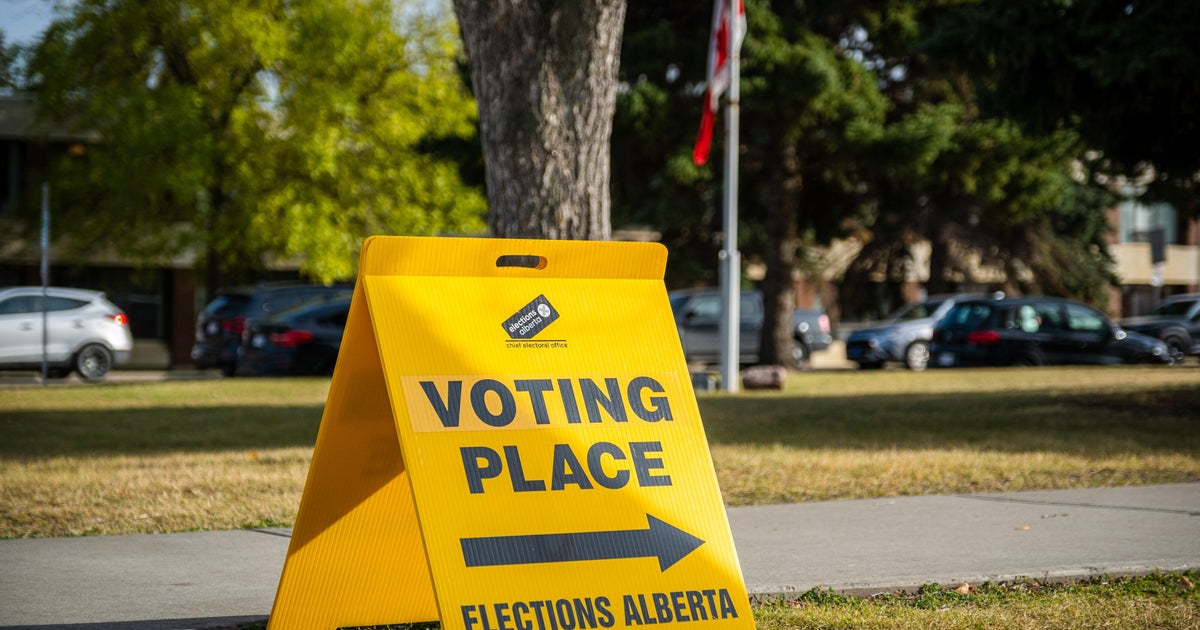
Key takeaways:
- About 76% voted to remain in Canada, while about 23% backed starting a separation process, with more than 1 million votes counted.
- More than 1.35 million Albertans, or 43% of eligible voters, cast advance or special ballots.
- Premier Danielle Smith called the referendum under pressure from separatists in her party, although she opposes independence, NPR reported.
Alberta voters have rejected a proposal to begin a process that could lead to independence from Canada, with about 76% backing the province’s place in the country after more than 1 million votes were counted early Tuesday. About 23% supported starting the separation process.
The ballot was not a vote on independence itself. A win for the proposal would have begun a legal process that could have led to a second vote on separation. Instead, the result gave Prime Minister Mark Carney and supporters of Canadian unity a victory amid U.S. President Donald Trump’s trade war and threats to make Canada the 51st U.S. state.
“We are a solid country that’s united from coast to coast to coast,” Thomas Lukaszuk, a former Alberta deputy premier who led the Forever Canadian campaign against separation, told supporters.
The count was delayed after late openings led more than 100 polling stations to extend voting hours Monday. More than 1.35 million Albertans, or 43% of eligible voters, cast advance or special ballots.
Alberta has the world’s fourth-largest proven oil reserves. A conservative stronghold, it has a political culture with longstanding ties to the American West. Resentment toward Canada’s federal government in Ottawa runs deep, though it has not traditionally produced widespread support for independence.
Some voters said that resentment drove their support for separation. “Alberta has essentially been treated as, you know, a colony,” Dustin Degenhardt said after voting in Wainwright on Monday. “They want to take and take and take from us and not return anything.”
Another Wainwright voter, Taylor MacIsaac, said: “I think it’ll be good for Alberta to separate personally, as a very conservative individual that grew up in rural Alberta.”
Others questioned why the province was holding the vote. Dave Malka, 59, of Edmonton, criticized spending money on a “referendum on a referendum” rather than health care. With Trump threatening Canada, he told NPR, “It seems to be happening at the absolute worst time when we should be united; instead we’re fighting among ourselves.”
Jake Graham, 35, of Calgary, told NPR at a Carney rally that he hoped for a decisive result. “I hope this squashes this for a long time to come and that it’s clear and decisive, that these grumblings disappear for a while and we can be a united Canada,” he said.
Carney had urged Albertans to deliver such a vote at a rally Friday in Edmonton, where he grew up. “Vote like Canada’s future depends on it because it does,” he said.
According to NPR, Alberta Premier Danielle Smith called the referendum under pressure from separatists in her governing United Conservative Party, although she opposes independence. She cited a poll showing 22% support for separation, a level she said was still too high.
Former Premier Jason Kenney said separatist parties traditionally won only 1% or 2% of the vote and that anger over COVID-19 restrictions helped mobilize activists who later embraced separation, NPR reported. Separatist advocate Jeff Rath told NPR he would be thrilled if 30% voted to start the process. He wants Smith removed as party leader and said the party could splinter, potentially producing a new pro-independence party. Separatist leaders have said the movement will not disappear despite the proposal’s apparent defeat.



Be First to Comment