Key takeaways:
- More than 500,000 people joined Saturday’s protests; reported arrest figures were nearly 2,500 and nearly 2,400.
- Prime Minister Sébastien Lecornu said about 3,000 businesses were looted or vandalized and asked some local authorities to consider curfews.
- The protests began with students seeking better school conditions before widening into demonstrations over living costs and public services.
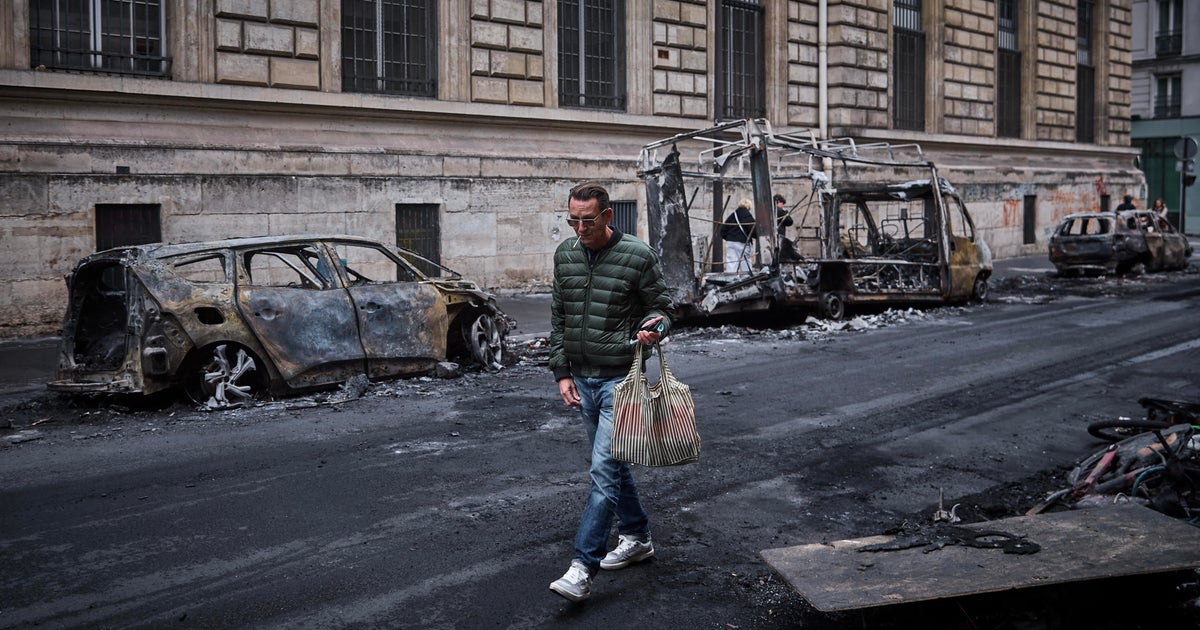
French officials sought to restore order Monday after a weekend of rioting left a historic town hall in ruins, businesses looted and streets strewn with burned vehicles across the country. Authorities asked some cities to consider partial curfews, while the government said it was prepared to declare a national state of emergency if needed.
The violence erupted during nationwide protests that drew more than 500,000 people Saturday. The demonstrations began last month with high school students demanding better conditions in crumbling, overcrowded schools and more teachers. They grew into a broader movement over rising living costs and declining public services. Hooded and masked rioters later looted shops, set fires and clashed with police.
Nearly 2,500 people had been arrested as of Saturday, CBS News reported, citing the Interior Ministry. NBC News reported a figure of nearly 2,400 arrests and said the ministry counted almost 1,000 injured police officers and firefighters. Prime Minister Sébastien Lecornu said about 3,000 businesses had been looted or vandalized. “Despite scenes of severe violence and extensive property damage, no one was killed and that is a miracle,” he said, according to NBC News.
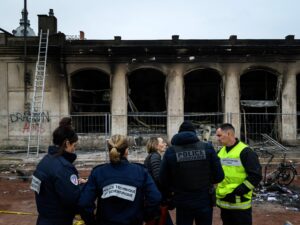
In Limoges, flames engulfed the 19th-century town hall and its clock tower collapsed. A tourist office burned in Lyon, and Marseille’s 17th-century city hall was stormed and defaced with graffiti. NBC News also reported damage to storefronts near Bordeaux’s city hall and break-ins at city halls in Lille and Angers.
Marseille banned large gatherings for most of Monday. In Paris, protesters gathered outside the Louvre in support of the students, and the museum closed after a blockade was announced. Lecornu said he had asked local authorities to introduce partial curfews but opposed placing all of Paris under one, NBC News reported.
“I’m absolutely determined to restore public order,” Lecornu said, according to CBS News. He said the government was ready to impose a national state of emergency “if needed.” He also blamed some violence on what he called “an ultra-left movement intent on orchestrating profound disorder” ahead of the April presidential election. He acknowledged that students’ complaints were legitimate but said violence was undermining the freedom to demonstrate.
President Emmanuel Macron blamed “troublemakers from far-left fringe groups” and said in a televised address Sunday that “those who sought to bring down the Republic will be held accountable.” Interior Minister Laurent Nuñez said authorities had “lost control” in major cities, according to NBC News. He offered to resign, but Macron refused.
Political leaders disputed responsibility. NBC News reported that far-left presidential candidate Jean-Luc Mélenchon blamed the government, while far-right candidate Marine Le Pen called Macron’s administration “exhausted, disoriented and seemingly incapable of doing anything other than commenting on its own powerlessness.”
President Donald Trump blamed immigration in social media posts Sunday and Monday, urging France to close its borders. French officials have not linked immigration to the unrest. The Yellow Vests movement, which organized weekend rallies, has called for another round of demonstrations Saturday, CBS News reported.


Be First to Comment