Key takeaways:
- At least 300 Intermarché and Netto stores and more than 100 Coopérative U outlets were targeted; Carrefour reported 80 affected stores.
- Intermarché said its fridges reached 50C for six hours overnight into Monday, according to the BBC.
- Danfoss said most affected equipment was older and no longer received software or security updates.
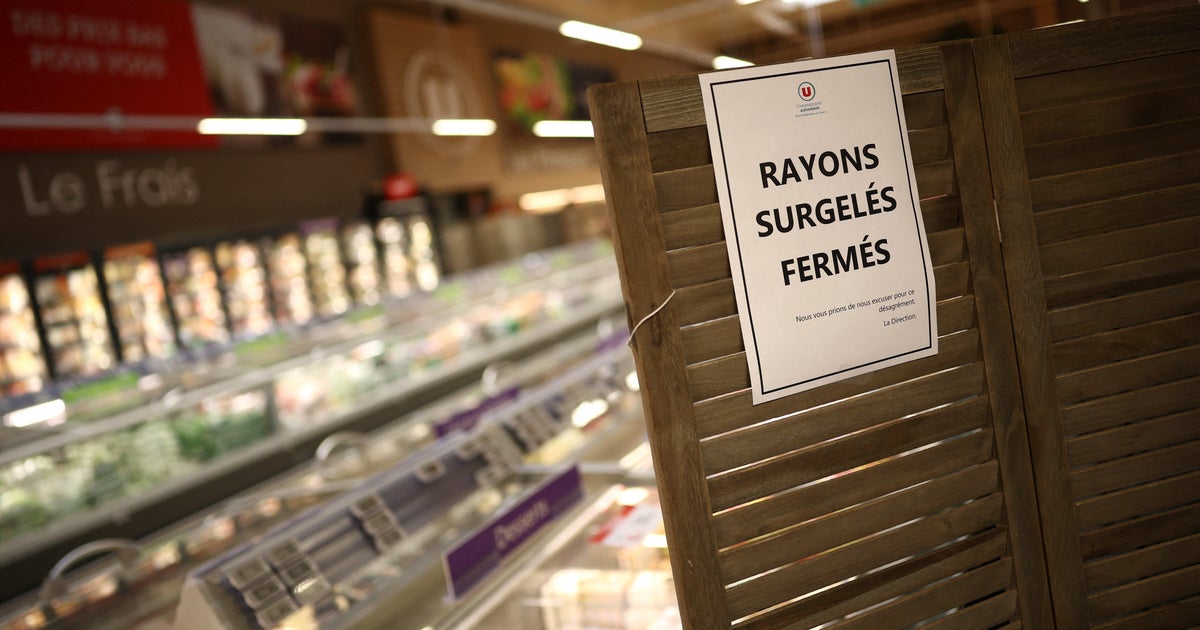
A cyberattack sent refrigerators and freezers heating up in hundreds of French supermarkets overnight into Monday, forcing retailers to discard fresh and frozen food. Some stores reported small fires, and prosecutors have opened an investigation.
At least 300 Intermarché and Netto stores and more than 100 Coopérative U outlets were targeted, the retailers told AFP. Carrefour said fridges in 80 of its 6,000 stores were hacked. E. Leclerc reported disruptions in several stores, while the BBC reported that Monoprix said 5% of its more than 400 stores were hit.
The full scale of the attack remains unclear. The BBC said figures supplied by individual chains suggested about 500 stores were affected out of roughly 15,000 supermarkets across France. It reported that spoiled food was estimated to be worth millions of euros, though retailers have not provided a nationwide loss figure.
Hackers gained control of software used to regulate refrigeration temperatures, the BBC reported. French broadcaster BFMTV said they remotely triggered prolonged defrosting. According to the BBC, Intermarché said its fridges reached 50C (120F) for six hours overnight into Monday. BFMTV published an image of a freezer displaying 26.5C and reported that two supermarkets in the Alsace region lost a combined €270,000 (£228,000).
Some refrigeration units remained out of service Monday afternoon, Mousquetaires Group, which owns Intermarché and Netto, told the BBC. Staff removed products from those units and were working to restock shelves, the group said. Monoprix removed food from sale when its condition could not be guaranteed, according to the BBC.
E. Leclerc told AFP that the attack affected one of its refrigeration equipment suppliers, disrupting systems in several stores. Danish engineering company Danfoss said most affected equipment consisted of older products that no longer receive software or security updates. It identified its AK-SM800 and AK-SC355 refrigeration control systems as affected, with one version of the former running outdated firmware. Danfoss said it had long advised supermarkets to replace those models but gave no figure for the number of systems affected.
The Paris prosecutor’s office said its investigation would identify affected businesses and examine links between the attack, food losses and reported fires. Coopérative U chief executive Dominique Schelcher called the targeting of equipment essential to preserving fresh food and supplying the public “of extreme gravity and unprecedented.” He said staff were working with refrigeration specialists to restore operations.
European food and agriculture commissioner Christophe Hansen condemned the attack on X. “Food security requires more attention at all levels,” he wrote. “Because the weaponisation of food has become a reality.”
A person close to French Prime Minister Sébastien Lecornu told AFP that France’s cybersecurity agency had identified a vulnerability in software supplied by a Danish company and contacted the vendor. The agency was coordinating with European counterparts because other countries might be affected, the person said. Reuters also reported that Dutch retailer Ahold Delhaize was dealing with a security issue in its network; no link to the French attack was established in the reports.











Be First to Comment