Key takeaways:
- Flowers was tried six times for four 1996 killings; four convictions were overturned, and two trials ended in mistrials.
- The U.S. Supreme Court overturned his final conviction in 2019 after finding that the removal of Black prospective jurors denied him a fair trial.
- Flowers was released on bond in December 2019, and Mississippi dropped the charges in September 2020.
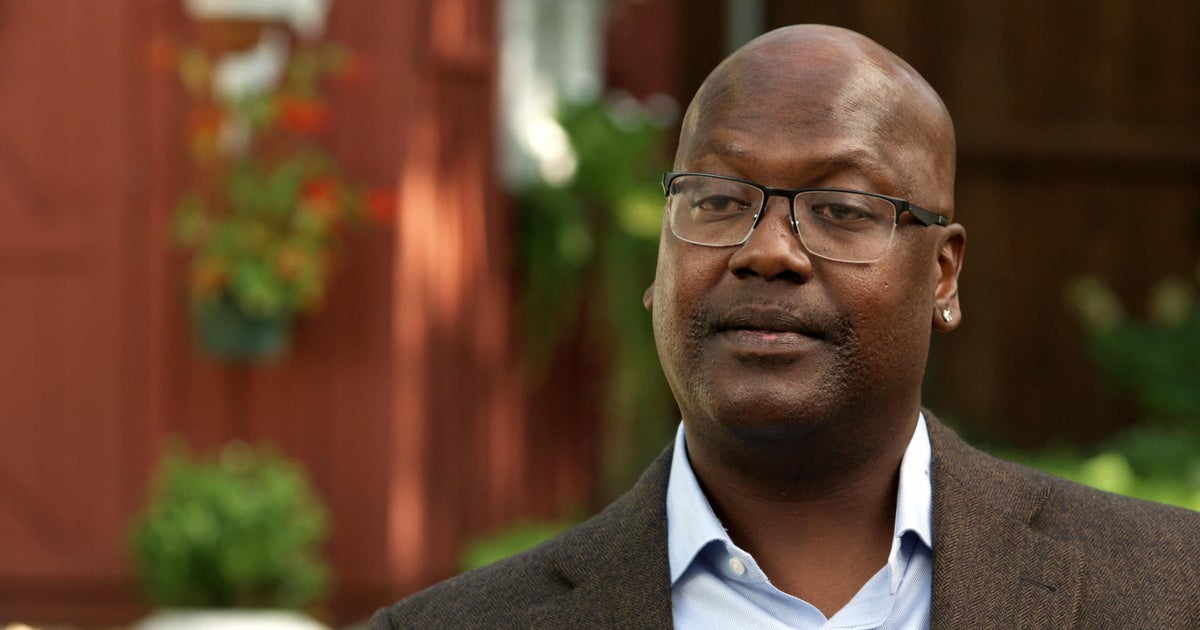
Curtis Flowers, who spent nearly 23 years in prison after a Mississippi prosecutor tried him six times for the same four killings, has died at 56. His family confirmed that he died Wednesday at his home in Winona, attorney Rob McDuff said Thursday. No cause of death was given.
Flowers was arrested after four people were shot to death at a furniture store in Winona in July 1996. The victims were the store’s owner, a bookkeeper, a delivery man and a 16-year-old, CBS News reported. Flowers, who was Black, had worked briefly at the store that summer.
Prosecutors portrayed him as a former employee seeking revenge because the owner had fired him and withheld pay for damaged merchandise, according to The Guardian. Nearly $300 was found missing after the killings, the newspaper reported. CBS News said investigators never found the murder weapon and had no DNA or fingerprints linking Flowers to the crime.
District Attorney Doug Evans prosecuted Flowers in all six trials. An all-white jury convicted Flowers in the first and sentenced him to death. The conviction was overturned, but Evans brought the case back to court five more times. In all, four trials ended in convictions that were later overturned, and two ended in mistrials.
McDuff, who was part of Flowers’ legal team, called the case “unprecedented in the history of the American legal system.” He told CBS News’ “60 Minutes” in 2021 that the first three convictions were overturned “because of the prosecutor’s misrepresentation of the evidence to the jury and because of his discrimination in the selection of the jury.”
The sixth trial, in 2010, again ended in a conviction and death sentence. Its jury had 11 white members and one Black member after Evans struck five Black prospective jurors, The Guardian reported. An investigation by American Public Media’s “In the Dark” podcast later prompted witnesses to recant their accounts, including one witness who had said Flowers confessed, according to CBS News. The podcast also examined court records and found that Evans had excluded Black people from juries at a disproportionate rate over decades. Across Flowers’ six trials, 61 of 72 jurors were white, and all 61 voted to convict, CBS News reported.
In 2019, the U.S. Supreme Court overturned Flowers’ conviction, ruling that the removal of Black prospective jurors had denied him a fair trial. Justice Brett Kavanaugh described a “relentless, determined effort to rid the jury of Black individuals.” Flowers remained imprisoned while still under indictment, then was released on bond in December 2019.
Mississippi dropped the charges in September 2020. “Today, I am finally free from the injustice that left me locked in a box for nearly 23 years,” Flowers said in a statement quoted by The Guardian. He credited his family for never giving up on him.
Recalling his release in a 2021 interview with CBS News, Flowers said: “I felt like I was floating. I was just ready to go.”










Be First to Comment