Key takeaways:
- Saudi Arabia is appealing an August 2025 ruling that allowed the families’ lawsuit to proceed without deciding its merits.
- The families allege Saudi government employees helped two hijackers; Saudi Arabia denies involvement and claims sovereign immunity.
- The appeals judges discussed whether a lower court must resolve more facts before the case can move toward trial.
Relatives of Sept. 11 victims filled a New York federal appeals courtroom Wednesday as judges weighed whether their long-running lawsuit against Saudi Arabia can move toward trial. The three-judge panel gave no date for a ruling and raised questions about whether key facts must be resolved first.
The families allege that Saudi government employees knowingly helped two of the 19 hijackers before the 2001 attacks. Saudi Arabia denies any involvement and argues that its status as a foreign sovereign protects it from the claims in U.S. courts. Fifteen of the hijackers were Saudi nationals.
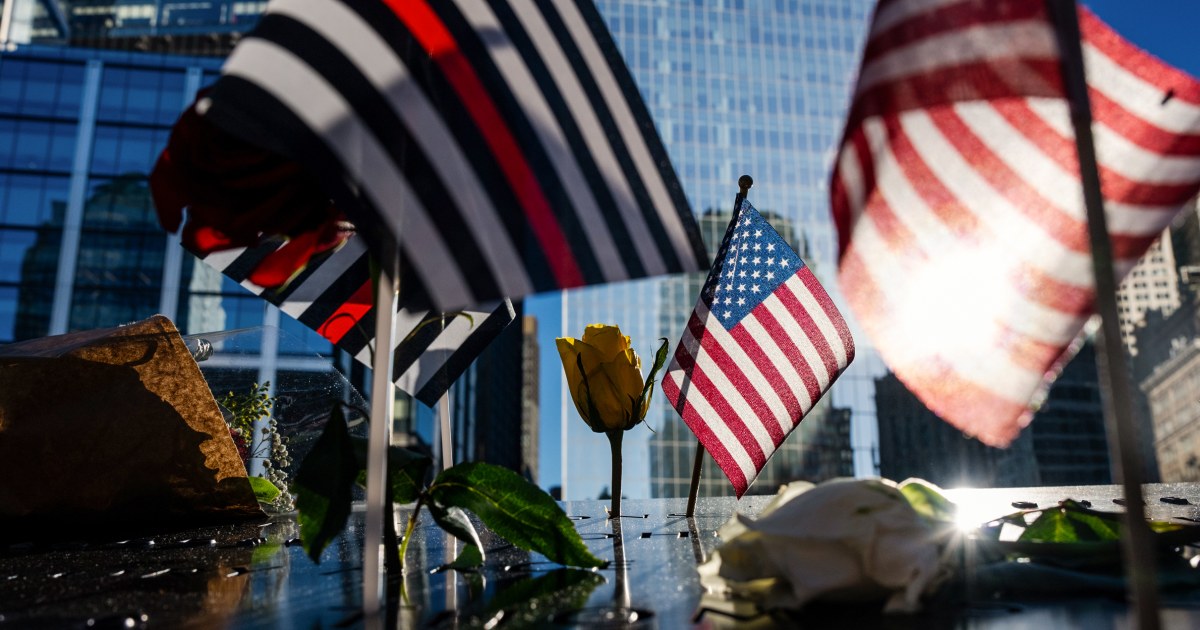
Almost 3,000 people were killed when hijackers seized four passenger jets and crashed them into the World Trade Center in New York, the Pentagon and a Pennsylvania field, where passengers had resisted. The families first filed their lawsuit in 2002.
According to the BBC, a central allegation concerns Omar al-Bayoumi, a former Saudi government employee whom the families say supported two hijackers while working with a network of officials linked to the Saudi Ministry of Islamic Affairs. Bayoumi, now retired, denies knowing the men were hijackers or having any involvement in the attacks. Saudi Arabia says allegations that it or its officials were complicit are categorically false.
The lawsuit also includes injured survivors, insurers and businesses. According to NBC News, they allege that Saudi government employees aided the hijackers and other plotters and that funding for charities supporting al Qaeda helped the organization grow. Lawyers for the relatives say extremist religious leaders in Saudi Arabia helped the hijackers. Saudi Arabia’s lawyers say their country and the United States were partners against terrorism, al Qaeda and its founder, Osama bin Laden, in the 1990s. Other defendants, including Iran, the Taliban and al Qaeda, have already been found in default, NBC News reported.
The families spent years lobbying Congress to change U.S. sovereign-immunity law. In 2016, Congress passed the Justice Against Sponsors of Terrorism Act, allowing civil claims against foreign states or officials for harm caused by acts of international terrorism. In August 2025, U.S. District Judge George B. Daniels ruled that the families had presented enough evidence for the case to proceed. He did not decide whether their allegations were true. Saudi Arabia appealed.
At Wednesday’s hearing, Saudi counsel Gregory Rapawy argued that crucial facts, including the nature of Bayoumi’s government employment, remained unsettled and must be resolved before Saudi Arabia could lose immunity. Lawyer Gavin Simpson, representing the families, said the district court had found Bayoumi’s conduct “were not just acts of a good Samaritan or an innocent participant.” Simpson said Bayoumi was “following Saudi Arabia’s instructions when assisting the hijackers,” a claim he said Saudi Arabia had “failed to rebut.”
The judges discussed sending the case back for more specific findings, potentially including live testimony. Asked whether Bayoumi could testify, Rapawy said, “we would have to see.” Judge William Nardini closed the hearing by saying, “it’s a difficult case, and we will take it under advisement.”
Outside court, Terry Strada, whose husband, Tom, died at the World Trade Center, told the BBC she hoped the judges would uphold Daniels’ decision and allow a trial. “25 years is an extraordinary time to go without accountability and justice for the murder of your loved one,” she said.




Be First to Comment