Key takeaways:
- Researchers estimate Zavodovski’s chinstrap population fell from about 1.09 million breeding individuals in 2011 to 402,000 in 2025.
- Macaroni penguins increased from about 338,000 to 433,000 on the island over the same period.
- Researchers say warming-driven changes in krill availability, rather than a 2016 volcanic eruption, are the most likely cause of the chinstrap decline.
A remote island near Antarctica has lost nearly two-thirds of its chinstrap penguins in 14 years, ending its claim to the world’s largest penguin colony, researchers say. The decline on Zavodovski Island appears linked to warming seas that have shifted the birds’ main food source beyond their reach.
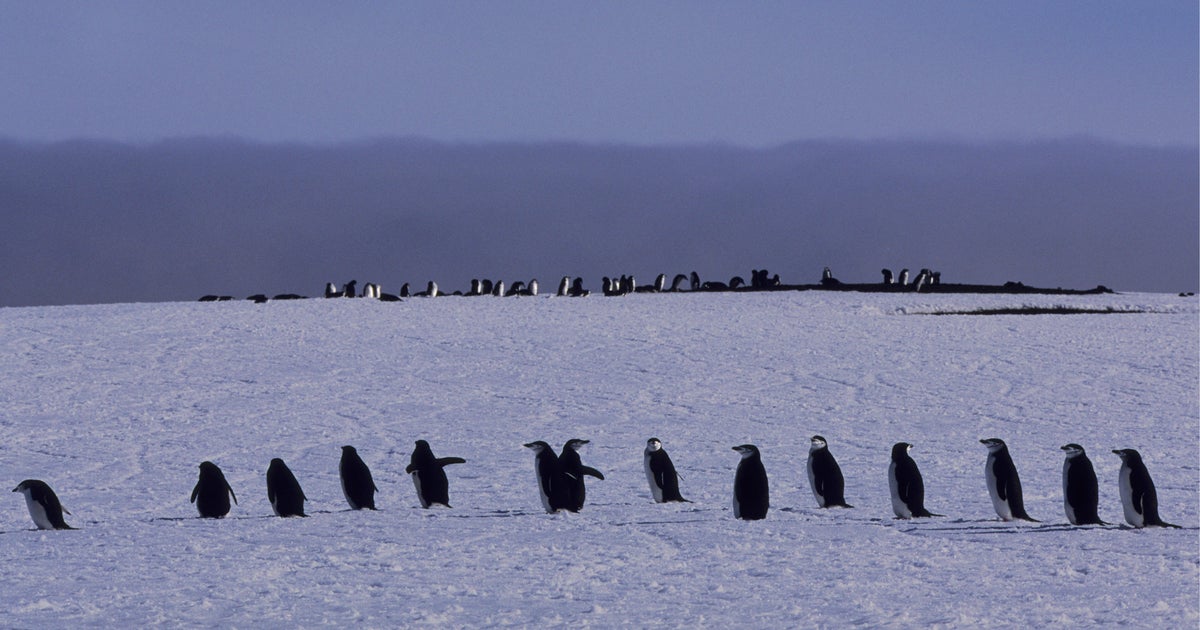
A study led by the British Antarctic Survey found 63% fewer occupied chinstrap nests in 2025 than in 2011. The researchers estimated that the island’s population fell from about 1.09 million breeding individuals to 402,000, a loss of more than 680,000 penguins. CBS News reported that the population declined at a rate of 7% a year.
“That’s a very rapid loss,” study leader Norman Ratcliffe told AFP, according to CBS News. The findings, published in Current Biology, draw on drone surveys, aerial photography and satellite images. The BBC reported that a research team sailed 15 days to reach the island and fitted tracking devices to 20 birds.
Zavodovski is part of the South Sandwich Islands, an archipelago north of Antarctica that is a UK overseas territory. The wider island group is home to 38% of chinstrap penguins, according to CBS News, and the Zavodovski findings have raised concerns about populations elsewhere in the archipelago. Surveys in 2011 had found those populations stable. The researchers say the declines warrant changing the species’ International Union for Conservation of Nature classification from “least concern” to “endangered.”
The scientists identified a likely cause in the ocean food web. Chinstraps depend heavily on krill, small shrimp-like crustaceans that have moved south toward colder waters as seas warm. Ratcliffe told the BBC that sea ice farther south and a lack of suitable nesting islands prevent the penguins from following their food.
The island’s macaroni penguins tell a different story. Their population rose from about 338,000 in 2011 to 433,000 in 2025, according to the study figures reported by CBS News, and they now outnumber chinstraps there. Macaronis eat a wider range of prey. Tracking data showed them foraging in warmer waters northeast of Zavodovski, where researchers said they were likely eating fish and other crustaceans alongside krill.
The team also examined Zavodovski’s volcano, Mount Curry, which erupted in 2016. But the chinstrap decline began before the eruption and continued at a steady rate afterward. CBS News reported that the ash cloud blew over an area where the penguins did not live. Researchers also considered competition for krill from migrating humpback whales, the BBC reported, but concluded that a broader climate-driven change in food supplies was the more likely explanation.
“The observed numerical shift from chinstraps to macaronis on Zavodovski represents the most striking change in penguin community composition that has been observed at a single location in Antarctica to date,” the study said.
The world’s largest penguin colony is now at Cape Adare, on the other side of Antarctica. CBS News reported that its Adélie penguin population numbered more than one million as of 2018.








Be First to Comment