Key takeaways:
- Howard’s scheduled execution would be the first in the United States since Pike survived two doses of pentobarbital.
- Howard’s attorneys say Texas has not provided requested information about the execution drug and argue its supply may be degraded.
- Howard was convicted of fatally shooting clerk Vickie Swartout during a 2000 convenience store robbery.
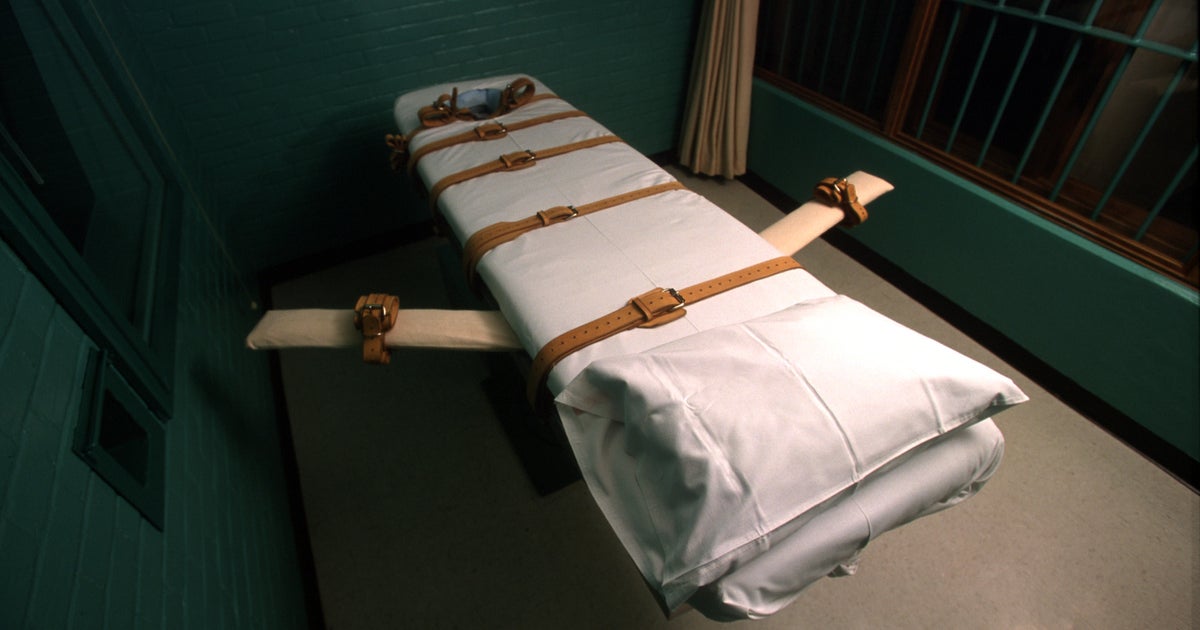
Lawyers for a Texas man scheduled to die Wednesday are seeking to halt his execution, arguing that the drug the state plans to use poses risks similar to those in a failed lethal injection in Tennessee last week. Jamaal Howard’s execution would be the first in the United States since Christa Pike survived two doses of pentobarbital.
Howard, 46, was convicted of capital murder for fatally shooting convenience store clerk Vickie Swartout, 42, during a robbery in Silsbee, Texas, in 2000. Store surveillance video showed the shooting, CBS News reported. Howard, then 20, took $114 and a carton of cigarettes, according to court records cited by CBS News. The Guardian reported that he was found guilty in 2001.
In a motion filed early Wednesday with the Texas Court of Criminal Appeals, Howard’s attorneys questioned the condition of the pentobarbital Texas plans to administer. “There is a similar risk,” they wrote, “that Texas’s execution drugs are likewise degraded, as they are far past the original beyond-use dates that the pharmacopeia allows for drugs of this kind.”
The attorneys said they had requested information about the lethal dose from the Texas Department of Criminal Justice. According to the motion, the department sought an opinion from the state attorney general on whether it must release that information, despite what the lawyers described as a years-long practice of disclosure. They said the opinion was not expected until after Wednesday’s scheduled execution, leaving Howard unable to challenge any decision to withhold the information beforehand. Texas officials did not immediately respond to a request for comment Wednesday morning.
Pike, 50, remained hospitalized after her attempted execution. Her attorneys said Tuesday that she was “conscious, speaking, and continues to receive critical medical care,” but that “her prognosis remains unclear.” They said they expected “a long recovery” and that, despite severe damage to her arms, she remained handcuffed and shackled to her bed.
Pike’s lawyers have alleged that needles pierced through veins during the procedure, causing blood and fluid to leak, and have raised concerns about deteriorated pentobarbital and a lack of emergency care. The Guardian reported that Pike complained during the injection that her arms felt as if they were going to explode; her lawyers said she had pneumonia and could not move her arms. Tennessee Gov. Bill Lee has halted the state’s remaining execution this year and ordered an investigation into why Pike’s execution failed, according to The Guardian.
Howard’s lawyers also argue that he is intellectually disabled and cannot be executed under a 2002 U.S. Supreme Court ruling. The state says he has not presented evidence meeting the requirements for that claim. Howard has an appeal pending before the Supreme Court, while the Fifth Circuit Court of Appeals rejected a request to stop his execution last week, The Guardian reported.
Texas has executed six people this year and has two more executions scheduled after Howard’s, CBS News reported. His would be the 30th execution nationwide in 2026.






Be First to Comment