Key takeaways:
- The inspector general found no reasonable grounds to suspect a federal criminal violation and identified no administrative misconduct.
- The renovation’s estimated cost rose from $1.9 billion to nearly $2.5 billion; the board had not established a guaranteed maximum price as of July.
- Fed Chair Kevin Warsh said the General Services Administration would take over executive oversight and the board would audit the work.
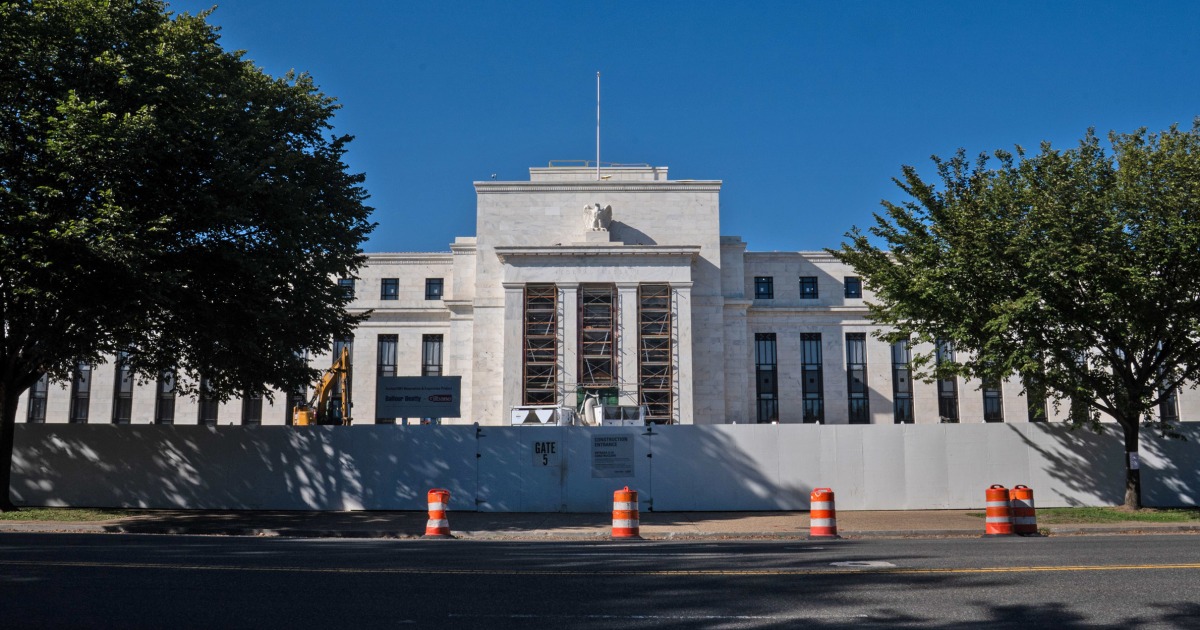
The Federal Reserve’s inspector general found no reasonable grounds to suspect a federal criminal violation in the central bank’s costly headquarters renovation, but said poor oversight and design changes helped drive the project’s estimated price from $1.9 billion to nearly $2.5 billion.
The 120-page report released Wednesday also found no administrative misconduct. It faulted the Fed’s board for failing to effectively use provisions of its construction contract to control costs and for establishing internal oversight that was “insufficient” for a project of such “magnitude and complexity.” As of July, four years after construction began and after more than $2 billion in construction costs had been awarded, the board had not established a guaranteed maximum price.
“At no point during our evaluation did we find reasonable grounds to believe that a violation of federal criminal law had occurred,” Inspector General Michael Horowitz’s report said. The watchdog also reviewed former Fed Chair Jerome Powell’s congressional testimony about the renovation and found no criminal wrongdoing, CBS News reported.
The project covers two buildings at the Fed’s Washington headquarters. Approved by the board in 2017, it is expected to be completed in 2027. The inspector general’s review began in July 2025 at Powell’s request, according to CBS News, after questions about the renovation drew scrutiny from President Donald Trump and other administration officials.
The report identified inflation, limited subcontractor bidding, challenging site conditions and substantial changes to the interior design as drivers of rising costs. Inflation was “clearly a factor,” it said, but the overruns exceeded the rate of inflation. The board did not provide the inspector general with an analysis explaining inflation’s effect on the total cost, CBS News reported.
One consequential change shifted the plans away from closed offices and toward open workspaces after construction had begun. The watchdog called it a “clear example of the consequences of ineffective project management,” saying it prolonged construction and increased exposure to inflation. The Fed has also cited higher material and labor costs, design changes following consultations with review agencies, soil contamination and more asbestos than anticipated.
The watchdog found that design elements criticized by the White House, including marble and a garden terrace, “did not materially contribute” to the cost increases. It also found that removing four planned water features would not produce significant savings because replacement landscaping and other work would still be required, NBC News reported.
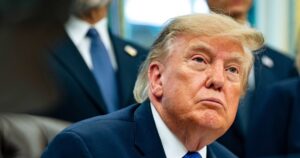
Trump called the renovation “disgraceful” and pressed Powell to lower interest rates. At a June 2025 Senate hearing, Sen. Tim Scott, R-S.C., accused Powell of spending billions on lavish features. Powell disputed the account, saying, “There’s no [VIP] dining room. There’s no new marble.” He said existing marble was being reused where possible.
In January, Powell disclosed that the Justice Department had issued grand jury subpoenas concerning his Senate testimony. A federal judge later quashed them, and prosecutors closed their investigation in April. Powell said at the time that the probe should be viewed in the context of administration pressure over interest rates.
Kevin Warsh, who succeeded Powell as Fed chair in May, told Horowitz that the General Services Administration would take over executive oversight of the renovation immediately. Warsh also said the board would audit the work, seek remedies for services not delivered and pursue reimbursement or credits where warranted. The public is owed “a prudent and conscientious use of public funds,” he wrote.







Be First to Comment