Key takeaways:
- The Senate passed the Protect College Sports Act by a bipartisan 77-22 vote.
- The bill would establish five years of eligibility, permit one transfer without loss of eligibility and regulate athlete compensation.
- The House is on recess until after the November midterm elections, leaving the bill’s future uncertain.
The Senate has passed a sweeping bill to set national rules for college sports, voting 77-22 for a measure supporters say will bring stability to a system reshaped by athlete payments and lawsuits. Opponents warn it would give the NCAA new power at athletes’ expense.
The bipartisan Protect College Sports Act now goes to the House, which is on recess until after the November midterm elections. Its prospects there are unclear, NPR reported.
The bill would give the NCAA a limited exemption from antitrust law to enforce eligibility and transfer rules. It would establish five years of eligibility and allow athletes one transfer without losing eligibility, while regulating deals involving their name, image and likeness, or NIL. It also includes health and safety requirements and provisions intended to preserve opportunities in women’s and Olympic sports.
The measure would adopt a revenue-sharing framework outlined in a settlement agreement, allowing universities to share roughly $21.6 million with athletes in the 2026-27 school year, according to CBS News. It also provides for an athlete retention fund of an additional $22.5 million per institution.
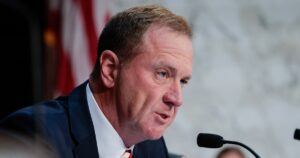
Sen. Ted Cruz of Texas, the Republican sponsor, said the bill would help curb “uncontrollable bidding wars” that could threaten less lucrative sports. “The system we have today is unsustainable, plain and simple,” he said, citing repeated transfers and conflicting court decisions. Cruz negotiated the legislation with Sen. Maria Cantwell of Washington, its principal Democratic backer, over more than a year.
Cantwell called recognition of revenue-sharing rights “a historic first.” She said the bill would protect roster spots, address rising coaches’ salaries and provide whistleblower and health care protections. It would also create an athlete commission to discuss issues including collective bargaining.
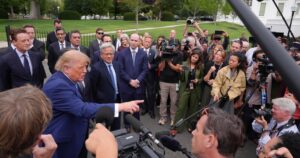
The NCAA, the Big Ten and SEC conferences, and the White House back the legislation. President Trump called for its passage on Sept. 17, NPR reported. But athlete and labor groups and the NAACP are among its critics. The Congressional Black Caucus said the bill had failed to meaningfully incorporate the views of Black athletes, coaches and agents, historically Black colleges and universities, or the caucus itself.
Sen. Cory Booker, a New Jersey Democrat and former college football player who voted against the bill, acknowledged it contains “good things” but said it undermines athletes’ ability to bargain and challenge NCAA decisions in court. “We have a bill that’s going to protect the wealth and the gravy train for a lot of folks but puts burdens on college athletes,” he told NPR. Cantwell countered that enshrining revenue-sharing rights matters because the settlement allowing schools to pay athletes could expire.
NPR reported that the bill would cap agents’ fees for NIL deals at 5%, limit conferences to 20 schools and require a school moving between power conferences to compete independently for three academic years. It would require schools to maintain scholarships and roster spots in women’s and Olympic sports, though those protections would expire after nine years for large schools and four years for midsize schools, with hardship exceptions.
Cantwell’s report says schools have eliminated more than 100 women’s and Olympic sports teams since 2023. Critics question whether restrictions on athlete pay are needed to protect those programs, pointing instead to other athletic department costs.







Be First to Comment