Key takeaways:
- The BBC reported that 15 men were convicted, while Al Jazeera reported that 14 of 24 men accused of direct involvement were convicted and one defendant was found guilty of only some charges.
- The 2019 Easter Sunday bombings hit three churches and three luxury hotels; the BBC reported 270 deaths and more than 500 injuries, while Al Jazeera reported 279 deaths.
- Prosecutors said Naufer Moulavi masterminded the suicide bombings, and sentencing for those convicted will take place later.
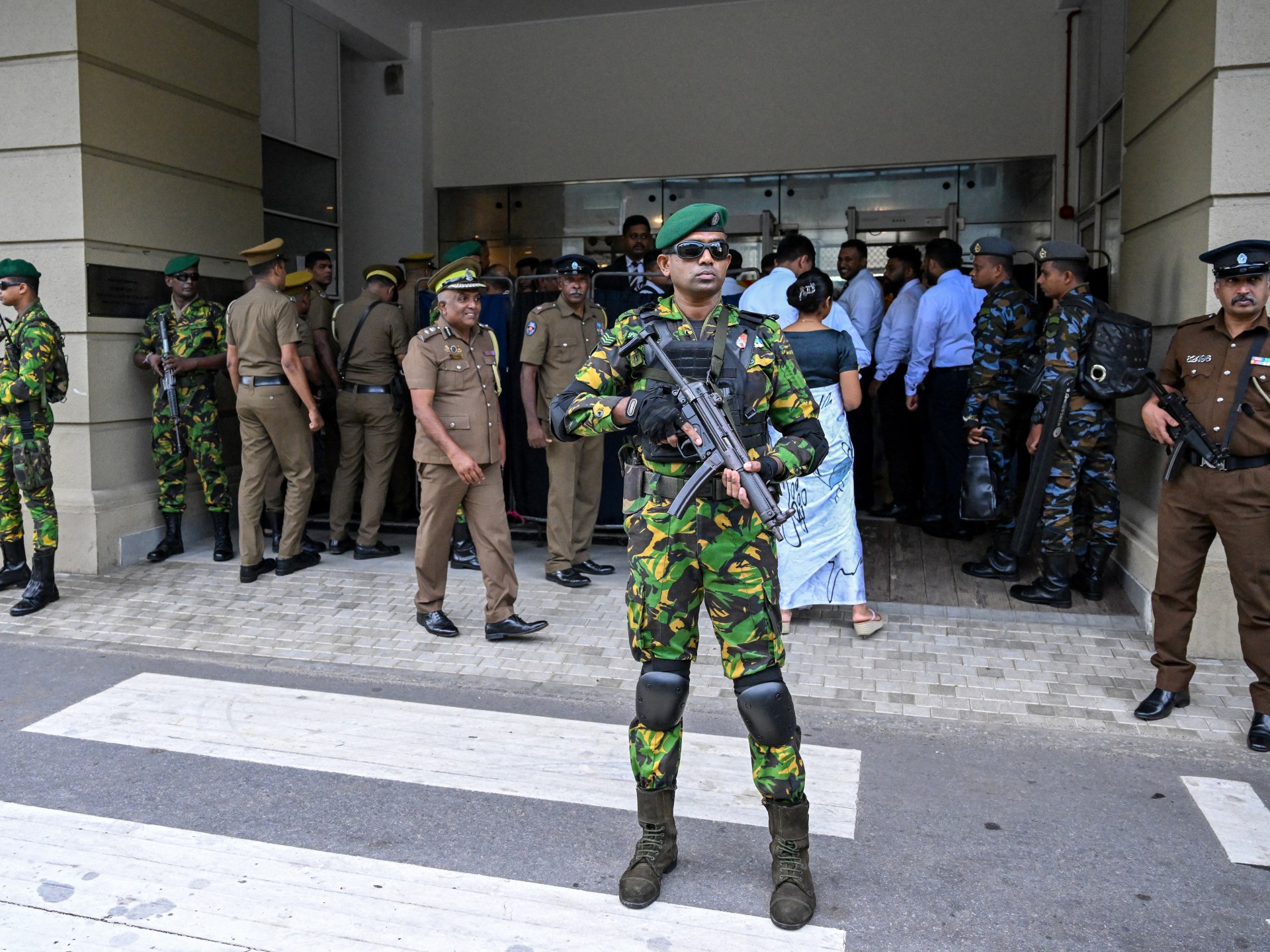
Sri Lanka’s High Court has convicted more than a dozen men over the 2019 Easter Sunday suicide bombings, attacks that devastated churches and luxury hotels and became the country’s deadliest violence since the end of its civil war.
The BBC reported that 15 men were found guilty of plotting the coordinated bombings, which killed 270 people and injured more than 500. Al Jazeera, citing AFP, reported that the court convicted 14 of 24 men accused of being directly involved in the attacks, which it said killed 279 people. The court said nine defendants were acquitted, while another was found guilty of only some charges, according to Al Jazeera.
Among those convicted was Naufer Moulavi, who prosecutors said masterminded the bombings, the BBC reported. Sentencing will take place later, Al Jazeera reported, after a three-judge bench read out its decision on Tuesday following a five-year trial.
The attacks struck three churches and three luxury hotels on Easter Sunday in 2019. Forty-five foreigners were among the dead, according to the BBC. All of the suicide bombers who carried out the blasts died in the explosions.
Investigators have previously blamed the bombings on Islamist extremists. The BBC reported that the 25 men indicted were from Sri Lanka’s Muslim minority and that one died in custody. The defendants faced more than 23,000 offences, including murder, conspiracy to commit terrorism and possessing firearms.
The prosecution presented evidence on a vast scale. More than 2,300 people gave evidence, and the case included 2,076 pieces of evidence, including explosives, swords and firearms, the BBC reported.
The bombings also triggered scrutiny of Sri Lanka’s security apparatus. In the aftermath, authorities pointed to a “major intelligence lapse.” Parliament heard that a tip-off from India about the attacks was not properly shared with the authorities.
In 2023, Sri Lanka’s Supreme Court ordered former President Maithripala Sirisena to pay millions in compensation to victims after finding him responsible for national security failures that led to the attacks. Last month, two former senior officials were sentenced to death for criminal negligence that led to the bombings, the BBC reported. Death sentences are usually commuted to life in prison in Sri Lanka because of a decades-old moratorium on executions.
For years, Sri Lankans have held regular demonstrations demanding justice for the victims of the Easter attacks.







Be First to Comment