Key takeaways:
- Ten lions were found dead on September 18, 2026, in the Ndutu area of Tanzania’s Ngorongoro Conservation Area.
- The Ngorongoro Conservation Area Authority said preliminary findings suggest the lions may have died after ingesting poison and that an investigation is underway.
- Neighboring Kenya is investigating suspected elephant poisonings in the Amboseli ecosystem, with reports differing on whether 18 or at least 20 elephants have died.
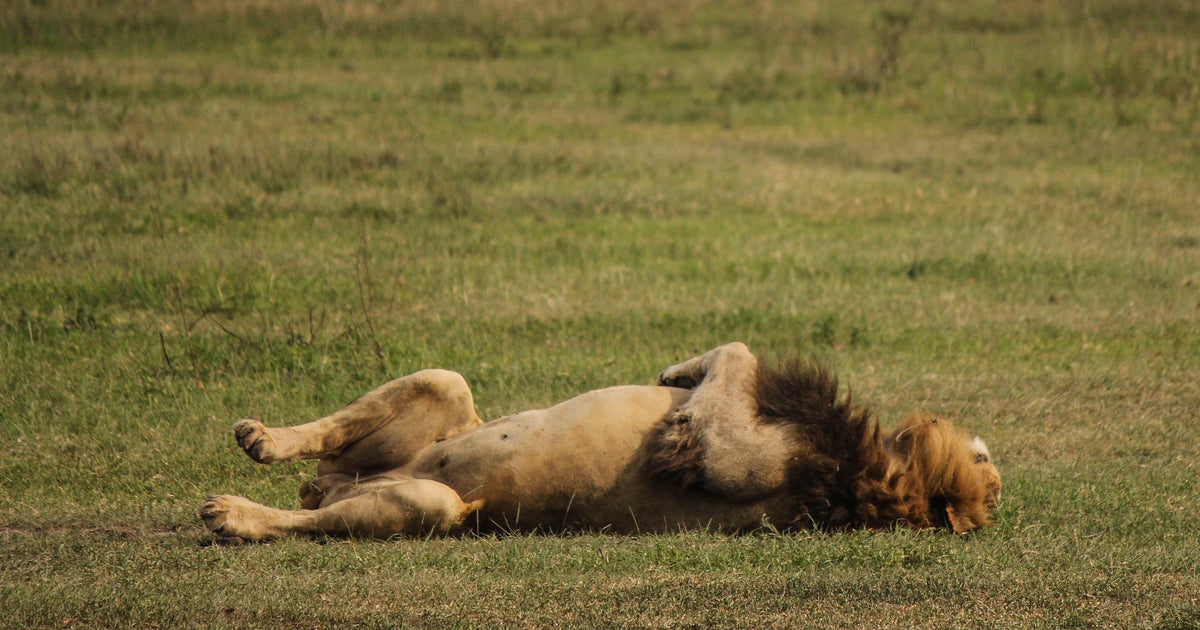
Ten lions have been found dead in Tanzania’s Ngorongoro Conservation Area, prompting authorities to investigate a suspected poisoning at one of the country’s best-known wildlife reserves.
“The Ngorongoro Conservation Area Authority (NCAA) regrets to inform the public that ten (10) lions were found dead on September 18, 2026 in the Ndutu area,” the authority said in a statement.
Wildlife officials said early evidence points to poison. “Preliminary findings suggest the animals may have died after ingesting poison,” the authority said, adding that it had launched a full investigation “to determine the cause of the incident and identify those responsible.”
The Ngorongoro Conservation Area is a UNESCO World Heritage Site and one of Tanzania’s most visited tourist destinations. It includes the Ngorongoro Crater and is home to the Big Five game animals: elephant, lion, leopard, buffalo and rhino. UNESCO says the conservation area has about 25,000 large animals, including the densest known population of lions.
The reserve is also home to pastoral tribal communities that raise cattle, and it has been the scene of long-running tensions between authorities and local nomadic residents. Clashes have sometimes turned deadly since Tanzania’s government began an eviction program in 2022. The government says population growth is putting pressure on wildlife habitat, with the number of people living in Ngorongoro rising from about 8,000 in 1959 to more than 100,000.
The deaths come as conservation officials across East Africa confront threats to large animals in areas where people and wildlife compete for land and resources. The International Union for Conservation of Nature classifies lions as vulnerable and says their numbers are declining. Threats include habitat loss, declining prey populations and human-wildlife conflict. NPR reported that Tanzania is home to Africa’s largest lion population, about half the world’s wild lions, and that lions there also face threats from shrinking habitat and poaching.
Authorities in neighboring Kenya are also investigating suspected wildlife poisonings. CBS News reported that since June, at least 20 elephants have died in Kenya’s Amboseli ecosystem near the Tanzanian border from suspected pesticide poisoning, though authorities could not determine whether the deaths were accidental or deliberate. NPR reported that 18 elephants died over the summer from suspected poisoning and that police have arrested four people.
According to Kenya’s Wildlife Service, preliminary tests showed the elephants may have ingested cyanide, NPR reported. Tomato farmers in the Amboseli region are known to use banned pesticides on their crops, but growers deny using cyanide.
Kenya has previously recorded cases of elephants being poisoned in connection with poaching and human-wildlife conflict. Officials say the Amboseli deaths are the first time in decades that the region has recorded elephant deaths on that scale, according to CBS News’ partner network BBC News.








Be First to Comment