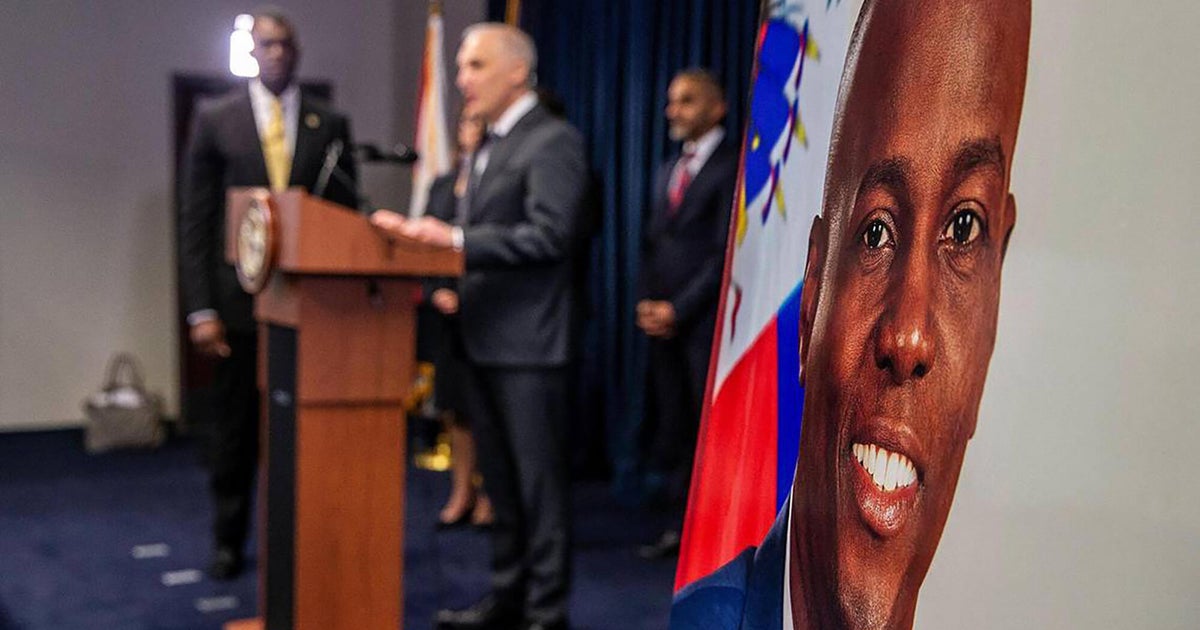
Key takeaways:
- Eighteen suspects were flown Sunday from Port-au-Prince to Florida to face trial in the assassination of Haitian President Jovenel Moïse.
- U.S. Attorney Jason A. Reding Quiñones said 30 people have been indicted in the killing, and the FBI reported multiple arrests in the U.S. and abroad on Sunday.
- A Florida jury convicted four men in May, while at least five others have pleaded guilty and are serving life sentences.
Eighteen suspects in the 2021 assassination of Haitian President Jovenel Moïse have been flown to Florida to face federal charges, opening a new phase in a case that has stretched across Haiti and the United States for years.
A military flight on Sunday carried the suspects from Port-au-Prince to Florida, where they are expected to stand trial over their alleged roles in a transnational plot to kill Moïse. U.S. Attorney Jason A. Reding Quiñones of the Southern District of Florida said the extraditions marked a major step in the prosecution.
“Today marks the next major phase in our pursuit of accountability for the assassination of President Jovenel Moïse,” Quiñones wrote on social media. “We will follow the evidence wherever it leads, to those who financed it, facilitated it, supported it or committed crimes to make it possible. Five years later, we are still bringing defendants before American courts, and we are not finished.”
Quiñones did not immediately identify the 18 suspects. CBS News and Al Jazeera reported that those still in Haiti awaiting trial include more than a dozen Colombian soldiers and a former Haitian government official.
Quiñones said 30 people have been indicted in the killing. FBI Special Agent in Charge Brett Skiles said there were multiple arrests in the United States and abroad on Sunday, and that the FBI and others “remain steadfast in ensuring that all individuals who allegedly sought profit from the assassination of a head of state are held fully accountable.”
Moïse, 53, was shot dead in July 2021 at his private residence in the hills above Port-au-Prince. His wife, Martine Moïse, was wounded in the attack. Al Jazeera reported that the killing left Haiti without any elected national leader and that no national elections have been held since the assassination.
Federal prosecutors in Florida have argued that U.S. courts have jurisdiction because the broader plot to assassinate Moïse was primarily engineered, financed and staged from southern Florida, according to Al Jazeera. The outlet also reported that a fair trial in Haiti had become increasingly difficult because of gang violence, political chaos, humanitarian crises and a weakened judicial system.
The U.S. prosecutions have already produced convictions. In May, a Florida jury convicted Arcángel Pretel Ortiz, Antonio Intriago, Walter Veintemilla and James Solages, who had pleaded not guilty. Prosecutors alleged they were among the masterminds of the plot. The jury found them guilty of conspiring to kill or kidnap Haiti’s elected leader and providing material support for the plot. At least five other people have pleaded guilty and are serving life sentences.
Martine Moïse testified in Miami federal court in March, giving emotional and sometimes graphic testimony about the attack inside the couple’s bedroom at their Petionville home, CBS News reported. She also directly accused former Haitian President Michel Martelly and former Prime Minister Ariel Henry of having connections to her husband’s killing. In 2024, a judge in Haiti indicted Martine Moïse on charges of complicity and criminal association; her attorney called the charges “ridiculous and unjust.”
The extraditions drew criticism inside Haiti. Pierre Esperance, executive director of the National Human Rights Defense Network, called the transfer of the 18 suspects to the United States a “disgrace for the Haitian justice system” and urged reforms so complex cases could be tried in Haiti in the future.
Al Jazeera reported that armed gangs have expanded their control since Moïse’s assassination, consolidating power over an estimated 90 percent of Port-au-Prince. The United Nations documented at least 8,100 gang killings in 2025 and said insecurity had displaced about 1.5 million people, according to the outlet.









Be First to Comment