Key takeaways:
- Lady Justice Kathryn Thirlwall found “complete failure at all levels” to invoke safeguarding procedures at the Countess of Chester Hospital.
- Letby, 36, is serving 15 whole-life terms for murdering seven babies and attempting to murder seven others, one of them twice.
- The inquiry made 17 recommendations, including baby monitors for neonatal cots and incubators and tighter controls on access to insulin.
Hospital failures allowed neonatal nurse Lucy Letby to continue harming babies in her care, and some deaths and attacks could have been prevented had staff and managers acted sooner, a public inquiry in England has found.
Lady Justice Kathryn Thirlwall’s report, published Tuesday at Liverpool Town Hall, described “dysfunctional management and governance” at the Countess of Chester Hospital in northwestern England and a “complete failure” to protect infants on its neonatal unit.
“Errors were made by nurses, doctors and managers,” Thirlwall said. “There was also complete failure at all levels to invoke safeguarding procedures at any point.”
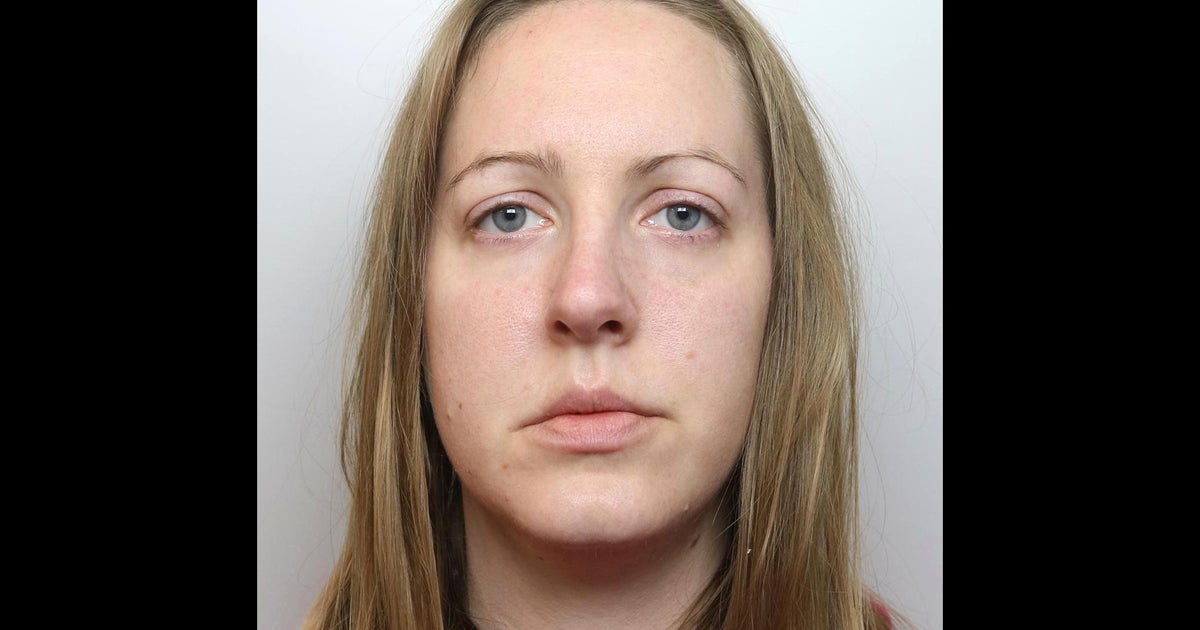
Letby, 36, is serving 15 whole-life terms for murdering seven babies and attempting to murder seven others, one of them twice, between June 2015 and June 2016. She has maintained her innocence, and a defense team backed by scientists who have questioned the evidence against her is seeking to clear her name. The inquiry did not review her convictions; it examined how babies were exposed to repeated harm, how hospital leaders responded and how parents were treated.
The inquiry heard from more than 130 witnesses and considered 400 statements over six months. Its report ran to more than 1,100 pages across three volumes.
Thirlwall found early warning signs were missed. The first three deaths in June 2015 were not treated as a cluster, even though they equaled the unit’s annual number of deaths and occurred within two weeks. A fourth death in August 2015 was reviewed by a serious incident panel attended by the medical director and director of nursing, but the process was treated as a formality. “What is surprising is that no connection was made by any of the people involved to the earlier deaths,” Thirlwall wrote.
She said it would never be possible to know exactly how many lives could have been saved. But she concluded that earlier safeguarding action would have prevented multiple attacks and deaths, including the deaths of babies O and P if Letby had been moved off the ward after the death of baby I in October 2015.
“How many lives could have been saved had the hospital acted differently?” Thirlwall said. “It is clear that some babies would have been saved and some attacks would have been prevented if action was taken earlier.”
The report said hospital executives repeatedly failed in their duty of candour to parents, investigators and regulators. Thirlwall described parents’ treatment as “reprehensible” and said they were “kept in the dark for years” over concerns that their children may have been deliberately harmed. She also found executives used the risk of upsetting parents as a convenient argument for not calling police.
Thirlwall was sharply critical of senior leaders. The BBC reported that she found medical director Ian Harvey “sought to control the narrative,” director of nursing Alison Kelly failed to act despite knowing she had to respond to suspicions of harm, and chief executive Tony Chambers added to delays in contacting police. The report said Chambers’ intention was to stall or obstruct the police investigation, which he succeeded in doing for almost a year.
The inquiry also found “toxic negativity” toward whistleblowers in the wider National Health Service and criticized the Care Quality Commission, which inspected the hospital in February 2016 while attacks continued until June. Key information was withheld from inspectors, but the regulator was faulted for not showing enough curiosity.
Prosecutors said Letby harmed babies in ways that left little trace, including injecting air into bloodstreams, administering air or milk through nasogastric tubes, poisoning infants with insulin and interfering with breathing tubes. She was the only employee on duty in the neonatal unit when the children collapsed or died, prosecutors said, describing her as a “constant malevolent presence.”
Thirlwall made 17 recommendations, including fitting neonatal cots and incubators with baby monitors and restricting access to insulin through biometric controls or CCTV monitoring. She also said there remains “no NHS-wide protocol on deliberate harm.”








Be First to Comment