Key takeaways:
- Houthi fighters seized Mokha after fierce clashes, and pro-government forces withdrew in what Tariq Saleh called a tactical withdrawal.
- Rashad al-Alimi urged international action, saying developments around Mokha and Bab al-Mandab are tied to global trade and are not only a Yemeni matter.
- The Houthis said Red Sea navigation remains safe and uninterrupted, while maintaining a ban on Saudi ships.
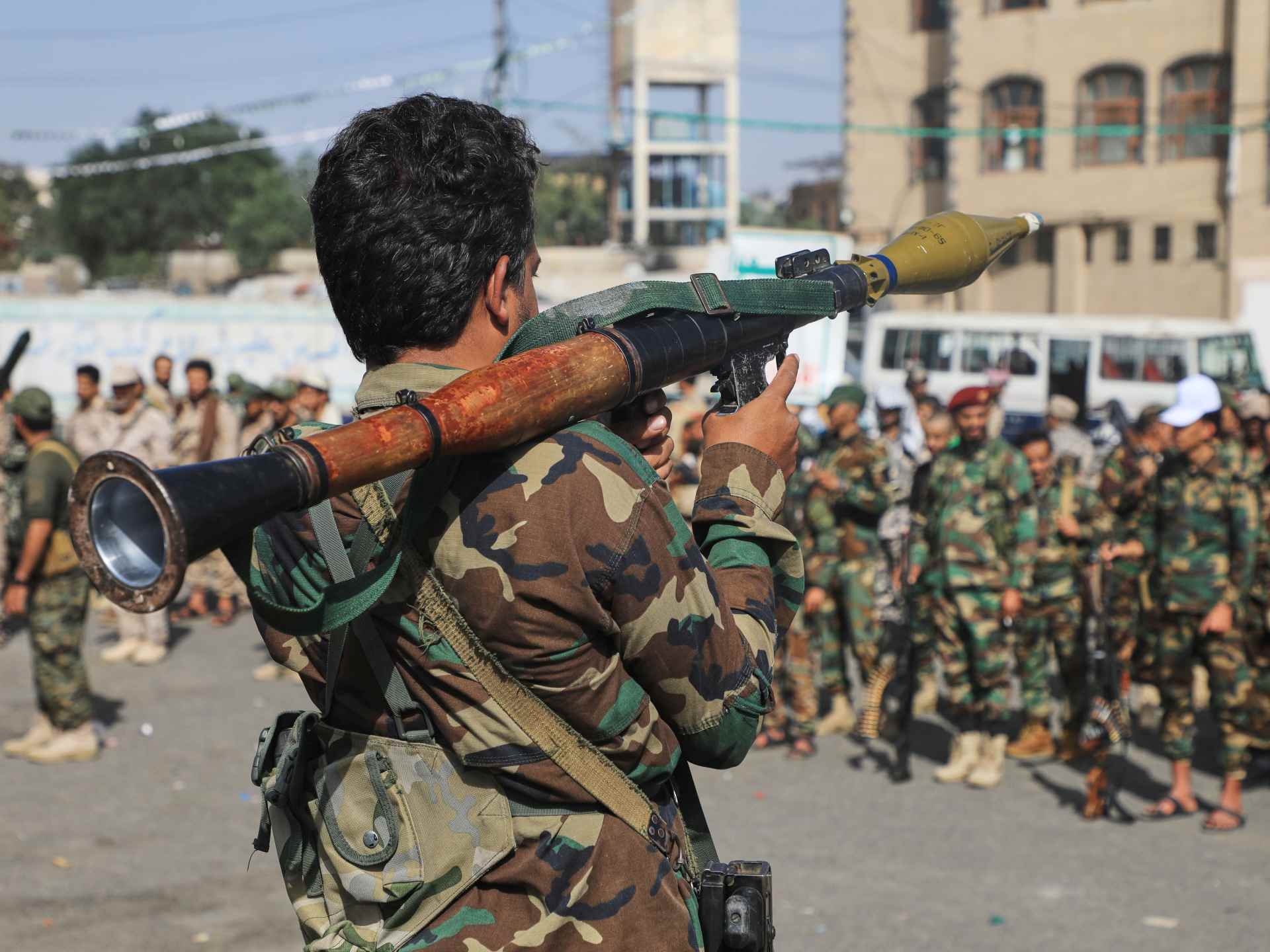
Yemen’s Houthis have seized the strategic Red Sea port city of Mokha, forcing Saudi-backed government forces to withdraw and raising new concerns over security near the Bab al-Mandab Strait, a critical route for trade between Asia and Europe.
Military sources and witnesses said Houthi fighters entered Mokha after fierce clashes with pro-government forces on Wednesday night. Al Jazeera reported that the group took over the city on Thursday as internationally recognised government forces pulled back, citing its correspondent and three Yemeni government sources who also spoke to Reuters.
“The Yemeni government tried to put up a fight; they called reinforcements … but the overwhelming military pressure of the Ansar Allah Houthis eventually [led to them taking] over the port and the city itself,” Al Jazeera correspondent Yousef Mawry said.
The fall of Mokha marks a major shift on Yemen’s western coast. Al Jazeera reported that the Houthis had expanded control over the Bab al-Mandab area, while the BBC reported that Mokha’s capture leaves the Iran-backed group about 75km, or 46 miles, from the strait. The waterway is the southern gateway to the Red Sea and one of the world’s most important shipping routes.
Residents described panic as fighters entered the city. “The takeover came without warning. Panic spread throughout the area, forcing people to flee amid distressing scenes of injured people lying in the streets with no-one there to help them,” one man told BBC Arabic’s Middle East Lifeline programme. Another resident said Houthi fighters were patrolling the streets on Thursday as government offices and shops remained closed. “At the moment, we don’t know what Ansar Allah will do,” he said. “Everyone is afraid for their safety.”
Many displaced families are heading east toward Aden, where Yemen’s internationally recognised Presidential Leadership Council and government are based. “We fled with our children and kept running. We have no bedding, no home, nothing with us. Everything was destroyed within an hour,” one woman told BBC Arabic.
Tariq Saleh, a member of the Presidential Leadership Council and a commander on the western coast, described the government pullback as a “tactical withdrawal” to reorganise forces. The BBC reported that he said he had moved his command centre to a “safe location” and that his forces had paid “a heavy price in recent days in the face of a Houthi offensive that was planned and supported by Iran.”
Rashad al-Alimi, head of the Presidential Leadership Council, said the situation around Mokha and Bab al-Mandab “are not a purely Yemeni affair” but a regional and international issue tied to global trade. He called for international action, saying Bab al-Mandab “cannot become another Strait of Hormuz” and “Yemen cannot become another Iran.” Foreign Minister Afrah al-Zouba separately urged the United Nations Security Council to take a firm stance.
The Houthis’ Supreme Political Council said clashes on the western coast had ceased after what it called the expulsion of government-aligned or Saudi-backed reinforcements. Houthi spokesman Mohammed Abdul Salam described the operation as a “national operation” to assert Yemeni sovereignty and said the group had no further territorial ambitions. The council said navigation in the Red Sea remained safe, but Houthi-linked outlets said a ban on Saudi ships was still in place.
The escalation follows a weeklong Houthi offensive in the southwest that the BBC said has reportedly killed hundreds and displaced thousands. A Saudi-led coalition has carried out air strikes on Houthi-controlled areas, while the Houthis have launched missiles and drones at Saudi cities and oil facilities. Houthi military spokesman Yahya Sarea said Saudi warplanes carried out 64 strikes over 24 hours, while the Houthi-affiliated Saba news agency reported 40 additional strikes on Taiz, Hodeidah, al-Jawf and Marib. There was no immediate Saudi military comment, according to the BBC.



Be First to Comment