Key takeaways:
- U.S. Southern Command said Wednesday’s Caribbean strike killed three people aboard a go-fast vessel on established narco-trafficking routes.
- Rubio said U.S. actions are being decided case by case and increasingly coordinated with allied countries in their territorial waters.
- The United States designated Ecuador’s Los Tiguerones gang as a terrorist organization and sanctioned seven former Ecuadorian officials.
The U.S. military carried out another deadly strike on an alleged drug-trafficking boat in the Caribbean Sea late Wednesday, hours after Secretary of State Marco Rubio defended the Trump administration’s expanding campaign against Latin American criminal groups and said the military will “still blow up ships” when necessary.
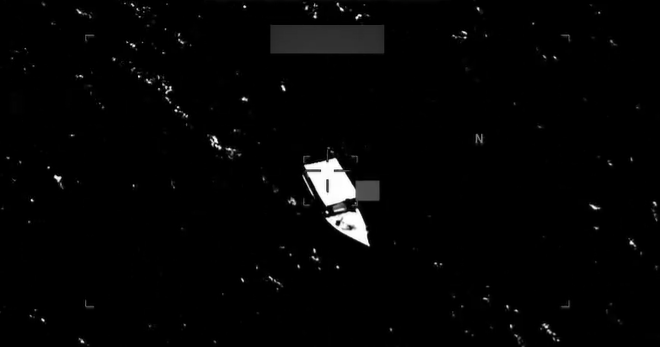
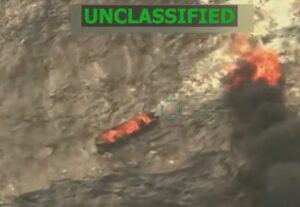
U.S. Southern Command said American forces conducted a “lethal kinetic strike on a go-fast vessel operating along established narco-trafficking routes in the Caribbean.” The command said the operation killed three “narco-terrorists” and posted black-and-white footage on X showing a vessel exploding in the water and bursting into flames.
The strike came during Rubio’s visit to Quito, Ecuador, part of a three-country South American tour aimed at strengthening security cooperation with conservative governments aligned with President Trump. Rubio met with Ecuadorian President Daniel Noboa and praised regional leaders willing to be “very aggressive” against criminal organizations.
“If you don’t confront these groups, they will eat these countries alive,” Rubio said. “It’s like a cancer that continues to grow until you don’t literally have a state anymore.”
Since Trump returned to power, the United States has conducted airstrikes against vessels on known trafficking routes in the Caribbean and eastern Pacific. Pentagon figures cited by CBS News put the death toll at more than 200 people. The Guardian reported that the latest strike brought the total to at least 230 people killed in 69 U.S. military boat strikes.
The campaign has drawn scrutiny from rights groups, fishermen and relatives of those killed, who have questioned whether vessels were targeted with sufficient evidence of ties to trafficking. Experts also have questioned whether the strikes reduce the flow of cocaine and other drugs to the United States.
Rubio said the administration is increasingly working with allied governments on joint operations in their territorial waters, including Ecuador and Colombia, and tailoring actions to local laws. “I think it’s an incredible advance for the first time to have countries that are willing to participate in these efforts in their territorial waters,” he told reporters.
He said decisions are made “strike-by-strike or operation-by-operation” based on a boat’s location, the threat it poses and applicable law. “When you’re conducting a joint operation in territorial waters, you have to reach an understanding as to how those operations are going to occur,” Rubio said.
Recent U.S.-Ecuador operations have removed crews from at least six boats before sinking the vessels, CBS News reported. Last week, the U.S. military intercepted and sank a vessel it said was being used to support at-sea drug trafficking by Los Choneros, an Ecuadorian criminal organization. That followed a similar operation against another vessel linked to the gang.
“The important point is that these routes are being disrupted. These routes are being ended,” Rubio said.
Ecuador has been hit by severe gang violence as criminal groups fight for control of trafficking routes. More than 25,000 people have been murdered there in the last three years, according to CBS News. “We are talking about terrorists who, in many cases, possess weapons and equipment resembling the national armies of certain countries,” Rubio said.
While in Quito, Rubio announced that the United States had designated the Ecuadorian gang Los Tiguerones as a terrorist organization and imposed sanctions on seven former Ecuadorian officials. Los Tiguerones drew international attention in early 2024 when masked gunmen stormed a television studio during a live broadcast, fired shots and forced crew members to the floor.
The designation follows earlier U.S. actions against Ecuadorian gangs including the Chone Killers, Los Lobos and Los Choneros. Rubio later traveled to Lima, Peru, after stops in Colombia and Ecuador.



Be First to Comment