Key takeaways:
- Nearly all of Kauai Island Utility Cooperative’s roughly 35,000 members were without power Tuesday, while Al Jazeera reported at least 30,000 residents lost electricity.
- Kauai Mayor Derek Kawakami said the island had “extensive damage,” with crews clearing trees, debris and flooded roads after Lowell passed offshore.
- One man died on Oahu when a tree hit his tent, Hawaii Gov. Josh Green said, according to The Guardian.
Hurricane Lowell battered Hawaii’s western islands with destructive winds, flooding rain and pounding surf, leaving tens of thousands without power on Kauai even as the storm’s center stayed offshore.
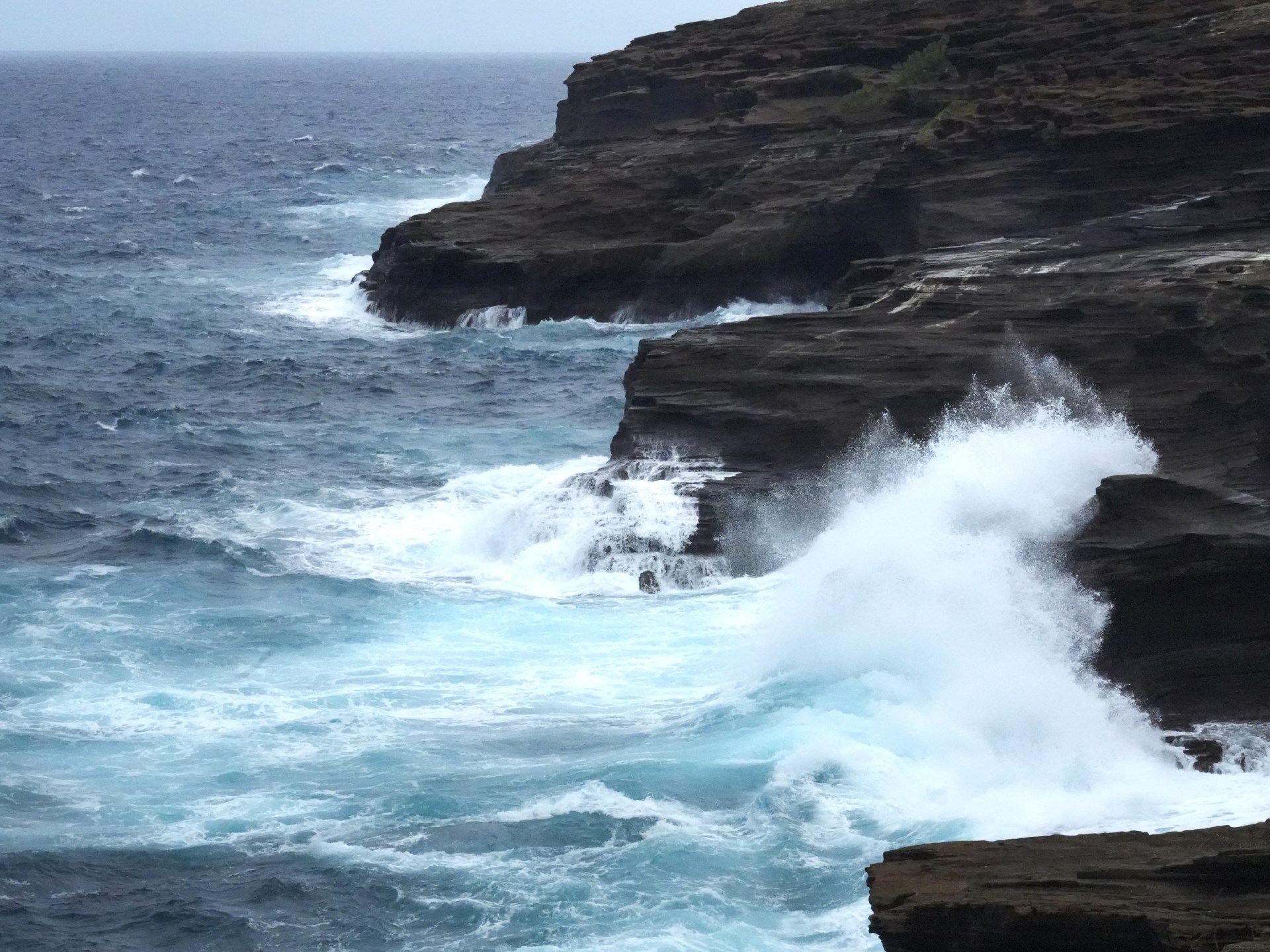
The Category 1 hurricane passed west of the islands overnight Tuesday and did not make landfall, but officials reported widespread damage on Kauai and Niihau, a small island with fewer than 100 permanent residents. Winds toppled trees, power poles and lines, while waves drove sand and lava rocks onto shore and floodwaters covered coastal roads.
The Kauai Island Utility Cooperative said nearly all of its roughly 35,000 members were without power Tuesday, according to The Guardian. Al Jazeera reported that at least 30,000 residents lost electricity and that nearly 92 percent of the utility’s residents were without power by early Tuesday as the storm moved north into open water.
Kauai Mayor Derek Kawakami said there was “extensive damage” across the island. Crews used heavy equipment to clear trees and debris from roads, and the county urged residents to shelter in place so workers could assess damage, clear hazards and begin restoring power and services.
“Everyone’s participation has gone from preparation to sheltering to staying off roads …. to now gathering data and information,” Kawakami said.
Officials asked residents to conserve water and avoid travel. Elton Ushio, head of the Kauai Emergency Management Agency, said Tuesday that the county was tracking 198 active hazard reports. Honolulu Civil Beat reported that officials later released few details about the full extent of the damage.
Kauai’s North Shore and Westside highways were impassable Tuesday because of flooding and debris, Honolulu Civil Beat reported. At Port Allen small boat harbor, several vessels sank and piers were destroyed. Officials also said storm surge reached Hanapēpē Stadium.
Al Jazeera reported that wind gusts reached about 85 mph and that roughly 300 residents were forced to evacuate. The National Hurricane Center said late Tuesday morning local time that Lowell had weakened, with maximum sustained winds near 65 mph and higher gusts, and was moving north at 14 mph. Forecasters expected gradual weakening over the next few days.
Hurricane warnings for Kauai and Niihau were lifted by Tuesday morning local time, and a tropical storm warning for Oahu, Hawaii’s most populous island, also ended. But the National Hurricane Center warned that high surf and deadly rip currents from the fading storm would continue to affect exposed Hawaiian coasts for another day or two. It also said dangerous surf from Lowell’s remnants would reach the Southern California coast for several days.
Oahu was hit by rain and high surf, though Kauai and Niihau took the worst of the storm. Road crews worked to clear sand and rocks from a major route along Oahu’s western edge after floodwaters topped a coastal highway north of Honolulu. One man died on Oahu on Monday evening when a tree struck his tent, Hawaii Gov. Josh Green said, according to The Guardian.
Lowell follows other storms that have affected Hawaii in recent months. The Guardian reported that Tropical Storm Lala brushed past the islands in August, triggering landslides, washing away about 100 homes and causing widespread power outages.
The Guardian also reported that the storms come as a powerful El Niño has formed in the central equatorial Pacific Ocean. The National Oceanic and Atmospheric Administration has predicted a “historic event that would exceed the strength of previous El Niño events dating back to 1950.” El Niño, a natural climate pattern involving unusually warm sea surface temperatures in the central and eastern Pacific, tends to promote hurricane activity in the Pacific while suppressing it in the Atlantic, The Guardian reported.






Be First to Comment