Key takeaways:
- Saudi authorities said Houthi attacks hit Abha, Khamis Mushait, Jazan and Najran, injuring 73 people, including women and children.
- Saudi Arabia’s Energy Ministry said fires at several energy facilities caused a temporary halt in some operations.
- The Houthis said the attacks targeted Saudi Aramco sites and were retaliation for Saudi strikes on Houthi-controlled areas in Yemen.
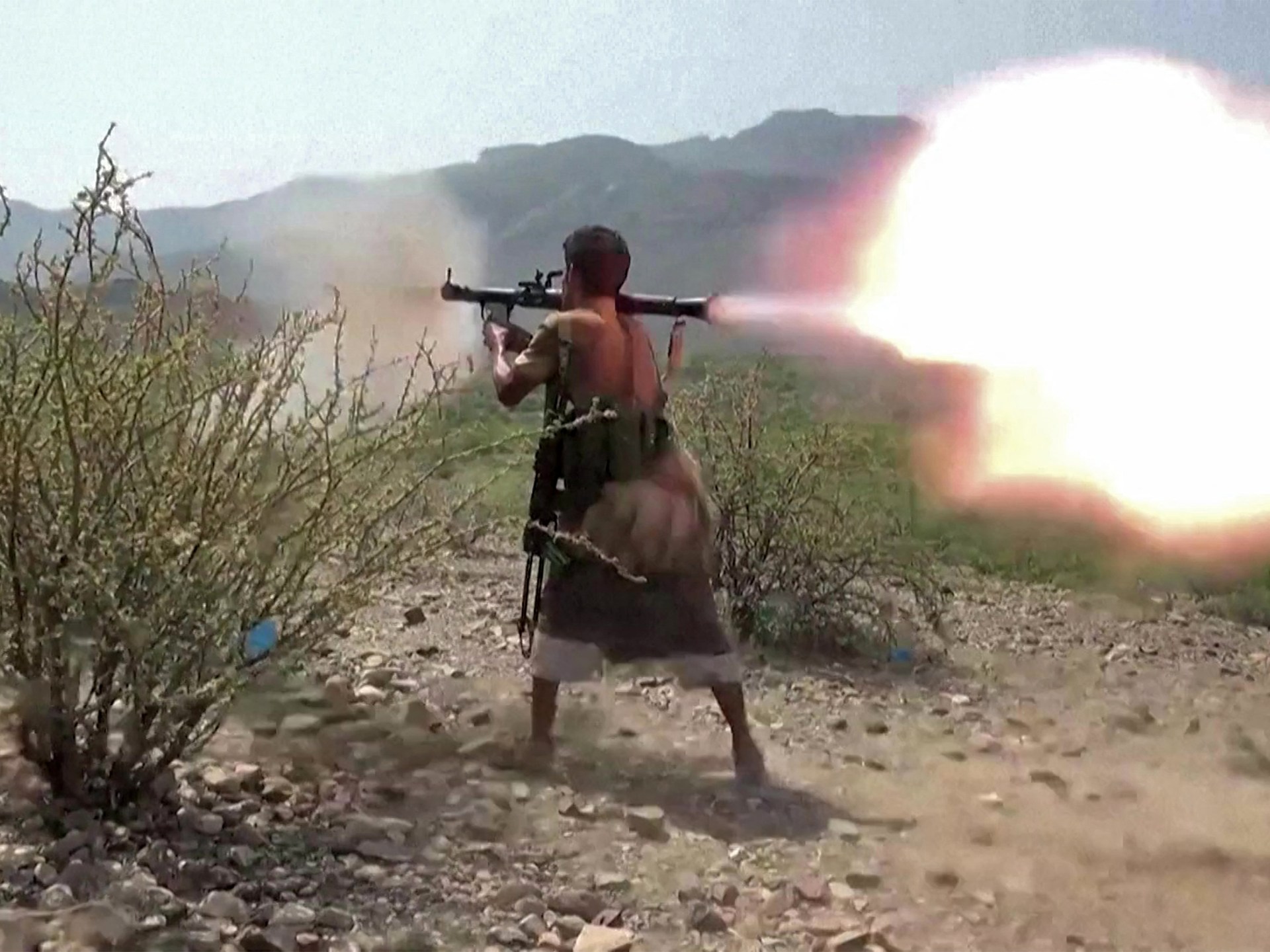
Saudi Arabia vowed to retaliate after Yemen’s Houthi movement launched drone and missile attacks on southern Saudi cities and energy facilities, wounding 73 people and forcing temporary halts at some oil operations, Saudi authorities said.
The attacks on Tuesday struck civilian and economic sites in Abha, Khamis Mushait, Jazan and Najran, according to Maj. Gen. Turki al-Maliki, spokesman for the Saudi-led coalition fighting in Yemen. He said women and children were among the injured.
Saudi Arabia’s Energy Ministry said “several energy sector facilities and installations” were targeted, triggering fires at multiple locations and disrupting some operations. Al Jazeera reported that southern Saudi Arabia includes key oil infrastructure such as the Jizan refinery, which can process 400,000 barrels of crude per day.
The Houthis said they had targeted Saudi Aramco energy sites in what their military spokesman, Yahya Sarea, described as “a broad operation” using drones and ballistic missiles. Sarea said the strikes were retaliation for recent Saudi attacks on Houthi-controlled areas in Yemen, accusing the Saudi military of carrying out more than 120 air strikes over three days in Marib, al-Bayda, Hudaydah, Taiz and Jawf provinces and committing “grave crimes.”
The group also accused Saudi Arabia of bombing a prison in al-Hazm, the capital of al-Jawf. The BBC reported that the Houthis said at least 11 people were killed and that 20 inmates were missing under rubble. Al Jazeera reported the Houthis said seven people were killed and seven injured. Riyadh did not immediately comment on the prison allegation, according to Al Jazeera.
Maliki called the Houthi attacks a “dangerous escalation that confirms the hostile and irresponsible approach of this terrorist militia” and said the Saudi-led coalition would “take all necessary operational measures to deter” the group.
Saudi Foreign Minister Prince Faisal bin Farhan al Saud said in Moscow that the kingdom “strongly condemns” the attacks. “The Houthis choose to prioritise their narrow interests over the interests of Yemen and resort to violence,” he said at a joint news conference with Russian Foreign Minister Sergey Lavrov. He added: “The road to diplomacy is not closed. Saudi Arabia will always support diplomatic solutions, but the kingdom will never hesitate to defend itself and its interests. We will use every tool to do our job and our duties.”
The escalation comes as fighting intensifies between the Houthis and Yemen’s internationally recognized, Saudi-backed government. The government announced counteroffensives against Houthi-held positions across several provinces on Monday, while the Houthis said they repelled advances and fired ballistic missiles at reinforcements in al-Jawf.
The renewed hostilities are the most serious since a United Nations-brokered truce halted large-scale fighting in 2022, Al Jazeera reported. The BBC said a four-year-old informal ceasefire began to unravel in July, when the Houthis announced a “maritime embargo” against Saudi Arabia and began attacks on Saudi airports, oil facilities and tankers in the Red Sea.
A key focus is the Bab al-Mandeb Strait, which connects the Red Sea to the Gulf of Aden. The BBC reported that heavy fighting on Yemen’s southwestern coast since Thursday has killed more than 300 people and displaced 18,500, as the Houthis seek control of the strategic waterway. The strait has grown more important for Saudi oil shipments because of Iran’s effective closure of the Strait of Hormuz.
Several countries condemned the Houthi attacks. Qatar called them a “reprehensible act of aggression,” Bahrain described them as “a dangerous escalation,” and Pakistan’s prime minister called the attack “cowardly.” Lavrov said the attacks were “counterproductive” and damaging to the global economy.




Be First to Comment