Key takeaways:
- Yemeni state media said air defenses shot down several Houthi drones over Marib on Friday after deadly attacks on government military sites a day earlier.
- Casualty reports from Thursday’s Houthi strikes ranged from 17 confirmed deaths by the Yemeni Joint Operations Command to at least 58 government troops killed, according to AFP.
- Saudi Arabia, Turkey and Pakistan signed a defense agreement stating that an armed attack on one of the three countries would be considered an attack on all.
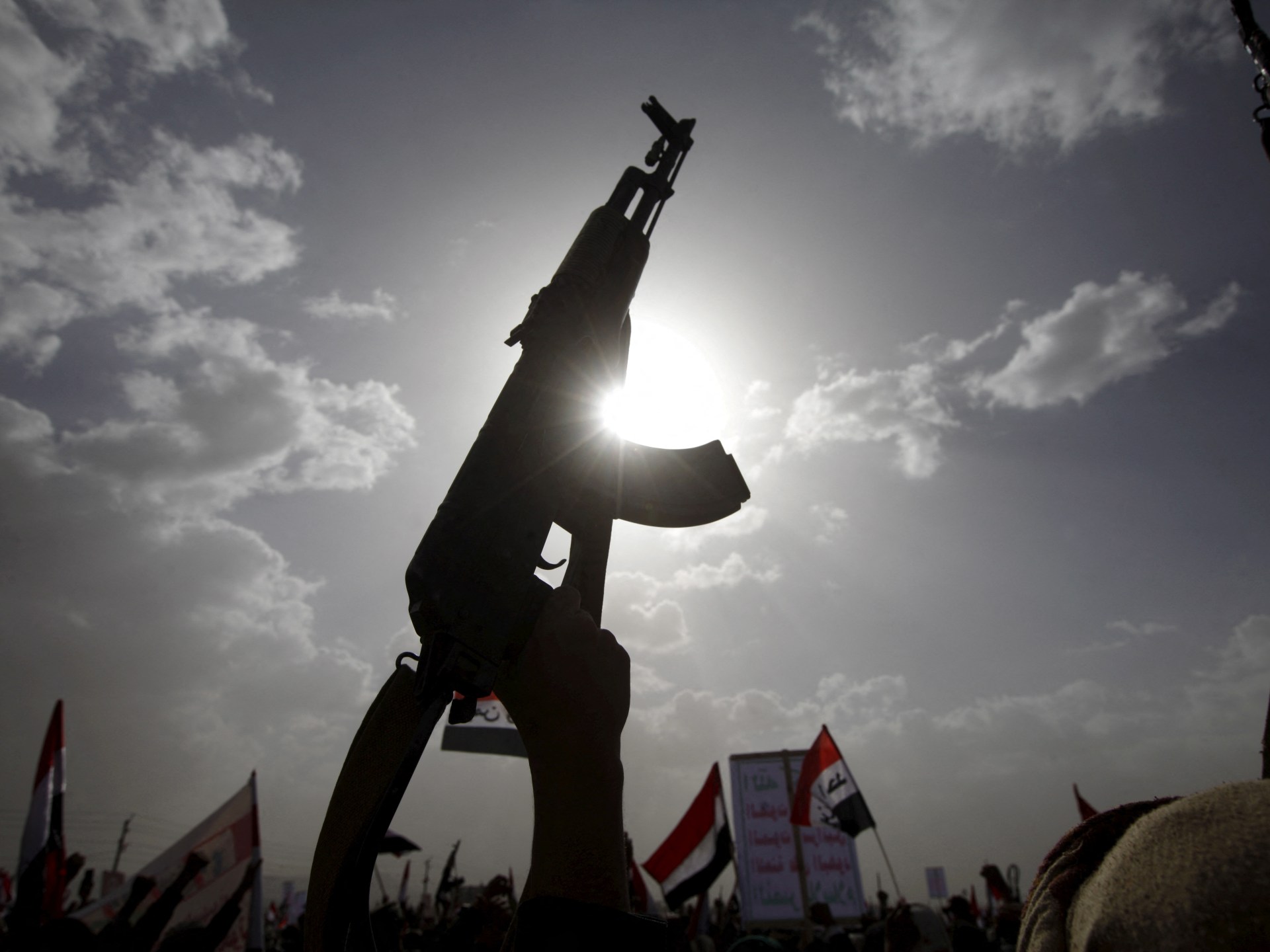
Houthi rebels launched a new wave of missile and drone attacks on Saudi-backed forces in Yemen and across the Saudi border, killing dozens of government troops and wounding civilians in one of the sharpest escalations of Yemen’s war in years.
Yemeni state media reported Friday that air defenses shot down several Houthi drones over Marib, a key eastern city held by Yemen’s internationally recognized government. Al Jazeera reported that the Houthis launched at least 12 fresh missile attacks on the provinces of Hadramout and Marib on Friday, after deadly strikes a day earlier on military sites linked to the Saudi-led coalition and Yemeni government.
Casualty figures varied. Yemeni government sources told Al Jazeera that at least 30 soldiers were killed and 15 injured Thursday when eight missiles fired from al-Jawf hit sites in Hadramout and Marib. A military source told AFP that at least 58 government troops were killed and dozens injured. The Saudi-backed Yemeni Joint Operations Command confirmed the deaths of 17 soldiers and officers.
The targets included camps belonging to several government military formations, including the Homeland Shield Forces, the Emergency Forces and the First Military Region in Hadramout, Al Jazeera reported. The First Emergency Division Command said casualties were high because troops had gathered for a morning training exercise.
Houthi military spokesman Yahya Saree said Thursday that the group had carried out a “large-scale and special military operation” targeting what he called Saudi military build-ups in Marib and Hadramawt. He claimed the operation killed and wounded hundreds of Yemeni soldiers and destroyed camps, weapons depots and equipment in the Al-Wadiah area of eastern Yemen. The Houthis have not issued a statement on the latest Friday attack reported by Yemeni state media.
The violence also crossed into Saudi Arabia. Saudi-led coalition spokesman Maj. Gen. Turki al-Maliki said 11 civilians were wounded in Houthi attacks on the southern Saudi city of Najran. The injured included seven Saudi nationals, among them a woman and a 4-year-old child, as well as one Yemeni, two Egyptians and one Pakistani. Some suffered second-degree burns.
Al-Maliki accused the Houthis of using indiscriminate projectiles against civilian areas, calling the strikes “a flagrant violation of international humanitarian law and its customary rules” through the deliberate targeting of civilians and civilian infrastructure. He said the coalition would take necessary measures to respond and protect civilians.
The Gulf Cooperation Council also condemned the Najran strikes. Secretary-General Jasem Mohamed Albudaiwi called them “terrorist attacks” and said, “Targeting civilians is a heinous crime and embodies the criminal approach of these militias.”
The attacks come as tensions between the Houthis and Saudi Arabia have grown since the U.S.-Israel war on Iran began. Al Jazeera reported that hostilities escalated July 13, when Yemen’s government attacked Sanaa airport to prevent an Iranian aircraft from landing. Yemen’s ambassador to the United Nations, Abdullah al-Saadi, said the plane was linked to Iran’s Islamic Revolutionary Guard Corps and carried “personnel, know-how, and military and dual-use equipment.”
The Houthis later launched missiles at Saudi Arabia, and Saree said that attack ended the “de-escalation phase” of Yemen’s war. On July 20, the Houthis imposed a maritime blockade on Saudi Arabia and attacked Saudi oil sites in Jizan and Yanbu, Al Jazeera reported.
Amid the regional tensions, Pakistan’s Foreign Ministry said Saudi Arabia, Turkey and Pakistan signed a defense agreement Friday during a meeting in Saudi Arabia among Crown Prince Mohammed bin Salman, Turkish President Recep Tayyip Erdogan and Pakistani Prime Minister Shehbaz Sharif. The ministry said the pact states that “any armed attack against any one of the three States shall be regarded as an attack against them all” and is intended to strengthen collective deterrence and defense cooperation.









Be First to Comment