Key takeaways:
- U.S. District Judge Deborah Boardman ruled Trump’s August birthright citizenship order is “almost certainly unconstitutional” as applied to the certified class.
- The order targeted children of “alien enemies,” foreign government employees and people accused of engaging in “birth tourism.”
- Boardman relied on the Supreme Court’s June decision in Barbara v. Trump, which held that the children covered by the case are citizens at birth.
A federal judge in Maryland on Wednesday blocked President Donald Trump’s latest attempt to narrow birthright citizenship, ruling that his August executive order is “almost certainly unconstitutional” after the Supreme Court rejected an earlier version of the policy.
U.S. District Judge Deborah Boardman issued a preliminary injunction barring enforcement of the order, which sought to deny automatic citizenship to certain children born in the United States. The order targeted people the administration described as “alien enemies,” foreign government employees and those accused of taking part in “birth tourism,” or traveling to the United States through a commercial transaction to give birth.
“The 2026 Executive Order is almost certainly unconstitutional as applied to the certified class for the simple reason that the Supreme Court in Barbara already decided that the children in the class are citizens at birth,” Boardman wrote. “This Court must, once again, preliminarily enjoin enforcement of the President’s most recent attempt to strip the right to citizenship from them.”
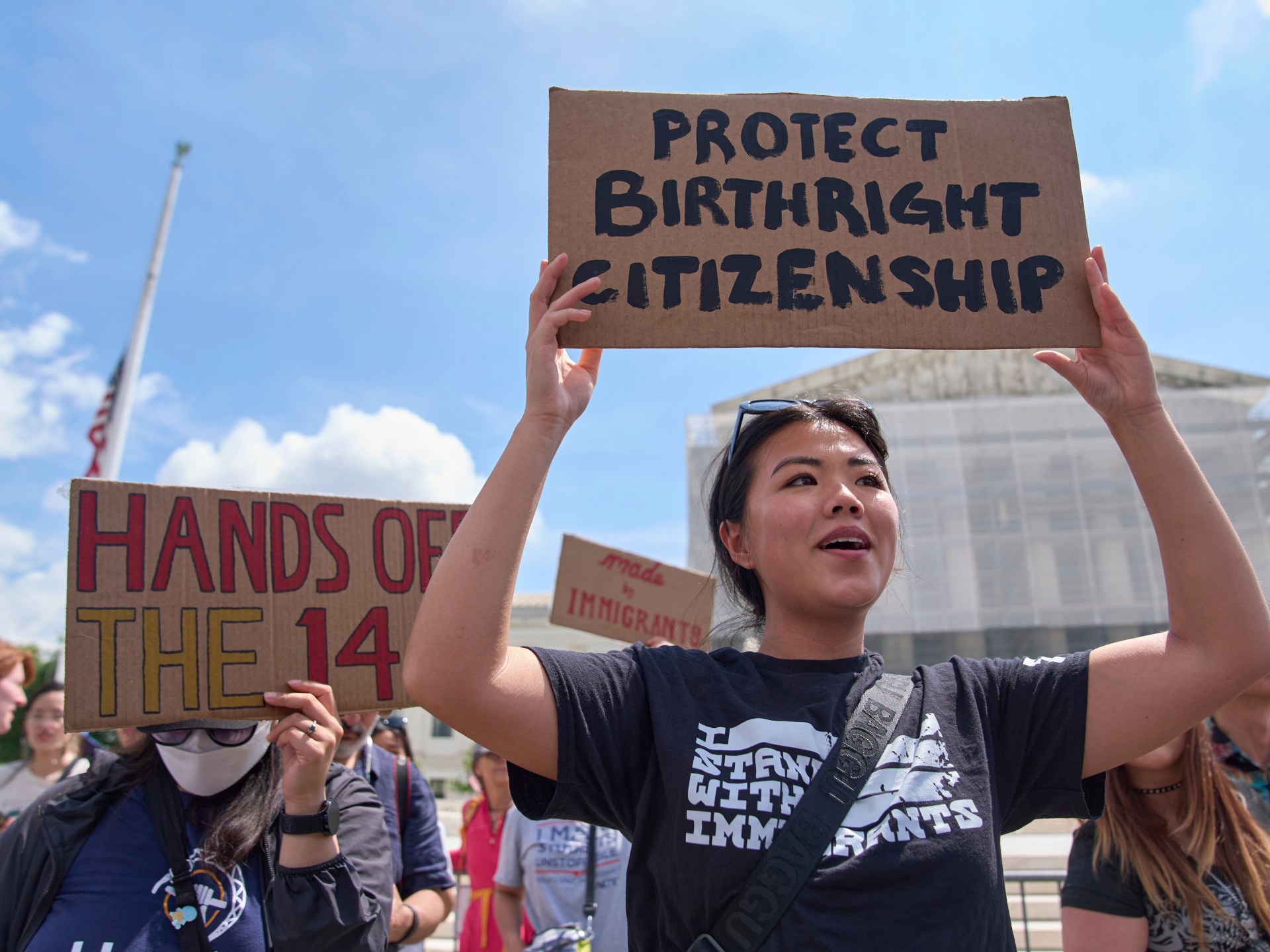
Boardman cited the Supreme Court’s June ruling in Barbara v. Trump, which held in a 6-3 decision that the children covered by the case are protected by the Citizenship Clause of the 14th Amendment. The amendment states: “All persons born or naturalized in the United States, and subject to the jurisdiction thereof, are citizens of the United States.”
Birthright citizenship generally grants U.S. citizenship to anyone born on American soil, with narrow exceptions that have included children of diplomats or invading armies. The Supreme Court has upheld the constitutional basis for birthright citizenship in past cases, including U.S. v. Wong Kim Ark, involving an American man born to Chinese parents.
Trump has pledged to crack down on immigration and has sought since returning to office to end or narrow birthright citizenship. His first executive order, signed at the start of his second term, attempted a broader rollback and drew immediate legal challenges. Opponents argued it violated the 14th Amendment. After the Supreme Court blocked that effort in June, Trump signed a narrower order on Aug. 6.
In Wednesday’s decision, Boardman wrote that “since his second term in office began on January 20, 2025, the President has tried, through Executive Order, to upend our country’s longstanding tradition of birthright citizenship and eliminate, for large swaths of Americans, the right to citizenship by birth.”
The case was brought by immigrant families and advocacy groups, including CASA and the Asylum Seeker Advocacy Project. Boardman had previously denied a request to block the August order because the complaint still referred to Trump’s earlier 2025 order. She told the plaintiffs to revise their complaint, while signaling skepticism about the new order.
“This is different,” Boardman said last week, comparing the August order with the first one. “This is unprecedented.” She also said Trump appeared to be “trying to rewrite the carve-outs to birthright citizenship with the stroke of a pen.”
Justice Department lawyers argued that the Supreme Court’s June ruling did not bar the administration from issuing rules that narrow birthright citizenship. According to CBS News, government attorneys said the ruling found only that children of temporary or undocumented immigrants “are not disqualified from birthright citizenship” and “never suggested that every child born to such parents is per se a citizen, with no exceptions.”
Lawyers for the plaintiffs argued that the recognized exceptions are narrow and that the executive order unlawfully sought to expand them. “The President has no power to unilaterally rewrite the Constitution, and he should be enjoined from denying citizenship to the members of the certified class under this or any other Executive Order,” they wrote.
NBC News reported that the State Department has proposed requiring parents to provide proof of their own citizenship or immigration status when applying for passports for their children. The White House did not immediately respond to requests for comment from NBC News and CBS News.






Be First to Comment