Key takeaways:
- Nepal reported 469 confirmed deaths and 977 missing, while Chinese authorities reported at least three deaths and 558 missing in Tibet, according to Al Jazeera.
- China warned that a newly formed barrier lake near the Nepal-Tibet border could breach after accumulating roughly 2 million to 2.5 million cubic metres of water, with another 3 million cubic metres expected.
- Rescue operations near Gyirong Port were paused because the overflowing barrier lake and mudslide risks could trigger further floods or debris flows.
China warned Friday that a newly formed barrier lake near the Nepal-Tibet border is at “high risk” of breaching, raising fears of a second flood after a glacier collapse sent ice, rock and mud through Himalayan river valleys, killing more than 470 people.
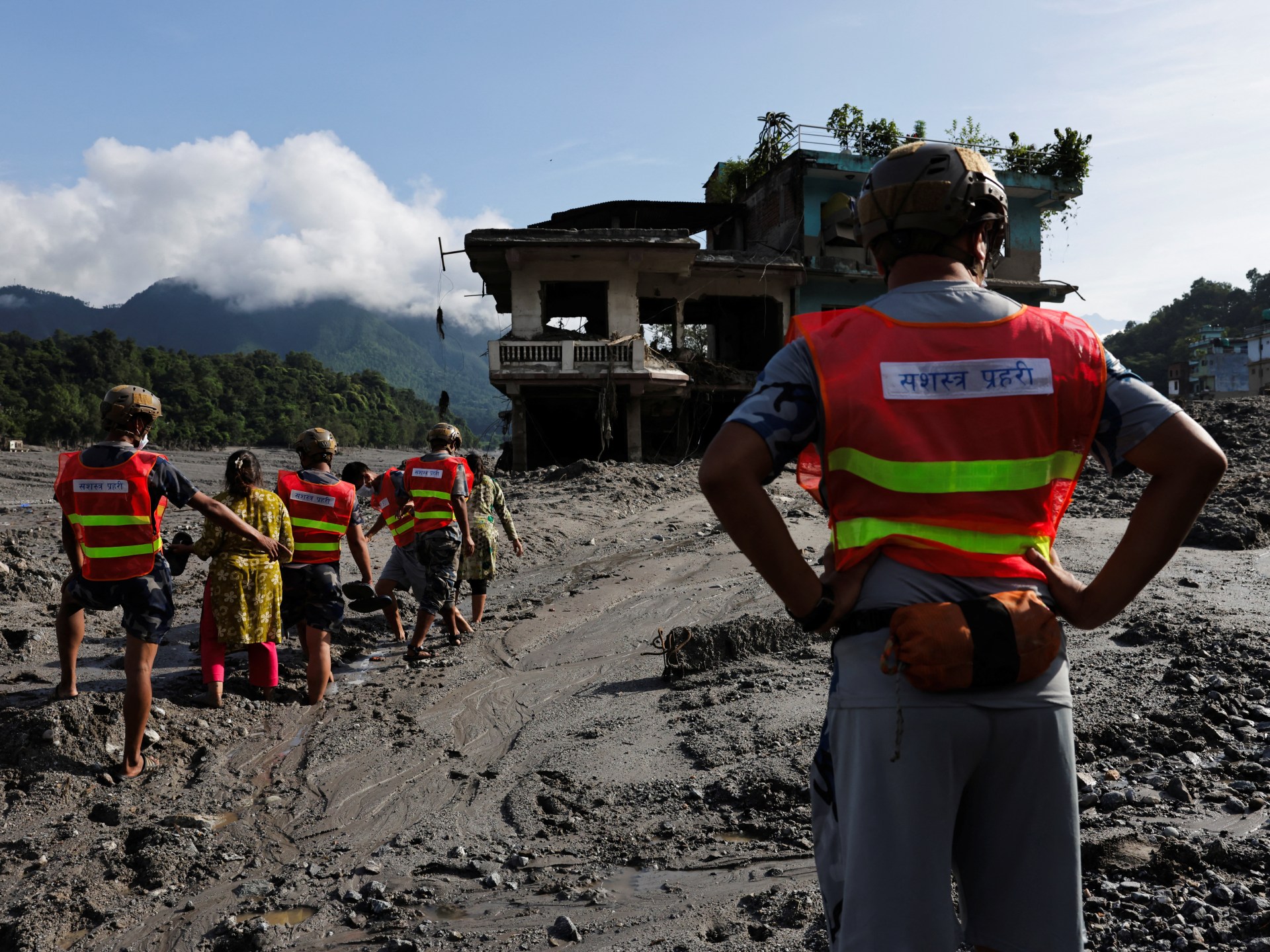
The flash flood struck Wednesday, devastating communities on both sides of the border, destroying roads, bridges and hydropower plants, and cutting off access to remote valleys. Nepal’s Prime Minister’s Office said Friday that 469 people had been confirmed dead and 977 remained missing, according to Al Jazeera. Chinese authorities reported at least three deaths in Tibet and 558 people missing. Nepalese authorities said 644 of those missing in Nepal are foreigners, and about 1,550 people have been rescued.
Scientists have said Wednesday’s flood was likely caused by part of a glacier near the Langtang Lirung peak collapsing into a river below, triggering a massive downstream surge of water and debris. The BBC reported that several hundred people have died in Nepal, with hundreds more missing, and that on the Tibet side of the border alone more than 550 people are missing, nearly half of them foreigners.
The emerging danger is a barrier lake formed when debris dammed a river near the confluence of the Chhochen Khola and Purepu Tsangpo rivers, several kilometres upstream from Gyirong Port, the major land crossing between Nepal and China. Barrier lakes form when landslides or flood debris block a river, trapping water behind a natural dam.
China’s state broadcaster CCTV said Friday morning that the lake held an estimated 2.5 million cubic metres of water, while Al Jazeera reported Chinese authorities put the volume at about 2 million cubic metres. Officials said another 3 million cubic metres of water was expected to flow into the lake between Thursday and the weekend, creating a high risk that it could breach. China’s Ministry of Water Resources said the lake had already begun to overflow, and the area has also seen heavy rain.
The risk has disrupted rescue operations. CCTV reported that many Chinese emergency crews were stuck at a village about 7km from Gyirong Port because the barrier lake was “overflowing non-stop,” creating the danger of fresh floods or debris flows. Search and rescue operations near the Nepal-Tibet border were suspended, the report said. Al Jazeera reported that rescue and military teams trying to reach Gyirong, where buildings are buried under 1.5 metres of mud, were ordered to pause work over fears of a mudslide.
Bishal Nath Upreti, president of the Nepal Centre for Disaster Management, told Al Jazeera the situation for stranded people was “extremely difficult” because roads had been erased. “Almost 42km [26 miles] of road is completely wiped out, and, except the helicopters, the rescuers cannot go there,” he said. He said about 800 people had been rescued by helicopter and around 700 by land, with aid being airlifted to survivors.
“They are very desperate now,” Upreti said. “It’s already over 72 hours now and people are really desperate for … shelter and food.”
Nepal has deployed 30,000 security personnel to search remote valleys, Al Jazeera reported. China has sent about 500 military and paramilitary personnel and Premier Li Qiang to supervise operations.
Nepal’s Foreign Ministry said Friday the country did not need international help with search operations. “The offer for help is natural. Our security agencies are doing the search and rescue operation. For now we don’t require such help,” spokesperson Lok Bahadur Chhetri said. Al Jazeera reported that Nepal was seeking other forms of support, including possible cash assistance.
Nepali authorities have separately warned that blockages could cause further flooding along the Bhote Koshi and Trishuli rivers and urged people to stay away from river areas until further notice.




Be First to Comment