Key takeaways:
- Trump said any country whose institutions, businesses, airports or government entities help Iran will face “TREMENDOUS Economic Consequences.”
- The threat follows the expiration of a 60-day ceasefire with Iran and appears to expand Operation Economic Fury, launched in April.
- The UAE suspended financial and economic ties with Iran after saying two Iranian ballistic missiles targeted maritime traffic; Tehran denied the claim.
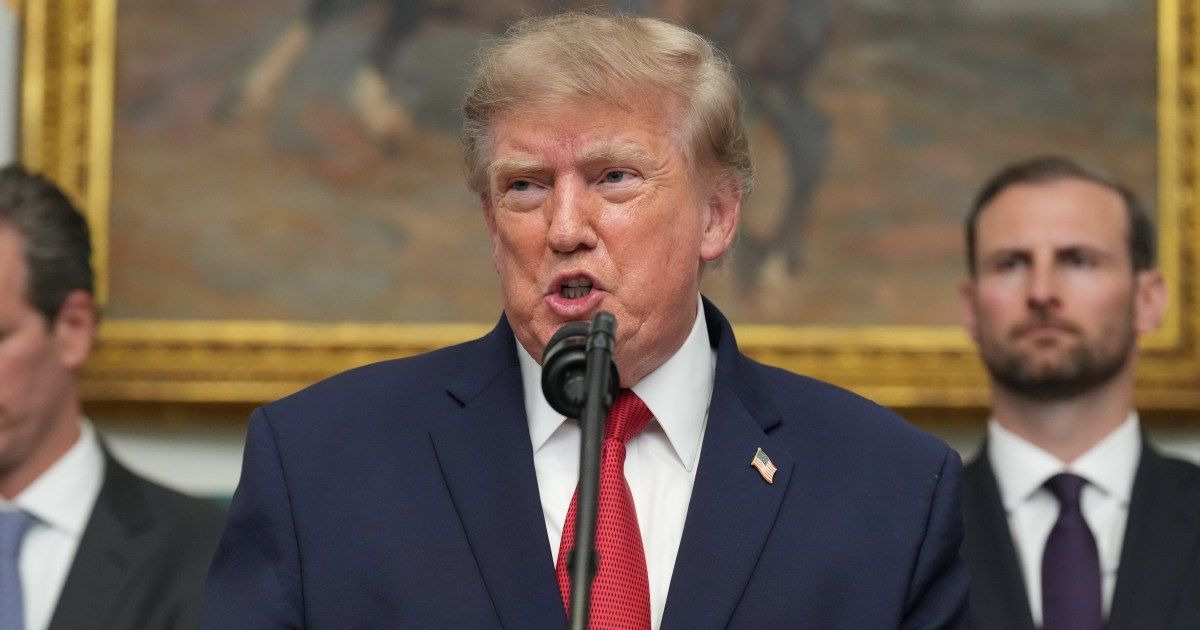
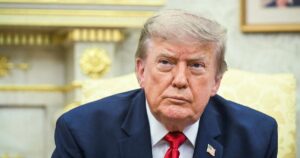
President Donald Trump threatened to impose “TREMENDOUS Economic Consequences” on any country that helps Iran, announcing what he called “the most crushing economic operation ever taken against any country” as efforts to end the more than five-month war remain stalled.
In a Truth Social post on Wednesday, Trump said Iran had “failed to take” the opportunity to make a deal with the United States and would face “economic warfare and isolation on an unprecedented scale.” He did not name specific countries or spell out what penalties they could face.
“ANY country that allows its financial institutions, businesses, airports, or government entities to provide any type of lifeline to Iran will itself face TREMENDOUS Economic Consequences,” Trump wrote. “Oil smuggling, swap lines, cash transfers, exchange houses, ship registries, front companies — it all needs to stop NOW. You know who you are. This will be an ECONOMIC D-DAY, and we need all of our Allies to stand with the United States of America to isolate, and defeat, the Iran threat.”
The announcement came after a 60-day ceasefire with Iran expired on Monday, with no clear diplomatic or military path out of the conflict, which the BBC reported the United States and Israel began at the end of February. It also appeared to expand Operation Economic Fury, a pressure campaign launched in April to isolate Tehran and block revenue streams through sanctions, restrictions on foreign entities doing business with Iran and a naval blockade aimed at stopping exports.
The United States has already imposed broad sanctions on Iran’s oil, shipping and financial sectors and targeted companies, brokers and tankers accused of helping Tehran sell oil abroad. Last week, Treasury Secretary Scott Bessent said the United States would soon impose economic isolation on Iran “like the world has never seen before,” the BBC reported.
There was no immediate response from Iranian officials to Trump’s latest post. Iranian media dismissed the threat. State broadcaster IRIB said it followed “the failure of military aggression,” while the semi-official Tasnim news agency said the announcement was “not a new development” because the United States had tried for years to block Iran’s financial and economic ties. Tasnim said Iran had “learned how to circumvent these restrictions and has become very skilled at doing so.” The semi-official Fars news agency called Trump’s claims “delusional.”
Trump’s post came hours after the United Arab Emirates, a key trade partner for Iran and a U.S. ally, suspended all financial and economic ties with Tehran. The UAE’s defence ministry said it had detected two ballistic missiles launched from Iran toward maritime traffic, both of which landed in the sea. Tehran denied the claim, calling it a “false-flag operation.” Iran’s armed forces later warned Gulf neighbours against supporting the U.S. military, saying assistance to U.S. forces would be considered collusion.
Analysts cited by Al Jazeera said possible U.S. targets could include China, Iraq and Turkiye. Nader Habibi, a Middle East economics professor at Brandeis University, said Washington could target Chinese financial institutions that serve independent “teapot” refineries, which he described as “the last group still purchasing Iranian oil.” But he said China’s government had warned Chinese entities not to cooperate with U.S. sanctions.
Brett Erickson, managing principal at Obsidian Risk Advisor, told Al Jazeera that Chinese banks were “far and away the most consequential lever that Trump could pull,” though he said time remained the biggest constraint for the economic pressure to produce results.
The BBC reported that Trump also earlier this week threatened to bomb Oman, a U.S. ally, if it “gets in the way” of his administration’s talks with Iran. The United States and Oman have been negotiating separately with Tehran to reopen the Strait of Hormuz, where disruption has affected traffic and pushed up global energy prices. About 20% of the world’s crude oil and liquefied natural gas usually passes through the strait.








Be First to Comment