Key takeaways:
- Jason Arday, 41, was found dead Friday at an address in Battersea, south London; police described the death as unexpected but not suspicious.
- Arday resigned from Cambridge last week after plagiarism allegations and questions about his achievements, denying plagiarism while acknowledging errors in his work.
- Cambridge has announced an independent investigation into Arday’s appointment, while Liverpool John Moores University concluded he had not plagiarised work.
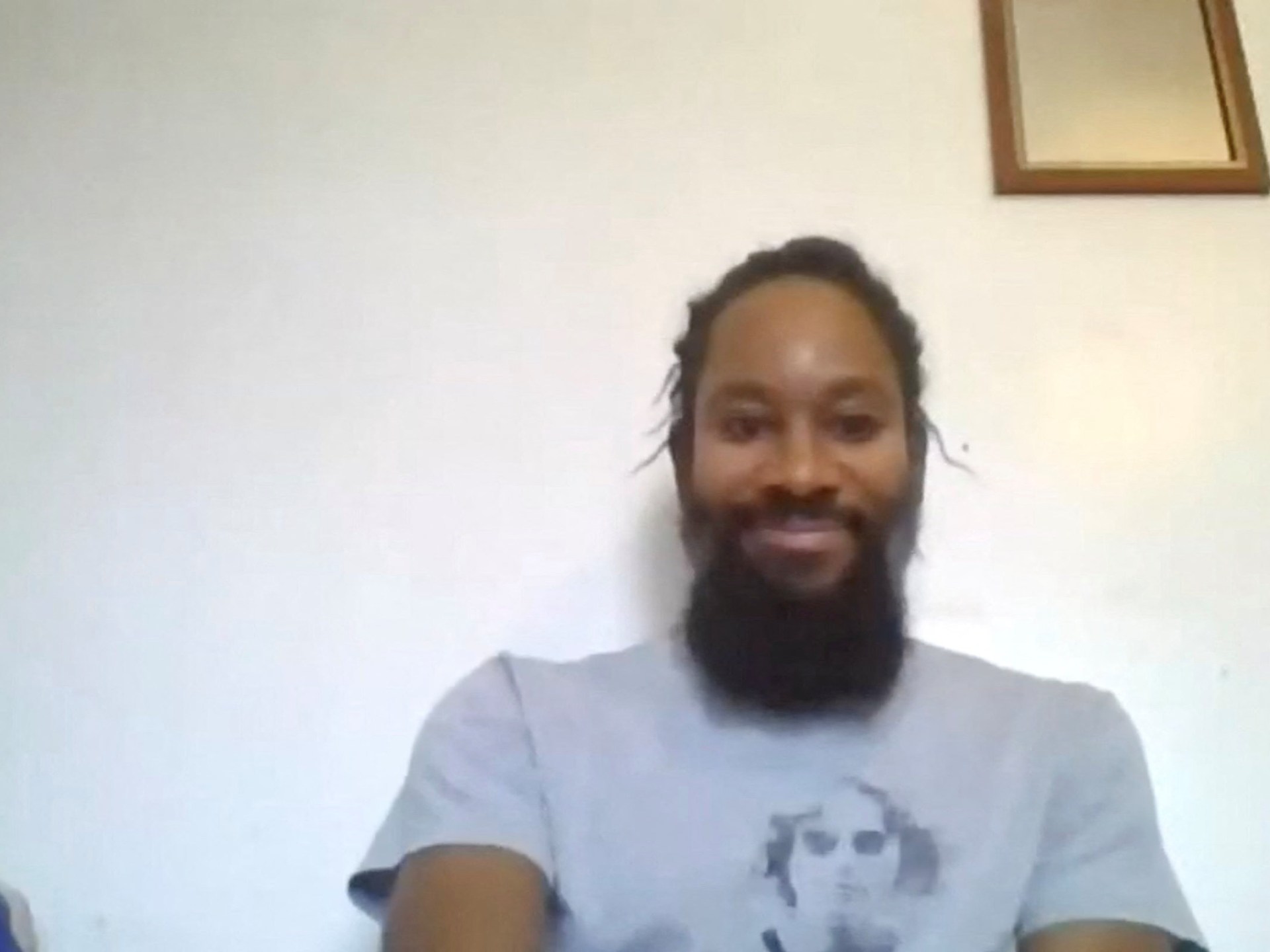
Prime Minister Andy Burnham called the death of former Cambridge professor Jason Arday “a tragedy on so many levels” Saturday, after the 41-year-old academic was found dead in south London following days of intense scrutiny over plagiarism allegations and questions about his achievements.
Arday was found at an address in Battersea on Friday afternoon. Police described his death as “unexpected” but not suspicious, Al Jazeera reported.
“It’s not a moment for any rushing to judgement. It’s a moment for reflection, I would say, reflecting on how things came to this,” Burnham told broadcasters during a visit to Cornwall.
In a statement issued by Simon & Schuster UK, Arday’s family said they were “in shock to have lost this amazing father, partner, brother, uncle and son”. They said a “campaign of misinformation” had been too much for him.
Arday resigned last week as Cambridge professor of sociology of education after allegations of plagiarism and questions about parts of his life story. He denied plagiarism, while acknowledging errors in his work, and said the controversy had brought “an unrelenting level of public scrutiny and personal attack”.
“While criticism is an inevitable part of academic life, what I have experienced has gone far beyond scholarly disagreement,” Arday said when announcing his resignation. “The relentless accusations, speculation and public commentary have taken a profound toll on me and on those I love.” He said his resignation should not “be mistaken for an acceptance of the narratives that have surrounded me”.
Cambridge vice-chancellor Prof Deborah Prentice said the university was “desperately saddened” by his death. “Our heartfelt sympathies go to Jason Arday’s family and friends at this incredibly difficult time,” she said. In a separate statement quoted by Al Jazeera, Prentice said her “deepest condolences” were with Arday’s loved ones and also with “colleagues and students who worked with Jason in the Faculty of Education, and at Jesus College where he was a Fellow.”
Friends and colleagues described Arday as devastated in the days before his death. Eamonn McCrystal, who knew him from St Mary’s University, Twickenham, told the BBC that Arday had said he felt “destroyed” and that his authorisation to travel to the US had been revoked. McCrystal said he tried to reassure him that the situation would pass, but Arday replied: “it does not feel like it will.”
“He was the nicest person. So kind and such a gentle soul,” McCrystal said. “I’m in shock, I can’t believe it.”
Prof Simon Baron-Cohen, director of the Autism Research Centre at Cambridge, told BBC Radio 4’s Today programme that Arday had been “bombarded by every media outlet to paint him as a fraud”. He said he spoke to Arday the morning of his death and that Arday felt unable to leave the house.
The case has triggered wider criticism of Arday’s treatment. London Mayor Sadiq Khan said Arday faced “an unacceptable public hounding and campaign of abuse” and “a pernicious public shaming”. Jo Grady, general secretary of the University and College Union, said the “level of harassment he suffered and the racism he was subjected to has been sickening” and “must be investigated”.
NewsCord, a media watchdog, found that at least 188 articles about Arday had been published over nine days, Al Jazeera reported. The organisation said tens of thousands of complaints about his treatment by the press had been filed with IPSO.
The plagiarism row began after Nathan Cofnas, a self-described “race realist” who was sacked from Cambridge in 2024, said he found numerous instances of plagiarism in Arday’s work. Arday said some errors in his early academic work arose because of his autism, saying he relied on mimicry to make sense of information. He also said similar scrutiny would find similar errors in other academics’ work.
Questions were raised about claims that Arday ran 600 miles in six days and raised £5.5 million for charity. He later said the run took 12 days with rest days, and that the fundraising total was achieved with others.
Cambridge has announced an independent investigation into the circumstances of Arday’s appointment. Liverpool John Moores University, which awarded Arday his PhD in 2015, concluded that he had not plagiarised work.









Be First to Comment