Key takeaways:
- Trump told Axios the U.S. is “semi-negotiating” with Iran and will allow economic pressure to build on Tehran.
- Iran said the Strait of Hormuz will not reopen until the U.S. lifts its blockade and meets demands including compensation, sanctions relief and release of frozen assets.
- Iranian-backed Houthi rebels attacked Yemen’s government-held port city of Mocha twice in 24 hours, with at least seven people killed in the earlier strike.
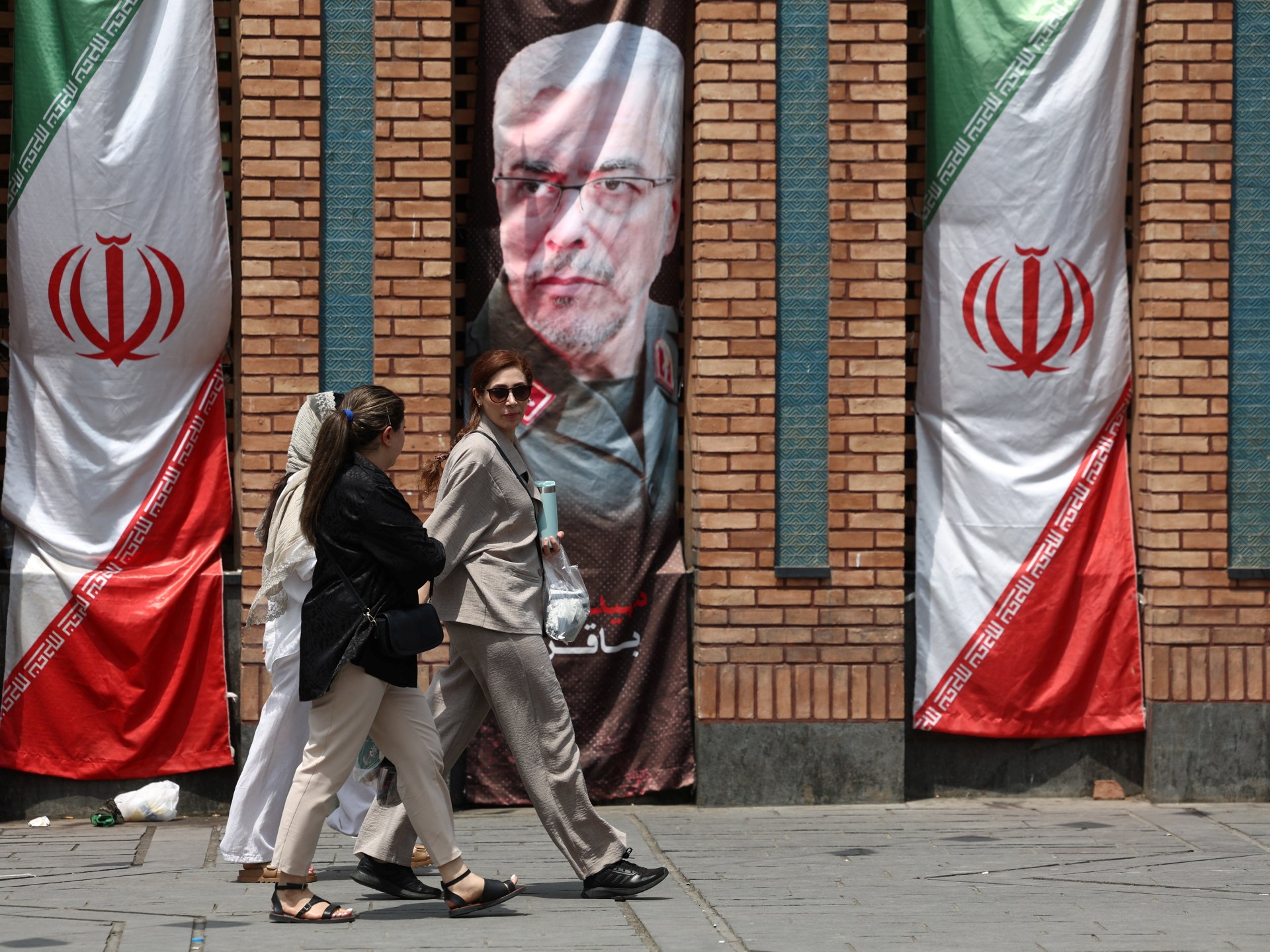
President Trump said the United States is only “semi-negotiating” with Iran as Tehran laid out demands for reopening the Strait of Hormuz, including an end to the U.S. naval blockade and compensation for war damage.
“We are only semi-negotiating with them. We are just watching Iran with its huge inflation and the fact they have no money,” Trump told Axios on Sunday in a phone interview, according to CBS News. He said Iran is in “very bad shape” and that the U.S. blockade on the Strait of Hormuz has worsened the country’s economy.
“It will work out. It always works out. It’s like a chess game,” Trump said.
Iran has denied that it is negotiating directly with Washington. Foreign Minister Abbas Araghchi told journalists Sunday that Tehran is not engaged in talks with the United States. “Yes, there is an exchange of messages through intermediaries, but this is not called negotiations,” he said. Araghchi said there was “no possibility” of resuming negotiations until the U.S. “compensates” for violations of the memorandum of understanding.
Iranian Foreign Ministry spokesperson Esmaeil Baghaei said Monday that reopening the Strait of Hormuz depends on the United States ending its blockade on Iran. At a weekly press briefing, Baghaei said talks with Oman would determine the future route for shipping traffic, but that the strait would not reopen until Washington lifts the blockade.
Iran’s Supreme National Security Council also issued demands for reopening the waterway. Mohammad Bagher Zolghadr, the council’s secretary and a commander in the Revolutionary Guard, said the United States must “correct its behavior,” according to Iran’s state broadcaster. The demands include a pledge that the U.S. never threaten Iran again, a permanent end to the war with Iran and its armed allies in the region, the lifting of the naval blockade on Iranian ports, the withdrawal of U.S. forces from the area, full compensation for war damage, the lifting of sanctions and the “unconditional” release of frozen assets.
Baghaei also said a joint defense agreement signed last week by Saudi Arabia, Pakistan and Turkey showed a shift in how regional countries view U.S. security commitments. Middle Eastern countries “have realized that security is not a commodity that can be purchased from false brokers of security,” he said. “Countries in the region cannot rely on the claim of security provided by the US as in the past.”
The tensions over the Strait of Hormuz came as Iranian-backed Houthi rebels in Yemen attacked the government-held port city of Mocha late Sunday, the second strike on the Red Sea coast city in less than 24 hours. A Houthi military source told the Houthi-controlled Al-Masirah TV that the attack targeted weapons depots and Saudi troop concentrations.
A statement from the Yemeni Armed Forces posted on X said residential neighborhoods were targeted by ballistic missiles and drones, and that air defenses intercepted some drones. In an earlier attack Sunday, the Yemeni government-allied National Resistance Forces said at least seven people — four troops and three civilians — were killed and 15 civilians were injured.
Fayed al-Noman, the information ministry’s assistant undersecretary, said port buildings, piers, commercial goods and food supplies were severely damaged. Houthi military spokesperson Yahya Saree said the group also targeted an Aramco refinery in the Saudi city of Jazan with a drone in response to Saudi drones breaching Yemeni airspace over Hajjah and Saada provinces.
Separately, Israeli Prime Minister Benjamin Netanyahu rejected a U.S.-backed 15-point Gaza peace plan on Sunday and said Israel would not withdraw until Hamas is “genuinely” disarmed. “Israel rejects the 15-point document,” he said at a cabinet meeting, adding that the military “will not make any withdrawal until Hamas is truly disarmed and will continue to thwart threats against our forces and citizens.” Trump had hailed the plan last month as “historic.”



Be First to Comment