Key takeaways:
- Novo Nordisk filed a lawsuit Tuesday in U.S. District Court in New Jersey accusing Eli Lilly of false advertising over GLP-1 drug comparisons.
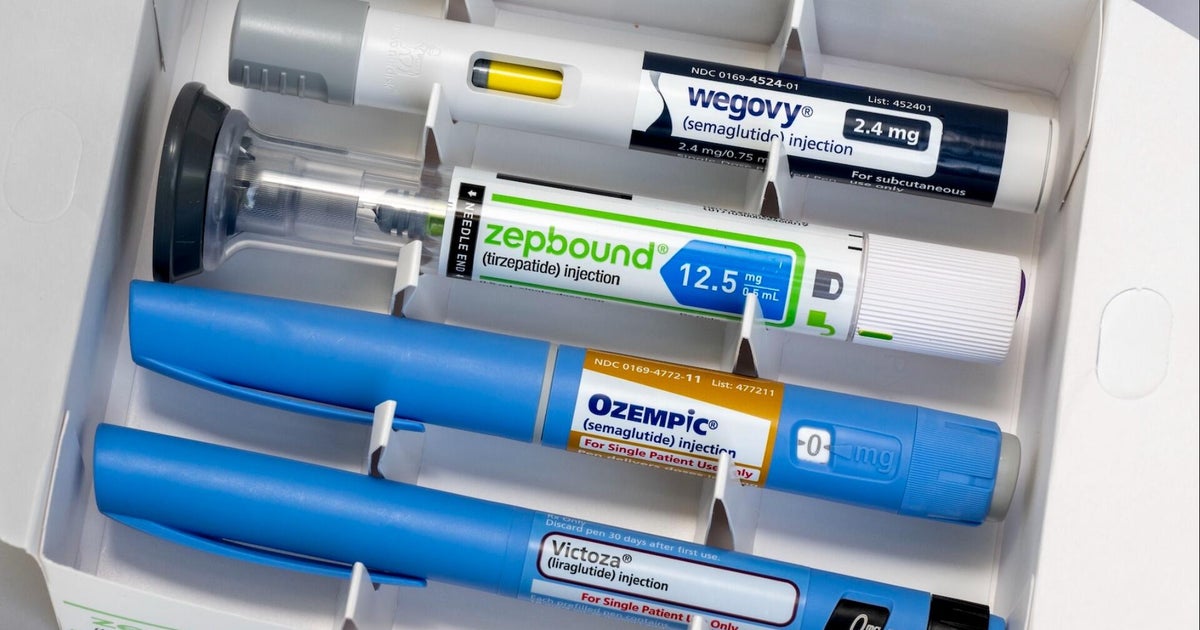
- Novo alleges Lilly compared its highest approved doses of Mounjaro and Zepbound with lower doses of Ozempic and Wegovy while omitting newer, higher-dose Novo options.
- Eli Lilly said its advertising is “truthful,” “transparent” and “grounded in the most direct scientific evidence available.”
Novo Nordisk has sued Eli Lilly, accusing its chief rival in the weight-loss drug market of running national advertising campaigns that falsely suggest Lilly’s GLP-1 medicines outperform Novo’s treatments.
The Danish maker of Wegovy and Ozempic filed the lawsuit Tuesday in U.S. District Court in New Jersey, alleging that Eli Lilly used outdated clinical trial data to promote Zepbound and Mounjaro as superior to Novo’s drugs for weight loss and Type 2 diabetes treatment.
“In both cases, the ads are maliciously and deceptively false because Lilly knowingly cites outdated clinical trials that compare the highest doses of the Lilly medicines to lower doses of Novo Nordisk’s medicines,” the lawsuit says, according to CBS News.
Novo claims Lilly’s advertising compares the highest approved doses of Mounjaro and Zepbound with lower doses of Ozempic and Wegovy, while omitting or minimizing newer, higher-dose options for Novo’s medicines that have been approved by the Food and Drug Administration. Novo says those newer doses can help patients achieve greater weight loss and better blood sugar regulation.
The lawsuit alleges Lilly’s campaigns were designed to “create the misleading impression that Eli Lilly’s medicines are superior,” the BBC reported. Novo says the ads “intentionally” selected outdated studies and buried or omitted “critical clinical context.” The company alleges the comparisons at issue involve Mounjaro versus Ozempic and Zepbound versus Wegovy.
Novo also argues that Lilly acknowledges a higher Wegovy dose only in small footnotes that the lawsuit describes as “ambiguous” and “virtually invisible,” according to CBS News. The company says such disclaimers are not enough to correct the impression left by major national advertisements.
“As new and more effective treatment options become available, people deserve accurate information that reflects the latest scientific evidence and helps them make informed care decisions,” John F. Kuckelman, Novo Nordisk’s senior vice president and group general counsel, told the BBC.
“Healthcare companies have a responsibility to keep their public claims accurate and current — ineffective, fine-print disclaimers do not fix the misleading impression created by major national campaigns,” he said.
Novo alleges Lilly committed “multiple violations” of federal and state false advertising and unfair competition laws. The company is seeking a court order requiring Lilly to pull the ads and run what Novo described as a “corrective advertising campaign.” Novo said that if Lilly does not voluntarily remove the commercials, it plans to seek a preliminary injunction in the coming days to block them.
Eli Lilly rejected the allegations in a statement to CBS News and said it stands behind its advertising.
“It is truthful, it is transparent, and it is grounded in the most direct scientific evidence available — exactly what patients deserve,” the company said. “We will continue to focus on the science and defend against this lawsuit vigorously.”
The legal fight comes as Novo Nordisk and Eli Lilly compete for dominance in the rapidly expanding market for GLP-1 drugs, a class of medicines that has grown sharply in popularity for weight loss. A June Gallup study found that 15% of U.S. adults reported having used the medicine for weight loss at some point, up from 12% last year.
Analysts have estimated that the weight-loss drug industry, particularly in the United States, could be worth more than $100 billion by 2030, the BBC reported.















Be First to Comment