Key takeaways:
- DHS letters alleged 190,832 potential noncitizen registrants in California, 35,152 in New Jersey, 15,903 in Nevada and 14,576 in Pennsylvania.
- The administration has not publicly released its methodology, and experts said commercial or immigration database matching can generate false positives.
- State officials in Pennsylvania, Nevada and California said they would review evidence or disputed the claims, while noting noncitizen voting is extremely rare.
Election experts and state officials are challenging the Trump administration’s claim that more than 250,000 noncitizens are registered to vote in four states, saying the federal government has not publicly shown how it reached the figure and may be relying on data that can misidentify eligible voters.
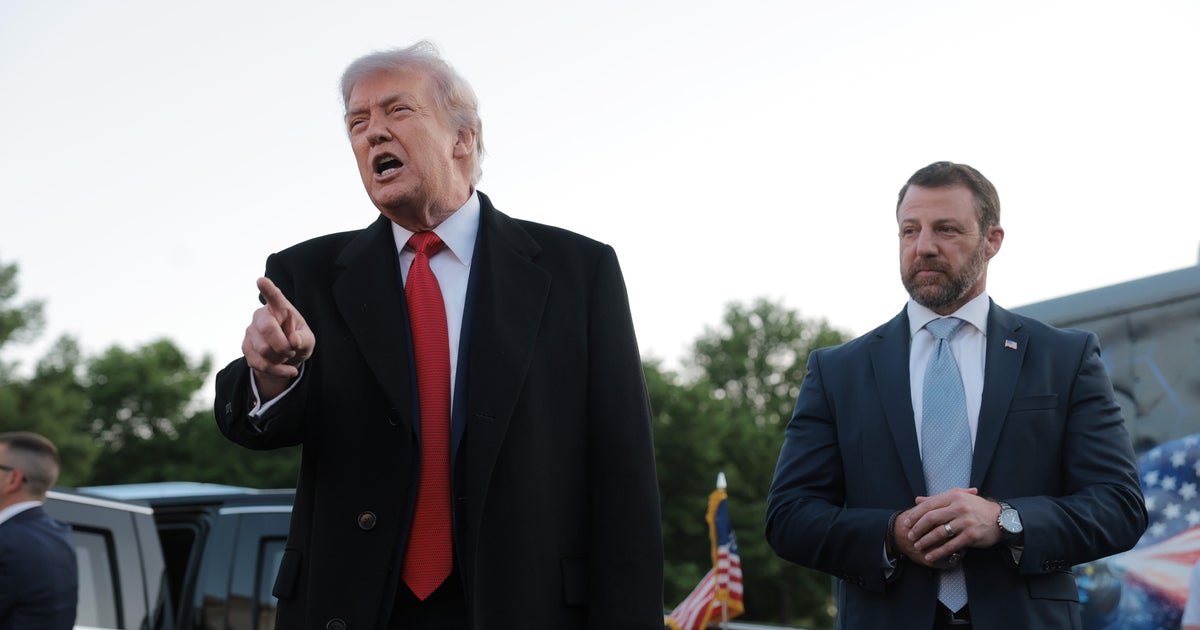
President Donald Trump said Thursday that “more than a quarter of a million foreigners illegally registered to vote” in four Democratic-run states. Homeland Security Secretary Markwayne Mullin repeated the claim Friday, identifying the states as California, Pennsylvania, New Jersey and Nevada. The Department of Homeland Security said those states have not complied with administration demands to provide voter data to the federal government.
In letters to election officials, Mullin said DHS had identified “over 250,000 potential non-citizens illegally registered to vote,” including 190,832 in California, 35,152 in New Jersey, 15,903 in Nevada and 14,576 in Pennsylvania. DHS said “preliminary reviews” of the states’ records produced those figures and asked the states to “confirm their intentions to collaborate with DHS in order to ensure free, fair, and honest elections.”
The administration has not made public its methodology. A White House official told reporters Thursday the 250,000 estimate was based on an analysis of commercial databases, CBS News reported. The Guardian reported that a one-page DHS document and Mullin’s letters said the figure came from running public voter information through a DHS immigration database created to verify eligibility for federal benefits.
Election specialists said either approach can produce false matches. David Becker, executive director and founder of the Center for Election Innovation and Research, told CBS News that commercial data is likely to significantly overestimate the number of potential noncitizens on voter rolls. “I guarantee you, that data includes a ton of people, maybe even a majority of people, who are absolutely eligible voters, and states would probably be breaking the law if they remove those voters from the rolls,” Becker said.
Becker also said, according to Democracy Docket as reported by The Guardian, that the “250,000 number is an irresponsible number to share given the opaque methodology that they claimed here.”
One concern is that naturalized citizens, who once lived in the United States as noncitizens, can appear in older immigration records as ineligible to vote. The Guardian reported that the Campaign Legal Center successfully sued Alabama in 2024 for purging naturalized citizens from voter rolls because they had previously been issued noncitizen identification numbers by DHS. The Associated Press reported in May on a naturalized citizen in Texas whose registration was canceled after he was flagged as a potential noncitizen when the state ran its voter file through the DHS verification system.
State officials in the four targeted states pushed back or asked for more information. Pennsylvania Secretary of State Al Schmidt, a Republican, said the state’s voter rolls are “properly maintained and updated” and that Pennsylvania would review any DHS information. “All evidence has shown that noncitizen voting is extremely rare across the country, including in Pennsylvania,” he said.
Nevada Secretary of State Francisco Aguilar, a Democrat, called the allegations “wildly speculative at best” and said DHS “hasn’t shared anything that backs it up.” California Secretary of State Shirley Weber, a Democrat, said the state would review the federal methodology but added that the information released so far “do not inspire any level of confidence in the methodology used or the conclusions reached.”
Federal law bars noncitizens from voting in federal elections, and no state allows noncitizens to vote in statewide contests, according to the Bipartisan Policy Center. Municipalities in three states and the District of Columbia allow noncitizens to vote in some local elections.
The 250,000 figure, if accurate, would amount to about 0.1% of the more than 211 million active registered voters nationwide in 2024 and 0.6% of the nearly 40 million registered voters across the four states that year, according to Election Assistance Commission data cited by CBS News. Neither Trump nor Mullin said the alleged registrants cast ballots.

Be First to Comment