Key takeaways:
- DAWN and the Taxpayers Alliance Against Genocide filed the lawsuit Wednesday in federal court in Manhattan.
- The complaint challenges 2025 sanctions targeting ICC officials, Palestinian rights organizations and U.N. special rapporteur Francesca Albanese.
- The plaintiffs say the sanctions violate Americans’ First Amendment rights and the International Emergency Economic Powers Act.
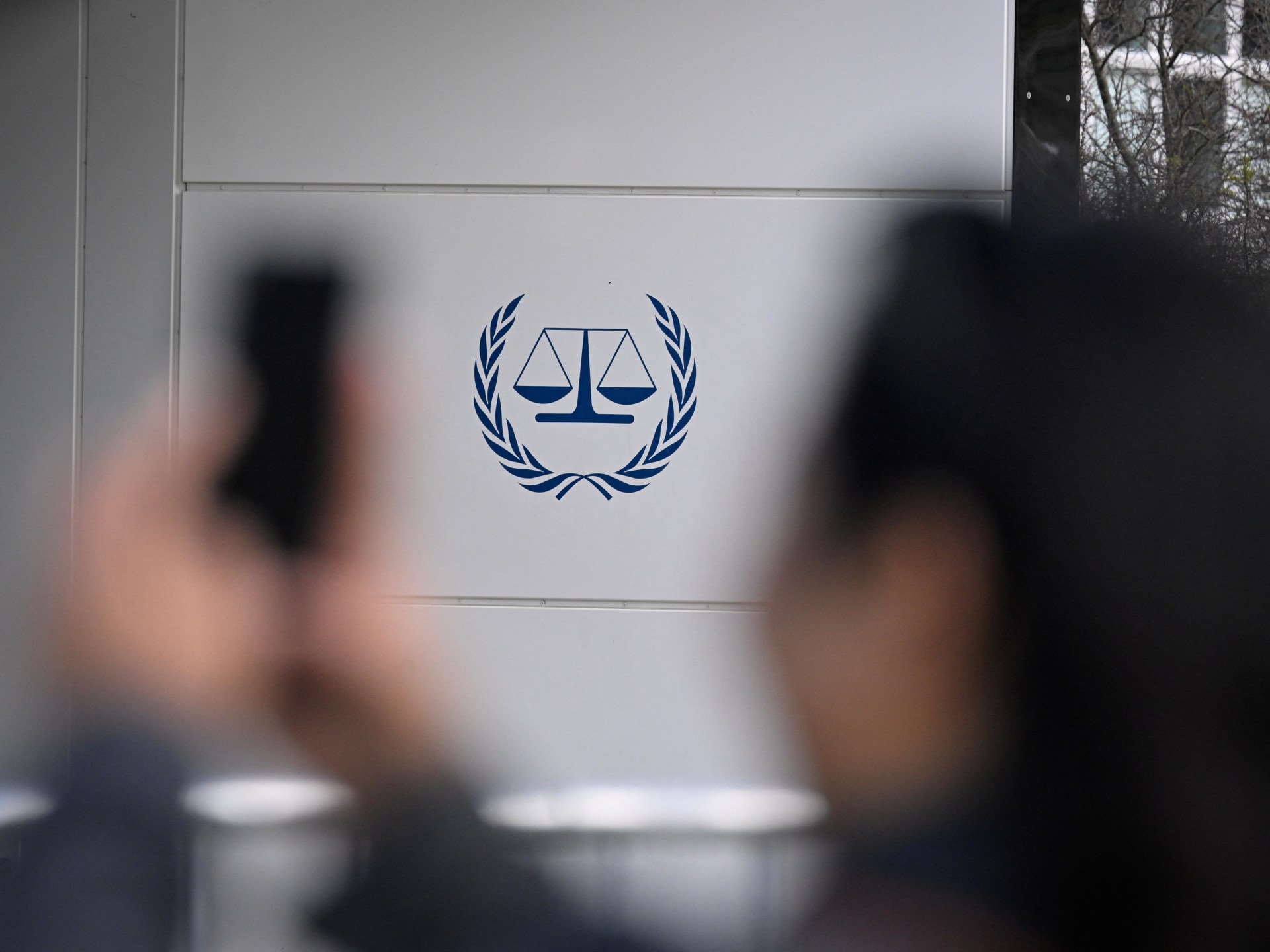
Two U.S. advocacy groups sued the Trump administration Wednesday, arguing that sanctions aimed at the International Criminal Court, Palestinian rights organizations and a U.N. expert are unlawfully restricting Americans’ free speech and association rights.
The lawsuit, filed in federal court in Manhattan by Democracy in the Arab World Now, or DAWN, and the Taxpayers Alliance Against Genocide, challenges a 2025 sanctions campaign launched after the ICC issued arrest warrants for Israeli Prime Minister Benjamin Netanyahu and former Defense Minister Yoav Gallant. The groups say the measures have chilled Palestine-related human rights advocacy by forcing Americans to cut off professional relationships and abandon work protected by the First Amendment.
“The Trump administration is using the blunt instrument of economic sanctions not only to punish human rights defenders but to police the political expression of millions of Americans,” said Omar Shakir, DAWN’s executive director.
Trump’s executive order, issued in February 2025, imposed penalties on ICC officials involved in investigations related to the United States and its allies, particularly Israel. The administration has since sanctioned ICC prosecutors and judges, Palestinian organizations that provided evidence to the Hague-based court, and Francesca Albanese, the U.N. special rapporteur for the occupied Palestinian territory.
The 43-page complaint says DAWN and the Taxpayers Alliance Against Genocide have worked on ICC submissions documenting alleged Israeli war crimes in the West Bank and Gaza. DAWN also says it has worked with three sanctioned Palestinian nongovernmental organizations and Albanese to publish research, convene conferences and lobby U.S. policymakers.
“Each of these activities is protected speech and association, squarely within the First Amendment’s heartland,” the lawsuit states. The groups say continuing such work could expose American employees to criminal prosecution and civil penalties under Trump’s executive order.
The complaint also argues that the sanctions violate the International Emergency Economic Powers Act, a 1977 law that the plaintiffs say bars presidents from using sanctions to restrict noncommercial “personal communications” or the transmission of “information or informational materials.” The suit contends that Trump exceeded his authority under that law.
“If the Executive is permitted to blow past constitutional and statutory restraints here, there is little to stop it from weaponizing IEEPA to target other disfavored viewpoints,” the lawsuit says. It argues that the same logic could allow a future president to declare a national emergency over energy prices, sanction foreign environmental groups and cut off U.S. climate advocates from overseas partners.
The lawsuit names Trump; Secretary of State Marco Rubio; Treasury Secretary Scott Bessent; acting Attorney General Todd Blanche; and Brad Smith, director of the Office of Foreign Assets Control, as defendants.
The filing came days after Rubio pledged to intensify the administration’s campaign against the ICC. In a video statement and Wall Street Journal opinion piece, Rubio promised “a whole-of-government response” against the court, which he said “threatens every aspect” of the U.S. political and legal system. Al Jazeera reported that Rubio said the administration was considering additional sanctions, travel bans and pressure on U.S. allies and aid recipients not to cooperate with the court.
The new case is one of several legal challenges to the sanctions. A federal judge in New York previously sided with two law professors who said the measures interfered with their First Amendment right to advise the ICC prosecutor and his office. Sanctions on Albanese were briefly lifted after a court order in May, then reimposed after a Trump administration appeal, Al Jazeera reported. Sanctioned ICC judges have also sued the administration.
The United States is not a party to the ICC’s founding Rome Statute. The court has said, however, that U.S. citizens may be investigated and prosecuted for abuses committed on the territory of member states. No U.S. citizen has been prosecuted by the ICC, though the court has open investigations into abuses committed in Afghanistan during the foreign military deployment that began in the early 2000s, including by U.S. military and intelligence personnel.
“The US government has the largest megaphone in the world and it is perfectly capable of pleading its case – or Israel’s,” said Joseph Pace, a lawyer for the plaintiffs. “What it cannot do is bar Americans from sharing a contrary perspective with the ICC, much less criminalise contact with non-American human rights defenders whose only ‘misdeed’ was calling for justice for US and Israeli crimes.”



Be First to Comment