Key takeaways:
- Jay Clayton’s Senate confirmation hearing for director of national intelligence is scheduled for Wednesday at 9:30 a.m.
- Section 702 surveillance authority remains lapsed, with Democrats saying they will not back reauthorization unless acting intelligence chief Bill Pulte is replaced.
- Clayton has led the U.S. Attorney’s Office for the Southern District of New York and previously chaired the Securities and Exchange Commission during Trump’s first administration.
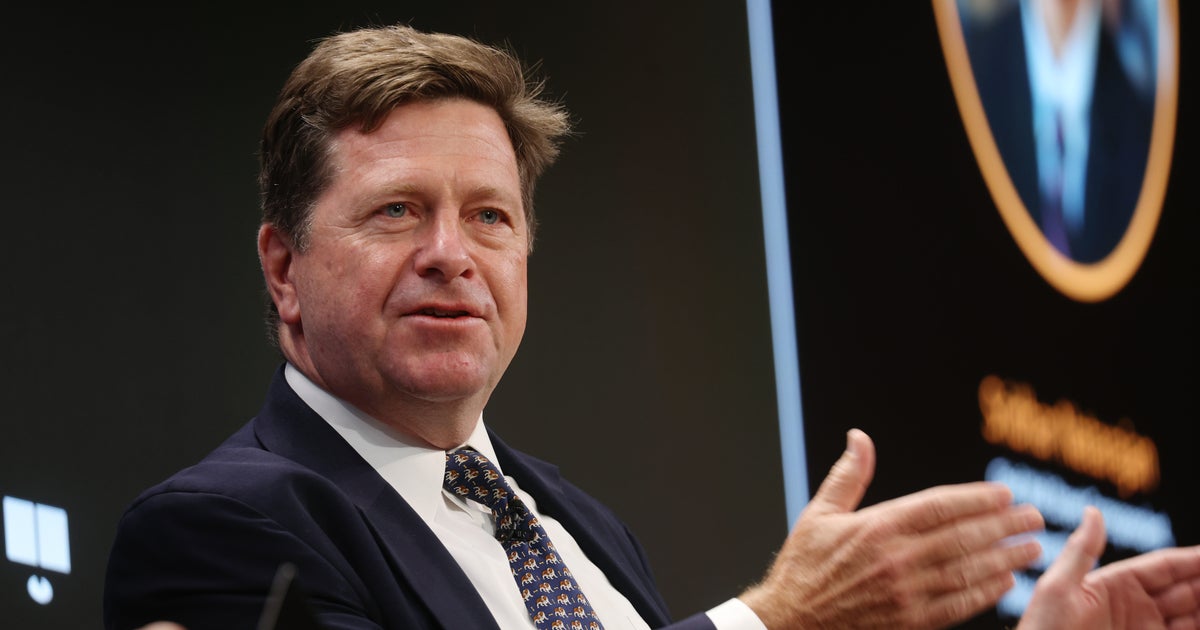
Jay Clayton, President Donald Trump’s nominee to lead the nation’s intelligence agencies, is set to appear before the Senate Intelligence Committee on Wednesday after a delayed confirmation process that has drawn unusual bipartisan interest and exposed tensions over surveillance powers, election security and the current acting intelligence chief.
Clayton, the U.S. attorney for the Southern District of New York, is expected to receive a relatively friendly reception from lawmakers in both parties. Democrats and Republicans see him as a more conventional choice to replace Bill Pulte, a housing official and Trump ally who has served as acting director of national intelligence since June 19.
The hearing is scheduled to begin at 9:30 a.m. on Capitol Hill. It comes after Trump abruptly asked Senate Republicans last month to cancel Clayton’s original June 17 hearing, saying the nomination should not move forward until the Senate confirmed James McDonald, Clayton’s intended successor as U.S. attorney in New York. Trump also suggested the process was moving too quickly and would prevent Pulte from temporarily taking the post.
Senate Intelligence Committee Chairman Tom Cotton, R-Ark., called the postponement “regrettable” at the time. “Mr. Clayton is a patriot and a highly qualified nominee, as the president has said repeatedly,” Cotton wrote on X. “I look forward to proceeding with his confirmation in the near future.”
Clayton’s nomination has taken on added significance because Section 702 of the Foreign Intelligence Surveillance Act, a warrantless surveillance authority, remains lapsed. Senate Republicans had hoped to confirm Clayton quickly to help break a deadlock over extending the program. Democrats have warned they will not support reauthorizing the tool unless Pulte is replaced as intelligence chief.
Pulte was named acting director after former Director of National Intelligence Tulsi Gabbard said in May that she would resign because of her husband’s cancer diagnosis. Trump selected Pulte in early June, after Pulte led the Federal Housing Finance Agency and launched investigations into people Trump viewed as political opponents. Trump has said he wanted Pulte to continue reducing the workforce at the Office of the Director of National Intelligence before Clayton takes over. Under Gabbard, the office cut hundreds of positions and moved some teams to other intelligence agencies.
Democrats are expected to question Clayton about how he views the intelligence director’s role in U.S. elections and whether he would give Trump unvarnished assessments. The hearing comes amid Democratic concerns that Trump and his administration could try to use intelligence or law enforcement agencies to interfere with state governments overseeing the November midterm elections. NBC News has reported that a White House task force has collected thousands of pages of documents from intelligence agencies and plans to declassify some of them, potentially giving Trump another opening to make baseless claims about past election fraud.
Trump is due to deliver remarks Thursday evening that will focus in part on election integrity and his administration’s findings about the 2020 election. Clayton told CNBC last month that the United States is “doing an absolutely terrible job” of ensuring election integrity, “and the American people are right to question it.” Referring to California laws that allow registered voters to cast ballots by mail, he said “it makes the opportunity for fraud so much greater, when that is not necessary.” Election experts and California officials say there is no evidence of widespread fraud in the state’s elections, and no evidence has emerged of widespread fraud in the 2020 election. Dozens of lawsuits seeking to overturn the 2020 results were dismissed or dropped.
Congress created the director of national intelligence position after the Sept. 11, 2001, attacks to improve information sharing across U.S. spy agencies. The director oversees 18 intelligence services, helps shape classified intelligence budgets and serves as the president’s principal intelligence adviser.
Clayton spent much of his career as a corporate lawyer and does not have extensive intelligence experience. He previously chaired the Securities and Exchange Commission during Trump’s first administration and had a long career at Sullivan & Cromwell. As U.S. attorney, he has overseen cases with national security implications, including matters involving narcotics trafficking, terrorism and corruption. His office handled the Justice Department’s indictment of former Venezuelan President Nicolás Maduro on drug trafficking charges; Maduro has pleaded not guilty. Clayton’s office also reviewed many Justice Department files related to Jeffrey Epstein after Congress required their release.
CBS News reported that Clayton may also face questions about subpoenas his office issued last week to three New York Times journalists after they reported that a new Air Force One donated by Qatar lacked some advanced security features found on older planes. The Times said the journalists were ordered to testify before a Manhattan federal grand jury on Wednesday, the same day as Clayton’s confirmation hearing.







Be First to Comment