Key takeaways:
- US Central Command said it struck more than 80 Iranian targets after attacks on three commercial vessels in the Strait of Hormuz.
- Iran said it retaliated against 85 US military targets in Bahrain and Kuwait, while the extent of damage remained unclear.
- The US revoked a sanctions waiver on Iranian oil sales, with new sanctions taking effect July 7 for new sales.
The United States and Iran traded major strikes around the Strait of Hormuz on Wednesday, pushing a fragile ceasefire agreement close to collapse as President Donald Trump said he believed the memorandum of understanding with Tehran was “over.”
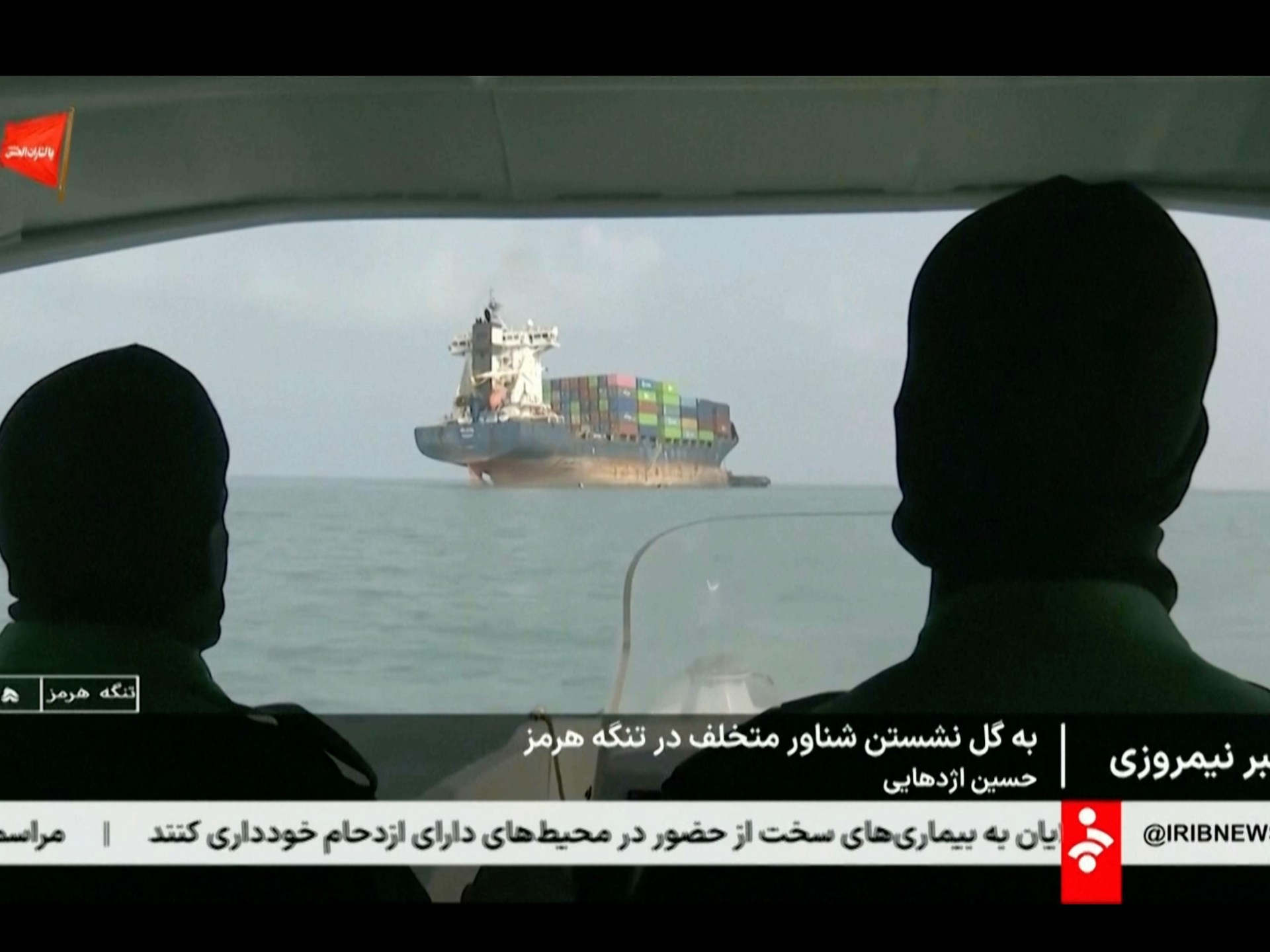
US Central Command said American forces hit more than 80 targets in and near the strait in the early hours of Wednesday, striking Iranian air defence systems, command and control networks, coastal radar sites, anti-ship missile capabilities and more than 60 Islamic Revolutionary Guard Corps small boats. The US said the strikes were retaliation for Iranian attacks hours earlier on three commercial vessels transiting the strait: the Marshall Islands-flagged M/T Al Rekayyat, the Saudi Arabia-flagged M/T Wedyan and the Liberian-flagged M/T Cyprus Prosperity.
“Iran’s demonstrated aggression was unwarranted, dangerous, and a clear violation of the ceasefire,” CENTCOM said. It warned that more strikes could follow if Iran continued to act “outside of agreements.”
Trump, speaking to reporters at a NATO summit in Ankara, Turkiye, said the US had acted forcefully. “We attacked very powerfully last night, the very dangerous people from Iran,” he said. “They’re sick, there’s something wrong with them.” The Guardian reported that Trump also said, “They can talk, but I think they’re wasting their time,” and accused Iranian leaders of being “liars” and “cheaters.”
Iran said the US had violated the June 17 memorandum of understanding, which was intended to begin at least 60 days of phased negotiations toward an agreement on Iran’s nuclear programme, sanctions relief, management of the Strait of Hormuz and a permanent end to hostilities. The ceasefire had come into effect in April.
The Iranian Foreign Ministry condemned what it called “aggressive attacks and gross violation” of the MOU, saying the US military had committed aggression against monitoring and surveillance centres on Iran’s southern coast. “Responsibility for the dangerous consequences of this escalation lies with the deceitful US regime,” the ministry said, according to The Guardian.
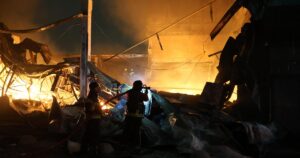
Iran’s Revolutionary Guard said it retaliated by targeting 85 US military sites in Bahrain and Kuwait, including facilities at Port Salman, the US Fifth Fleet base in Bahrain and Kuwait’s Ali Salem Airbase. Sirens sounded three times in Bahrain and twice in Kuwait. The extent of any damage was unclear. The IRGC also said it shot down an enemy MQ9 drone, while Iran announced that one IRGC naval officer was killed by a US drone in Bandar Mahshahr.
Iranian media reported explosions on Qeshm Island and in Sirik and Bandar Abbas. Al Jazeera reported that projectiles hit commercial and fishing piers in Sirik, injuring several people with shrapnel, though casualty figures were not clear. Fars news agency reported that two military bases in Bushehr province were struck, with no deaths or injuries reported there.
The confrontation also triggered economic fallout. Al Jazeera reported that Brent crude rose 6 percent to $78 a barrel, European stocks fell 1.6 percent, the dollar strengthened and government bond yields climbed.
The US also revoked a temporary sanctions waiver that had allowed Iran to sell crude oil during talks. Al Jazeera reported that the waiver, granted under the MOU and due to expire August 21, will end for new oil sales on July 7, with a grace period for already shipped sales made before that date.
At the heart of the dispute is control of the Strait of Hormuz, a chokepoint for as much as 20 percent of global oil and gas trade flows. Iran says the MOU gave it control of the strait for at least 30 days and has directed ships to follow a route closer to its coast. The US says Iran must allow free passage through the strait while talks continue.








Be First to Comment