Key takeaways:
- Samsung Electronics and SK Hynix, with suppliers, are set to invest about 800 trillion won, or $518 billion, in new chip fabrication sites in South Korea’s southwest.
- South Korea plans AI data-centre investments backed by SK Group, GS Group and Naver, with a 10-gigawatt facility targeted by 2035.
- Opposition critics say the southwestern chip hub favors a political stronghold of President Lee Jae Myung’s party, while Lee says the region has untapped power resources.
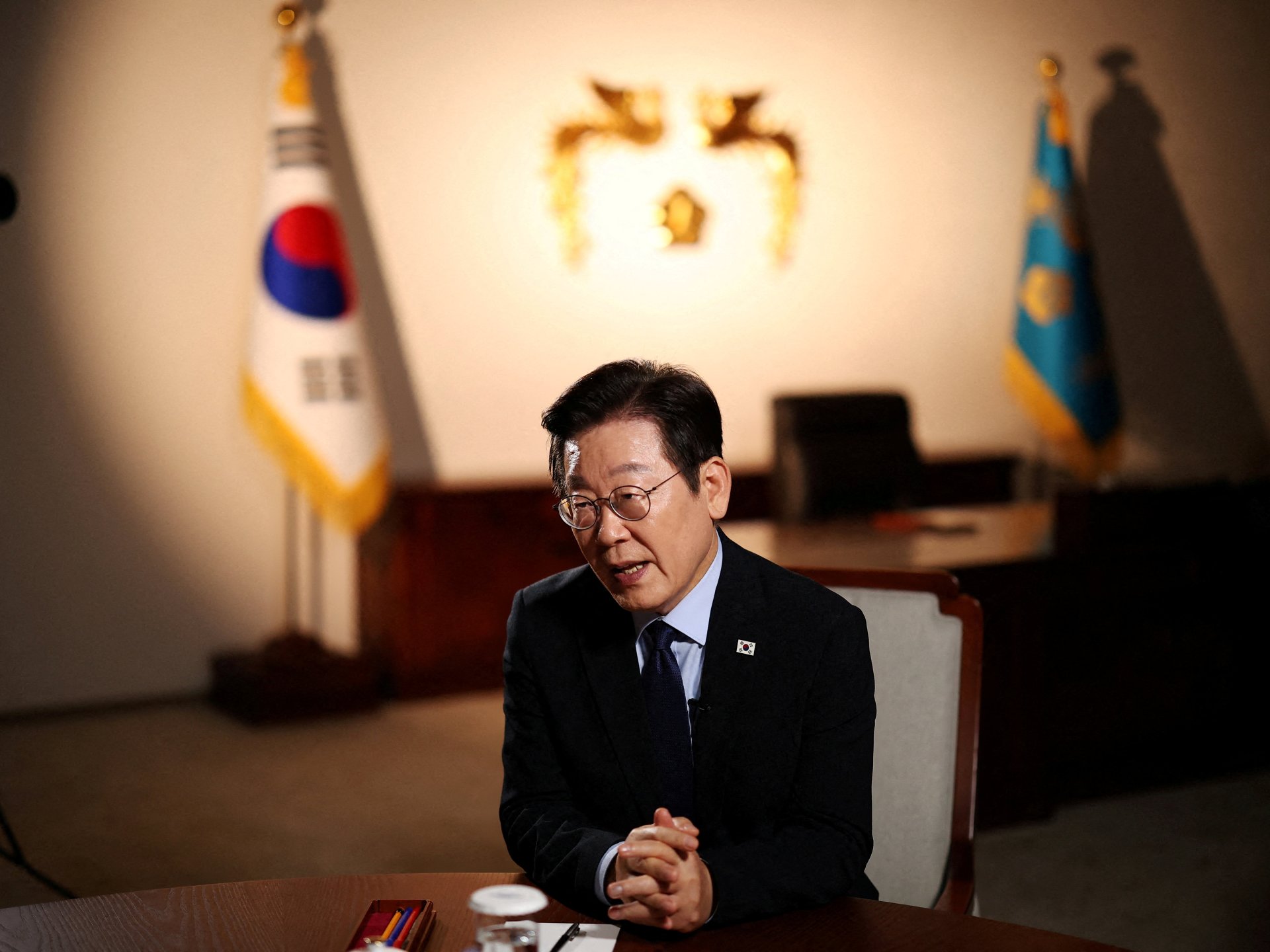
South Korea has announced a more than $1 trillion push to expand its semiconductor and artificial intelligence industries, a sweeping plan President Lee Jae Myung framed as a race to secure the technologies driving the global AI boom.
The initiative, unveiled Monday at a televised event with the leaders of Samsung Electronics and SK Hynix, centers on what Lee called the “triple axis” of semiconductors, physical AI and data centres. It is part of the government’s so-called Three Mega Projects, which aim to build new chip production hubs, AI data centres and robotics technology while reviving economies outside the Seoul metropolitan area.
“We must secure the core elements of AI faster than any other country,” Lee said. “Semiconductors, physical AI, and AI data centres are the triple axis for a great leap forward.”
Samsung and SK Hynix, South Korea’s two biggest chipmakers and the world’s two largest memory chip producers, are expected to anchor the semiconductor portion of the plan. Industry Minister Kim Jung-kwan said the companies, together with suppliers, will invest 800 trillion won, or about $518 billion, to build two new chip fabrication sites each in South Korea’s southwest, Al Jazeera reported.
Lee said the southwestern city of Gwangju and South Jeolla province will also invest 5 trillion to 20 trillion won, or $3.2 billion to $13 billion, in the projects, according to Al Jazeera. Kim said another 81 trillion won, or $52.5 billion, is expected for a chip-packaging cluster in the Chungcheong area near Seoul.
The government also plans to build AI data centres outside Seoul, where much of the country’s advanced manufacturing is currently concentrated. Science Minister Bae Kyung-hoon said an additional 10-gigawatt AI data centre will be built by 2035, with total investment exceeding 18.4 gigawatts and 1,000 trillion won, or $648 billion, Al Jazeera reported. The data-centre plans are backed by investments from SK Group, GS Group and Naver.
Lee has presented the project as both an industrial strategy and an effort to address regional inequality. In a statement cited by the BBC, he described the initiative as a matter of “survival” for South Korea, pointing to the decline of rural areas as industries have concentrated around Seoul.
“Now, we must break this long-standing cycle of discrimination and marginalisation – not only for the sake of justice and equity, but also to ensure sustainable and inclusive growth,” Lee wrote.
The announcement comes as Taiwan, China and Japan pour money into chip factories and related technologies to meet rising semiconductor demand linked to AI. Samsung and SK Group, whose customers include Nvidia, have been major beneficiaries of increased spending on AI infrastructure. The BBC reported that U.S. technology giants including Google, Amazon and Meta have said they will spend $650 billion on the technology this year.
The AI-driven surge has also strained global chip supplies and pushed up component costs. Last week, Apple and Microsoft raised prices on some devices because of higher component costs, the BBC reported. At the same time, some investors have raised concerns about the scale of spending on AI, contributing to recent declines in some shares.
The plan has drawn criticism from South Korea’s opposition, Al Jazeera reported. Critics argue that locating a second semiconductor cluster in Honam, a traditional stronghold of Lee’s liberal Democratic Party, reflects regional politics more than industrial logic. They have accused the government of pressuring memory chipmakers to invest there rather than letting companies choose the most commercially viable sites.
Lee rejected that criticism in posts on X over the weekend, defending the proposed southwestern hub and saying the region has rich, untapped power resources.














Be First to Comment