Key takeaways:
- All branches of the U.S. military began requiring flu vaccinations for recruits again earlier this month.
- Lackland Air Force Base in Texas has reported 275 confirmed flu cases during a roughly three-week outbreak.
- Pentagon spokesman Sean Parnell said exceptions to the voluntary flu vaccine policy followed a comprehensive review and were aimed at readiness and protecting at-risk populations.
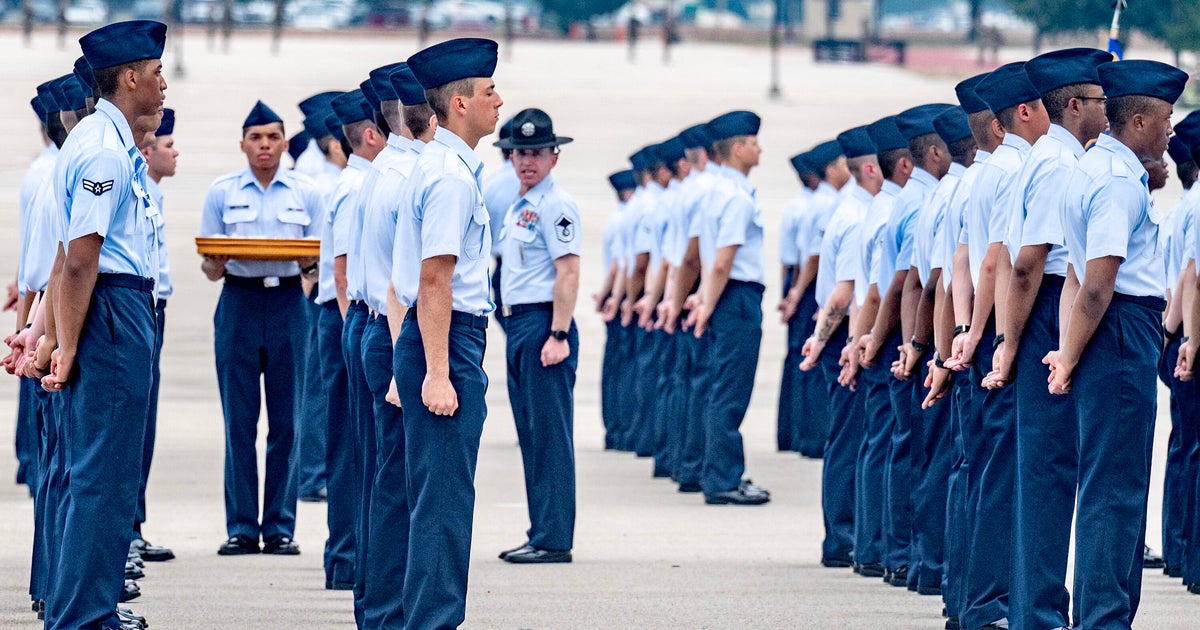
U.S. military boot camps are again requiring flu vaccinations for recruits, weeks after Defense Secretary Pete Hegseth made the annual shot voluntary for service members and as an outbreak at Lackland Air Force Base in Texas has sickened 275 people.
A Pentagon official confirmed Wednesday that all branches began requiring the flu vaccine for recruits earlier this month. Lackland, in San Antonio, is home to the Air Force’s Basic Military Training program and processes about 700 new recruits a week, according to Air Force figures cited by The Guardian.
The move is an exception to Hegseth’s late-April order lifting the broader military flu vaccine mandate. In a video posted to social media at the time, Hegseth said requiring people to get vaccinated was “overly broad and not rational.” The Guardian reported that he cited “medical autonomy” and religious freedom when announcing the repeal, while allowing the services to seek exceptions within 15 days.
The process of reinstating the requirement for recruits began before the Lackland outbreak was publicly acknowledged, a congressional staffer with knowledge of the matter told CBS News. A Pentagon official told The Associated Press, according to The Guardian, that the approval to mandate vaccinations was unrelated to the outbreak and that the timing was a coincidence.
The Lackland outbreak has lasted roughly three weeks. Democratic Rep. Joaquin Castro, whose district includes part of the base, said in a social media post that it had produced 275 confirmed flu cases. A congressional staffer gave CBS News the same figure. The Guardian, citing a person familiar with the situation, reported that only 40% of new trainees at Lackland chose to receive the flu shot after it became optional.
An Air Force spokesperson told CBS News last week that the unit at Lackland had put mitigation measures in place, was monitoring trainees who may have been exposed and was treating symptomatic trainees with antiviral medications such as Tamiflu.
Chief Pentagon spokesman Sean Parnell said last week that exceptions to the voluntary flu vaccine policy had been issued after a “comprehensive review.”
“The decisions were based upon thorough risk assessments and are designed to maximize operational readiness, lethality, and force generation, while safeguarding at-risk populations,” Parnell said. “The Department remains committed to the health and readiness of our warfighters and civilian personnel.”
The Guardian reported that Parnell confirmed exceptions were granted to the Army, Navy and Air Force, as well as the National Security Agency and the Defense Health Agency, but did not provide further details. Army and Navy officials have said they also asked for permission to make the shot mandatory for certain groups.
According to the congressional staffer cited by CBS News, all military departments had formally requested exemptions by early May, and those exemptions were granted in early June. The exemptions typically apply to vulnerable populations, including people living in communal environments, health care workers and other categories, the staffer said.
Military training environments can increase the spread of illness because recruits live and train in close quarters for weeks. At Lackland, The Guardian reported, trainees typically sleep in large open rooms, shower communally and conduct instruction and inspections in close contact.
Arnold Monto, a flu expert and emeritus professor at the University of Michigan, told The Guardian the outbreak was “not unusually concerning,” but said vaccination is important in group settings. “If you want to prevent flu outbreaks, it is especially necessary to vaccinate when there are group settings,” Monto said.
Families Fighting Flu, an advocacy organization, welcomed the change. “For decades, the military prioritized the health and safety of troops and the public by requiring flu vaccine for recruits. It’s unfortunate that more than 200 individuals at Lackland air force base in Texas became ill when that requirement was rescinded,” Michele Slafkosky, the group’s executive director, said in a statement. “This updated guidance from the military will save lives.”
The flu vaccine was first mandated for troops in 1945, lifted in 1949 and reinstated in the 1950s, according to a 2022 analysis cited by CBS News. It remained mandatory until Hegseth’s order. The Pentagon has long required personnel to receive vaccines against diseases including hepatitis B and measles, mumps and rubella.









Be First to Comment