
All U.S. military boot camps are again requiring flu shots for recruits after Defense Secretary Pete Hegseth made the vaccine optional. The change comes as Lackland Air Force Base reports 275 confirmed flu cases.
Posts tagged as “the National Security Agency”
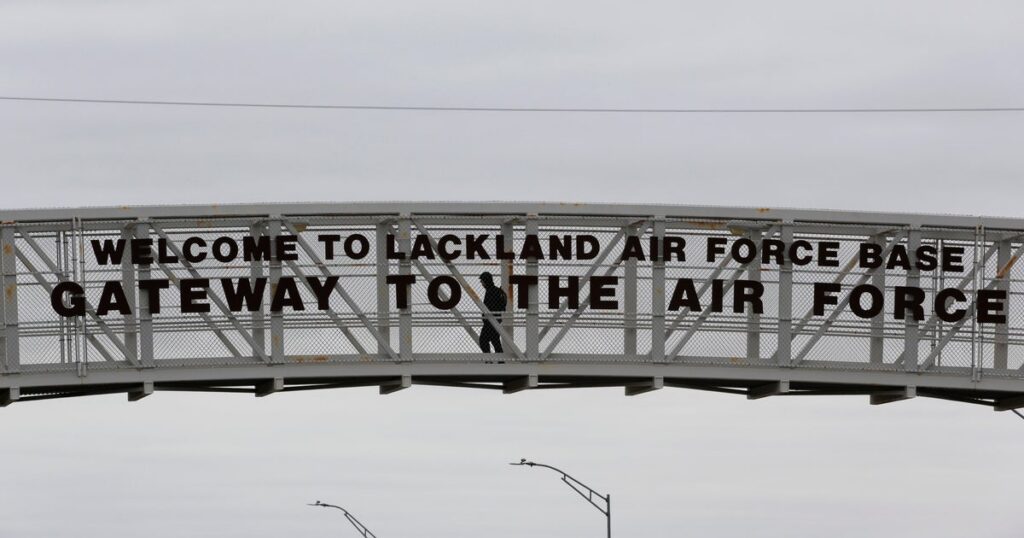
An influenza outbreak has sickened trainees at Lackland Air Force Base in Texas weeks after the Pentagon ended the military’s flu vaccine mandate. Reports say at least 159 recruits have fallen ill, while officials say mitigation and vaccination measures are underway.
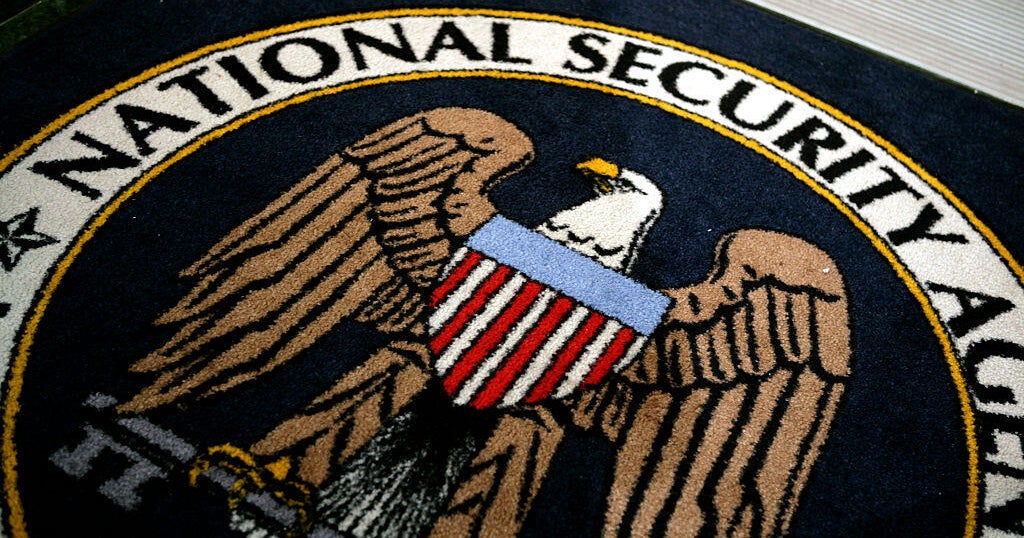
Section 702, a major U.S. surveillance authority used to collect foreign intelligence, is set to lapse after Congress failed to pass an extension. Lawmakers disagree over whether existing court approvals will keep the program operating without interruption.
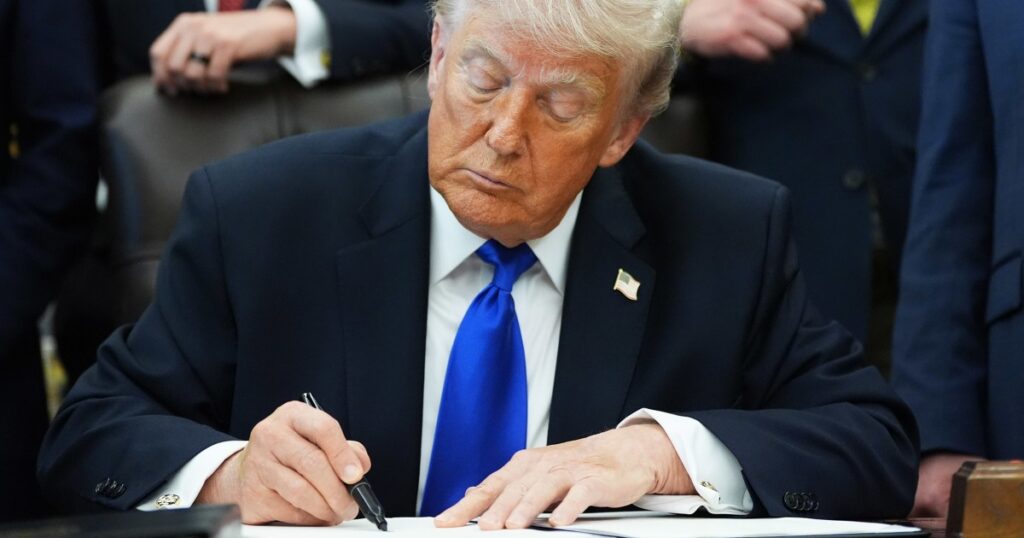
President Donald Trump signed an executive order creating a voluntary process for federal review of powerful AI models before release. The order focuses on cybersecurity and national security while avoiding mandatory licensing requirements for AI companies.
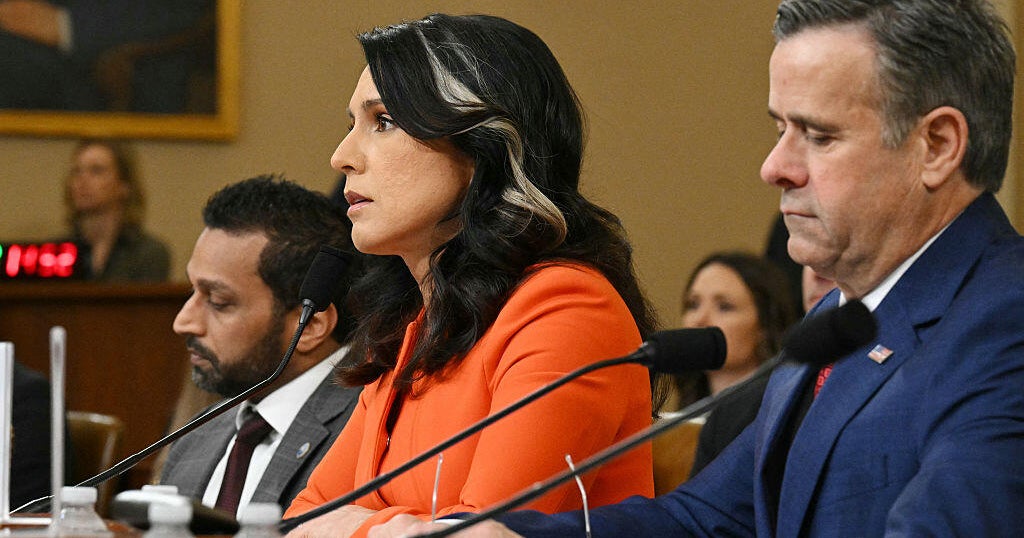
Top U.S. intelligence officials, including Director of National Intelligence Tulsi Gabbard, testified before the Senate Intelligence Committee amid heightened tensions following the U.S. military campaign against Iran, which was justified by the Trump administration as a response to an imminent threat despite intelligence reports indicating Iran was not actively pursuing nuclear weapons. The hearing occurred shortly after the resignation of Joe Kent, head of the National Counterterrorism Center, who criticized the administration’s rationale for war, while lawmakers remain divided over calls for greater transparency and public hearings on the conflict. As the debate over oversight continues, Democratic lawmakers push for more disclosure, whereas many Republicans argue that classified briefings suffice to protect national security.
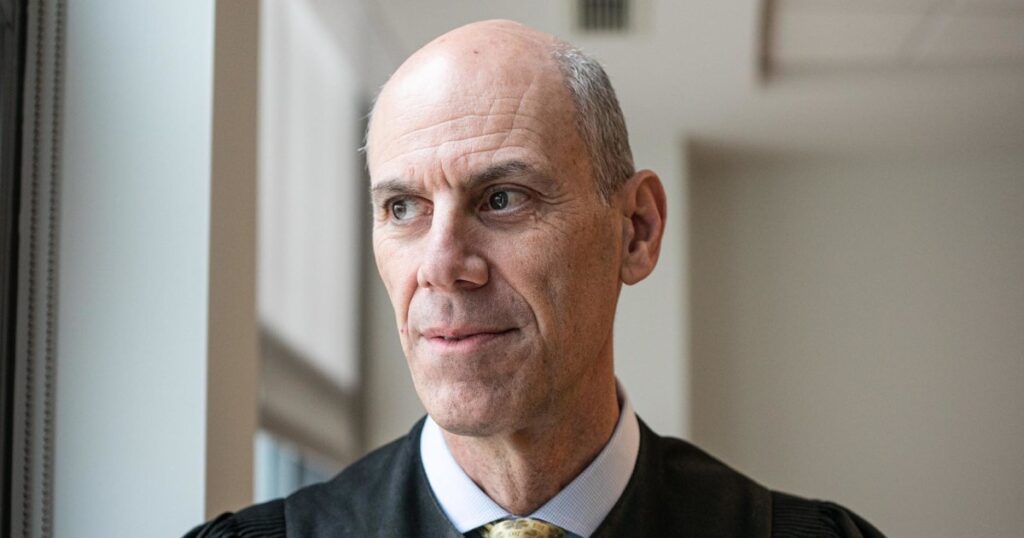
Former President Donald Trump made significant changes to his national security team by dismissing six members of the National Security Council, including Air Force General Timothy D. Haugh, following a meeting influenced by right-wing activist Laura Loomer. In the judicial arena, the Trump administration faced criticism from several judges, including U.S. District Judge James Boasberg, for perceived non-compliance with court orders and employing "bad faith" tactics. Additionally, a federal judge in Maryland ordered the return of a deportee mistakenly sent to a notorious megajail in El Salvador, highlighting the administration's ongoing challenges in legal and immigration matters.
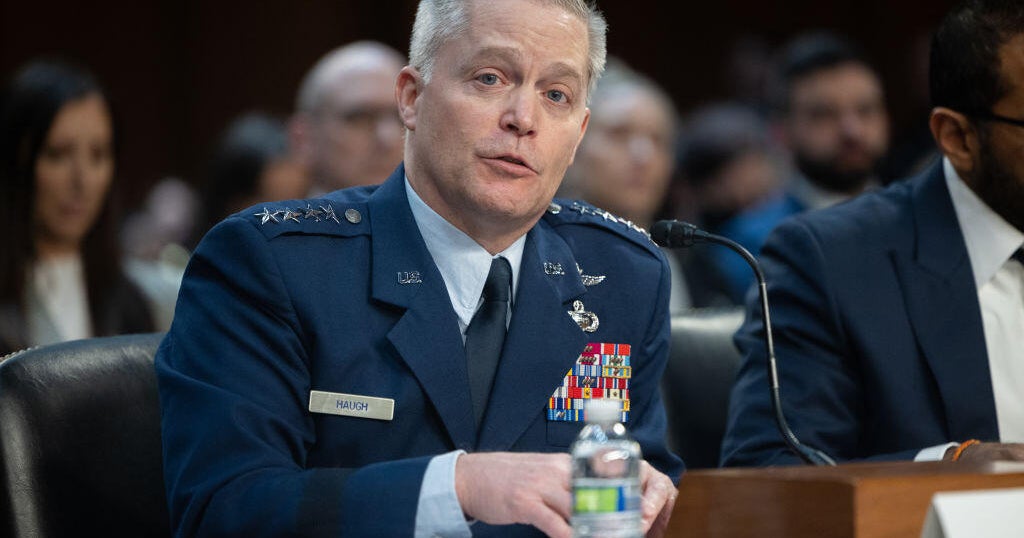
Significant leadership changes occurred at the National Security Agency (NSA) and U.S. Cyber Command with the removal of Gen. Timothy Haugh, confirmed by top Democrats on the House and Senate intelligence committees. Lt. Gen. William Hartman has been appointed as the acting NSA director, taking over from Haugh, who has over 30 years of experience in intelligence and cyber operations. The reasons for Haugh's dismissal remain unclear, and the implications of this leadership transition are yet to be fully understood.