Key takeaways:
- Lebanon’s National News Agency identified the two men killed near Nabatieh as Mohammed Amhaz and Sajed al-Hajj Ali.
- Israel’s military said its soldiers fired at Hezbollah members on a bulldozer and motorcycle who had entered an Israeli-declared security zone and ignored warning shots.
- U.S.-mediated talks between Lebanon and Israel opened in Washington as both sides disputed ceasefire violations and Israel’s continued presence in southern Lebanon.
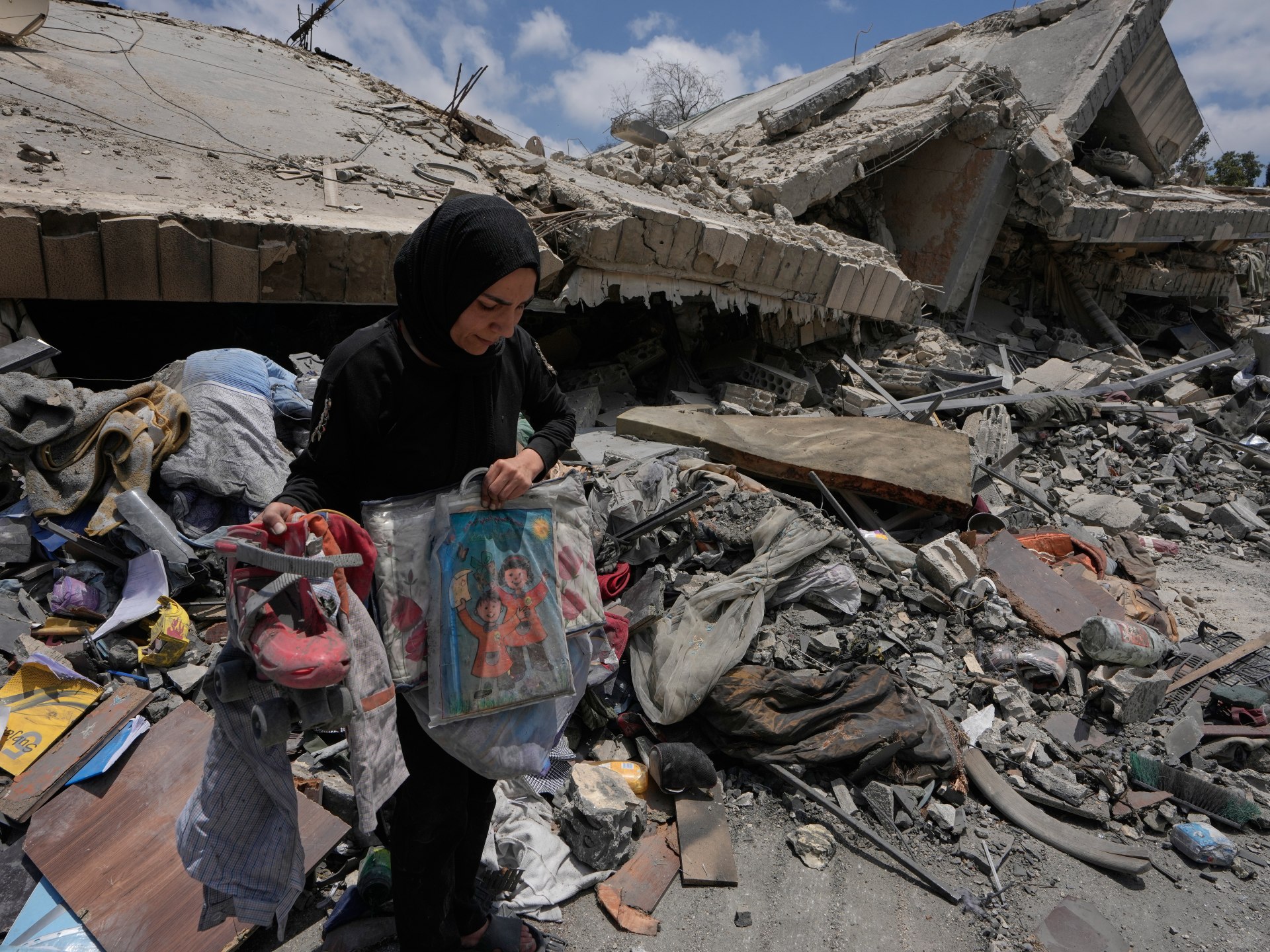
Israeli troops killed two people in southern Lebanon on Tuesday, Lebanese authorities said, in the first reported fatal incident since a fragile ceasefire between Israel and Hezbollah largely took hold over the weekend.
Lebanon’s state-run National News Agency said the two men were standing near a bulldozer or excavator that was clearing a blocked road in Nabatieh al-Fawqa, near the city of Nabatieh, when Israeli soldiers opened fire with machine guns. The Lebanese health ministry said two people were killed, and Al Jazeera reported that two others were wounded.
The agency identified those killed as Mohammed Amhaz and Sajed al-Hajj Ali. It said they were with a team from the Islamic Health Association, an emergency service linked to Hezbollah, and were working to reopen roads and recover bodies from rubble in the al-Deir neighborhood.
Hezbollah condemned the shooting as a “blatant violation of the ceasefire” and described it as a “treacherous attack.” Its military wing, the Islamic Resistance, said: “What the enemy has committed constitutes a blatant violation of the ceasefire, which the Resistance has adhered to up to this point.” The group did not say whether it would retaliate.
Israel’s military gave a different account. It said soldiers in the Ali al-Taher ridge area, east of Nabatieh al-Fawqa, fired at “four Hezbollah terrorists riding a bulldozer and a motorcycle” who it said posed a threat. The military said the group had entered an Israeli-declared “security zone” in southern Lebanon and ignored warning shots.
The Israeli military also said that in a separate incident, soldiers struck a “cell of armed terrorists” north of the security zone. It released a photo it said showed one of the men holding a rifle. There were no immediate reports of casualties from that incident.
The killings came after two days of relative calm under a U.S.-brokered ceasefire that has largely held since Sunday, the longest lull in weeks of fighting. The agreement followed concerns that continued combat in Lebanon could undermine a preliminary deal ending the war between the United States, Israel and Iran.
Israeli Prime Minister Benjamin Netanyahu said Monday night that Israeli forces would have “full freedom of action” against any Hezbollah threat and would remain in Lebanon “as long as is necessary.” In a joint statement Tuesday, Netanyahu, Defence Minister Israel Katz and military chief Eyal Zamir said the military would continue to “act with determination in order to neutralise threats against our soldiers and our citizens,” demolish Hezbollah infrastructure and maintain the security zone in southern Lebanon.
Hezbollah officials have warned they will respond to Israeli violations. Mahmoud Qamati, deputy head of Hezbollah’s political council, said the group’s retaliation would come “in kind,” according to Iran’s Press TV. Hezbollah leader Naim Qassem also said Tuesday that Israeli forces would not remain in Lebanon and that the group would respond to any ceasefire breach.
The violence coincided with U.S.-mediated talks between Lebanese and Israeli officials in Washington. The U.S. State Department described the negotiations as aimed at advancing “a comprehensive peace and security agreement between the two countries.” Al Jazeera reported that Lebanon is represented by Ambassador Nada Moawad and Israel by Ambassador Yechiel Leiter, with U.S. officials also participating.
Lebanese President Joseph Aoun said negotiations were “the only path” to achieve national goals, adding: “Today we say that we will accept nothing less than the end of the Israeli occupation in southern Lebanon and the collapse of foreign mandates together.”
Iranian officials said Lebanon must be covered by ceasefire arrangements. Iran’s ambassador to the United Nations in Geneva, Ali Bahreini, said, “Lebanon is an unquestionable part of the agreement, and whatever happens in Lebanon affects the whole process, and it is the United States which should use all its leverage against Israel to make it stop attacks against Lebanon.”
Lebanon’s health ministry says Israeli attacks have killed at least 4,192 people since the latest round of hostilities began March 2, and Lebanese authorities say more than 1.2 million people have been displaced. The BBC reported that Israeli authorities say 36 soldiers and four civilians have been killed on both sides of the border during the conflict, while Al Jazeera reported Israel’s death toll includes at least 32 soldiers and four civilians.


Be First to Comment