Key takeaways:
- Keir Starmer resigned Monday as Labour leader but said he will stay on as prime minister until a successor is in place.
- Andy Burnham confirmed he will run for Labour leader after winning the Makerfield by-election with 55 percent of the vote.
- Wes Streeting, once seen as a likely challenger, endorsed Burnham, raising the possibility of an uncontested leadership transition.
Keir Starmer resigned Monday as leader of Britain’s governing Labour Party, setting the United Kingdom on course for its seventh prime minister in a decade and putting Andy Burnham, the newly elected MP and former Greater Manchester mayor, in position to take power.
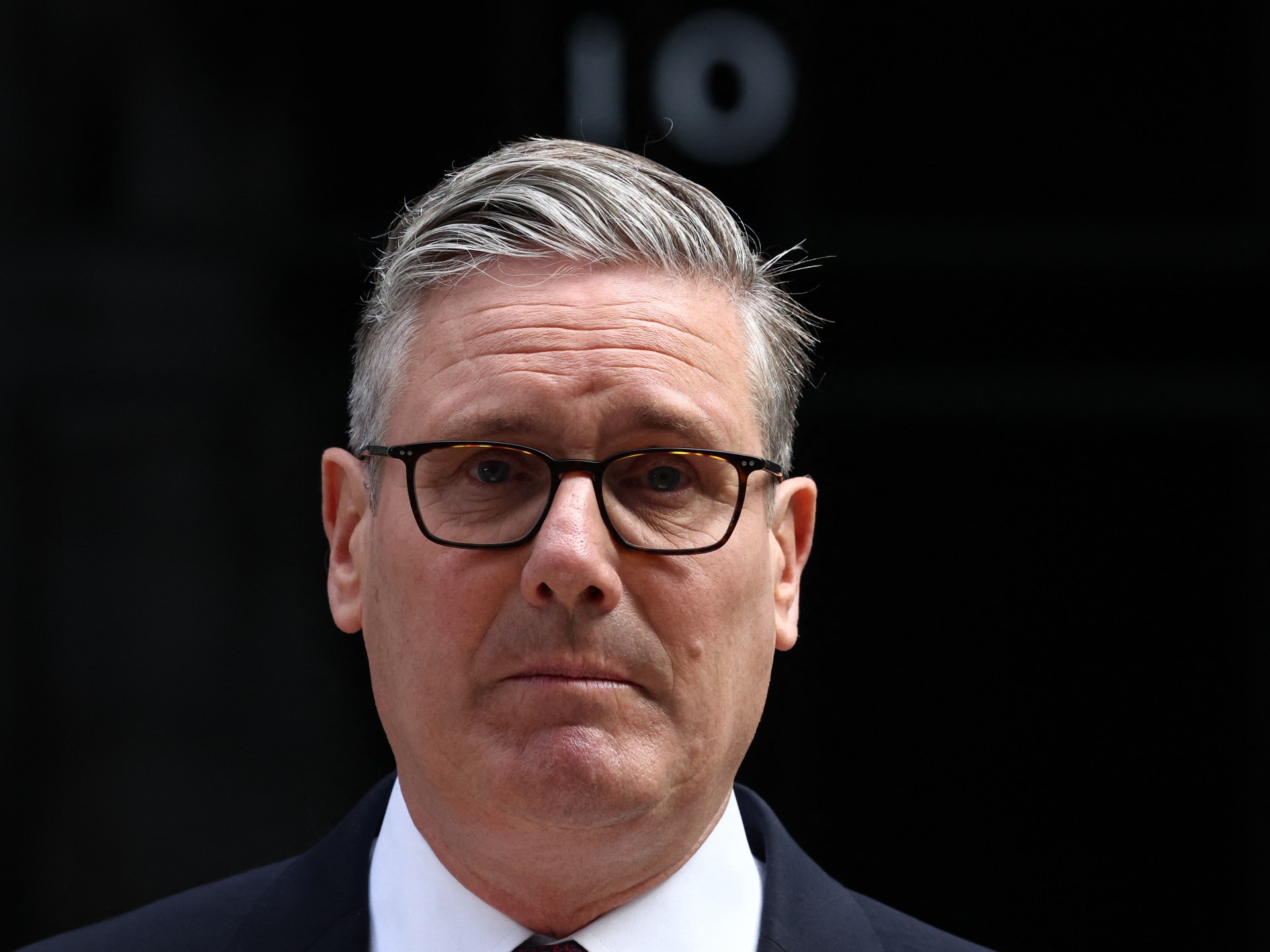
Starmer said he would remain prime minister until Labour chooses a successor, promising an “orderly handover of power” after months of pressure from Labour lawmakers, poor poll ratings and damaging election results. “The question my party is asking now is whether I am best placed to lead us into the next general election,” he said outside 10 Downing Street. “I have heard the answer of my parliamentary party to that question, and I accept that answer with good grace.”
The resignation comes less than two years after Starmer led Labour to a landslide general election victory, ending more than a decade of Conservative rule. Since then, his personal approval ratings have fallen sharply amid public dissatisfaction over the economy, immigration and the pace of change. The BBC reported that pressure intensified after revelations over his decision to appoint Peter Mandelson as ambassador to the United States, and after Labour suffered heavy losses in May elections in Wales, Scotland and English local councils.
Al Jazeera reported that Labour lost 1,496 council seats in those local elections, while Reform UK won 1,453 councillor positions and took control of 14 councils. Reform, the anti-immigration party led by Nigel Farage, has gained ground in traditionally Labour, working-class areas, alarming Labour MPs about the party’s prospects.
Burnham confirmed he would seek the leadership. “I will put myself forward as part of this process,” he told Sky News. Wes Streeting, the former health secretary who had been seen as a likely rival, instead endorsed him. “We could spend the summer exaggerating small differences, or we can roll up our sleeves and help him to deliver the change our party and our country needs,” Streeting said.
Burnham’s path to the premiership opened only last week, when he won a by-election in Makerfield, Greater Manchester, after an ally resigned the seat. The victory returned Burnham to Parliament after nearly a decade away and made him eligible by long-standing political convention to lead a major party. He won 55 percent of the vote, finishing more than 9,200 votes ahead of Reform UK’s Robert Kenyon, according to Al Jazeera.
The result carried political weight because Makerfield resembles the kinds of post-industrial, predominantly white, pro-Brexit Labour heartlands where Reform has been advancing. CBS News reported that Burnham outperformed expectations in a constituency Labour had reason to fear losing ground.
Burnham served as a Labour MP from 2001 to 2017 and held cabinet roles under Tony Blair and Gordon Brown before becoming mayor of Greater Manchester. As mayor, he built a national profile as an advocate for northern England, clashed with Boris Johnson’s Conservative government over pandemic funding and promoted a devolution model sometimes called “Manchesterism.” Supporters call him an authentic voice for communities outside London; critics say he has not clearly defined his positions on issues including immigration and Britain’s relationship with Europe.
During the Makerfield campaign, Burnham warned against importing U.S.-style political division. “Politics is getting more polarized,” he told supporters. “And the path we’re on, if we are not careful, is a path towards the politics of the United States of America.”
Labour nominations are due to open July 9 and close by July 16. Candidates need support from 81 Labour MPs, as well as local party branches or affiliated organizations under party rules cited by the BBC. If only Burnham qualifies, he would become leader without a membership vote and could enter Downing Street as early as mid-July. If there is a contest, Labour expects a new leader before Parliament returns in September.
Britons do not directly elect prime ministers; the leader able to command a majority in the House of Commons is invited by the monarch to form a government. Reform UK has already demanded a general election. “Westminster wants to crown Andy Burnham off the back of a single by-election,” Farage said. “It’s ridiculous to pretend that Andy Burnham has any kind of meaningful mandate to lead the country.”
There is no immediate legal requirement for an election. The BBC and Al Jazeera reported that the next general election is not required until 2029, while CBS News reported it must be called by 2027.





Be First to Comment