Key takeaways:
- Starmer resigned after Labour MPs decided he was not best placed to lead the party into the next general election.
- Labour won 411 seats and a majority of 174 in July 2024, but did so with 34 percent of the vote, according to Al Jazeera.
- More than 100 Labour MPs publicly called for Starmer to quit after major election losses and Andy Burnham’s by-election victory in Makerfield.
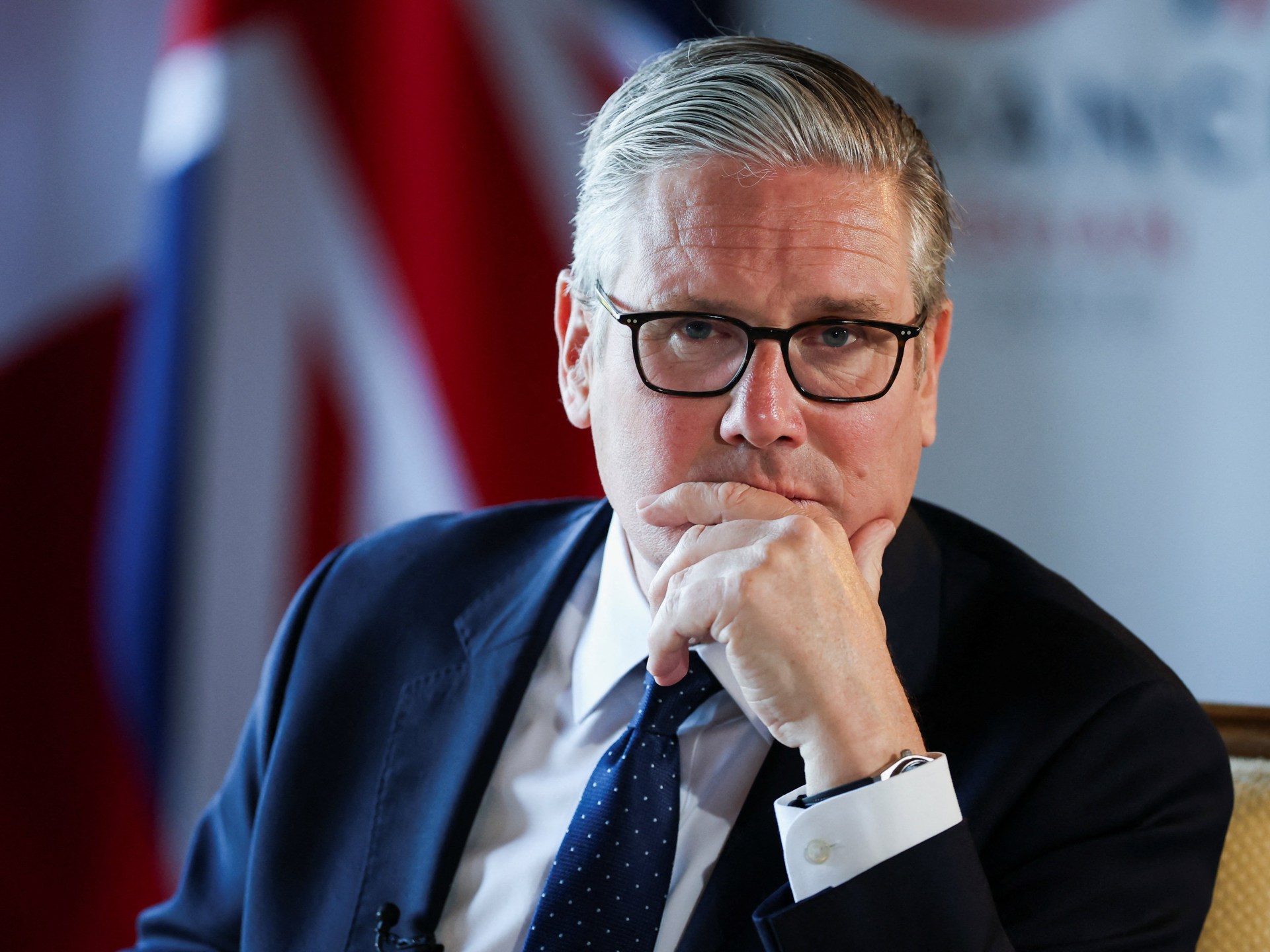
Keir Starmer resigned as British prime minister and Labour leader after his own MPs concluded he was no longer the person to lead them into the next general election, ending a premiership that began with a landslide and collapsed under poor polling, policy reversals and internal revolt.
Speaking outside 10 Downing Street, Starmer said his party had asked “whether I am best placed to lead us into the next general election”. He added: “I have heard the answer of my parliamentary party to that question, and I accept that answer with good grace.” According to Al Jazeera, he also said: “Every decision I have taken has been about putting the country I love first. That is why I will resign as leader of the Labour Party.”
The fall was swift. Starmer led Labour to victory in July 2024 with 411 seats and a majority of 174, the party’s third highest seat total after Tony Blair’s 1997 and 2001 wins. The BBC noted that only Blair and Clement Attlee had previously delivered Labour three-figure parliamentary majorities. But the victory came on a historically low national vote share; Al Jazeera put Labour’s share at 34 percent.
Starmer promised in 2024 to restore trust in politics, return the country to “calmer waters” and “restore service and respect to politics”. His pitch was built on competence, stability and economic caution after years of Conservative government. But his ratings fell within weeks, and critics inside and outside Labour said he failed to explain what his government stood for.
John Curtice, professor of politics at the University of Strathclyde, told Al Jazeera that Starmer “did not define what he believed in and what the Labour Party believed in”. He said Starmer had “no sense of direction” and, despite being “a very clever lawyer”, lacked “political antennas and the presence of a leader”. Tim Bale, professor of politics at Queen Mary University of London, described him to Al Jazeera as a “poor communicator” who “messed up his first few months in office”.
The early damage centred on the government’s decision in July 2024 to restrict winter fuel payments for about 10 million pensioners. The policy was later reversed, but pollsters identified it as a turning point in public perceptions of Starmer. The BBC reported that he later admitted he and Chancellor Rachel Reeves had erred by focusing too heavily on the difficult economic inheritance and not enough on hope.
Further reversals followed. Al Jazeera reported that Starmer scaled back planned cuts to disability benefits in summer 2025 after a backbench revolt, though 49 Labour MPs still voted against the government. Labour MPs also forced U-turns on welfare and inheritance reforms.
Scandals compounded the pressure. Three months into his premiership, Starmer repaid more than £6,000 in gifts and hospitality received since becoming prime minister, including tickets to see Taylor Swift. His chief of staff Sue Gray resigned after criticism of Downing Street’s early operation and an internal power struggle with Morgan McSweeney.
The appointment of Peter Mandelson as US ambassador became another major blow. Mandelson was sacked over his links to convicted sex offender Jeffrey Epstein, and Starmer said he had not known the depth of their relationship and apologised to Epstein’s victims, according to Al Jazeera. The BBC reported that anger grew after it emerged Mandelson had received security clearance despite concerns from vetting officials, raising questions about Starmer’s claim that “full due process” had been followed.
Labour’s electoral position deteriorated as Reform UK gained ground. The BBC reported that Reform overtook Labour in the polls in spring 2025 and later won councils, mayoralties and the Runcorn and Helsby by-election. In May, Labour lost power in Wales, suffered its worst Scottish Parliament result and lost almost 1,500 councillors in England.
More than 100 Labour MPs publicly called for Starmer to stand down, the BBC reported. Health Secretary Wes Streeting resigned, criticising government “drift” and lack of “vision”. Defence Secretary John Healey later resigned over defence spending plans.
The final pressure came after Andy Burnham returned to Westminster by winning the Makerfield by-election, defeating Reform UK in an area that had recently backed Nigel Farage’s party in local elections. Al Jazeera reported that Burnham won more than 50 percent of the vote. Many Labour MPs saw the result as proof he could lead the party into the next election.
Starmer leaves office as Labour’s shortest-serving prime minister, the BBC reported, despite beginning with one of the party’s largest parliamentary mandates. A contest will now be held to choose his successor.


Be First to Comment