Key takeaways:
- Starmer said Labour nominations to replace him will open July 9, with a new leader in place by September if a contest is held.
- Andy Burnham became the likely successor after winning the Makerfield parliamentary by-election against a Reform UK candidate.
- Starmer’s resignation follows Labour’s poor May local election results, cabinet resignations and scrutiny over the Peter Mandelson appointment.
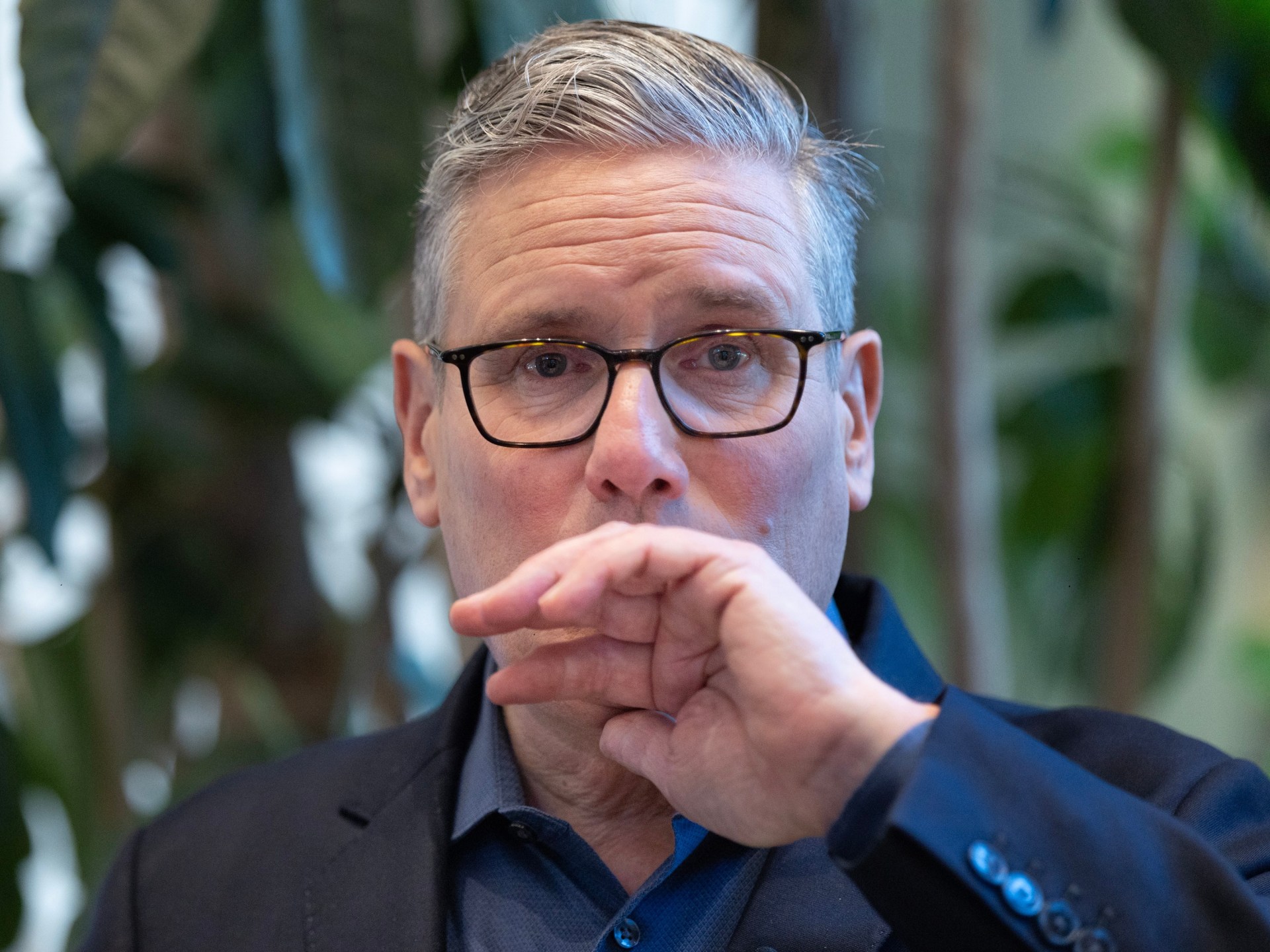
British Prime Minister Keir Starmer said Monday he will resign as Labour Party leader, setting Britain on course for its seventh prime minister in a decade after a sharp revolt inside the governing party.
Speaking outside 10 Downing Street, Starmer said he had informed King Charles III of his decision and would remain as caretaker prime minister until Labour chooses a successor. His likely replacement is Andy Burnham, the former Greater Manchester mayor who returned to Parliament last week and had been preparing to challenge him.
“The question my party is asking now is whether I am best placed to lead us into the next general election,” Starmer said. “I have heard the answer of my parliamentary party to that question, and I accept that answer with good grace.”
“Every decision I have taken has been about putting the country I love first,” he added. “That is why I will resign.”
Starmer said nominations to replace him as Labour leader, and therefore prime minister, will open July 9. If more than one candidate qualifies and a contest is held, a new leader will be in place by September. CBS News reported that if Labour unites behind one candidate without a contest, Starmer could leave the premiership by July.
The announcement ends a turbulent period in power for Starmer, 63, less than two years after he led Labour to a landslide victory in 2024, ending 14 years of Conservative rule. Before announcing his resignation, he defended his record, pointing to what he described as a stronger economy and wages, expanded worker rights, higher defense spending and one million children lifted out of poverty.
But pressure on Starmer had mounted since May, when Labour suffered one of its worst local and regional election performances as Nigel Farage’s Reform UK made major gains. Several Labour lawmakers blamed Starmer for unpopular policy decisions, while scandals and cabinet resignations deepened the crisis.
Health Secretary Wes Streeting quit last month and criticized Starmer’s record of indecision, saying he would consider a leadership bid. Defense Secretary John Healey later resigned in a dispute over military funding, accusing Starmer of failing to deliver on public promises.
Starmer also faced scrutiny over his December 2024 appointment of Labour veteran Peter Mandelson as U.S. ambassador despite Mandelson’s friendship with the late convicted sex offender Jeffrey Epstein. Starmer later dismissed Mandelson after personal messages with Epstein came to light and denied lying to lawmakers about the vetting process. Mandelson was arrested in February on suspicion of misconduct in public office connected to Epstein, though no charges have been brought. He has previously denied wrongdoing.
Burnham’s path to a possible succession opened when he won a special election Thursday for the Makerfield seat in Parliament, defeating a Reform UK candidate by a large margin. Prime ministers are not explicitly required by law to sit in the House of Commons, CBS News reported, but they have long been chosen from among sitting lawmakers.
“This now is the change moment,” Burnham said after his victory. “We have an opportunity to turn the tide, to make the country feel like it’s working again, to make people see that politics can make a positive difference, to make people feel hope again.”
Burnham, often called the “King of the North” for his advocacy for northern England as Greater Manchester mayor, is widely seen as the frontrunner. Labour leadership candidates need support from 20% of Labour MPs to proceed. If more than one clears that threshold, party members and supporters will vote.
Starmer’s voice faltered as he thanked his wife, Victoria, and his two children. CBS News quoted him as saying that after leaving “the biggest job in the country,” he would focus on “the most important job … being the best husband I can, to my fantastic wife Vic, who has been a rock by my side through good times and bad.”
President Donald Trump commented Sunday on Truth Social that Starmer had “failed badly on two very important subjects- IMMIGRATION AND ENERGY” before adding, “I wish him well!”


Be First to Comment