Key takeaways:
- Andy Burnham won the Makerfield by-election with 24,927 votes, defeating Reform UK’s Robert Kenyon, who received 15,696 votes.
- The result gives Burnham a seat in Parliament, allowing him to seek the 81 Labour MP nominations needed to challenge Keir Starmer for the party leadership.
- Turnout in Makerfield was 58.75 percent, higher than the 52.4 percent recorded there at the 2024 general election.
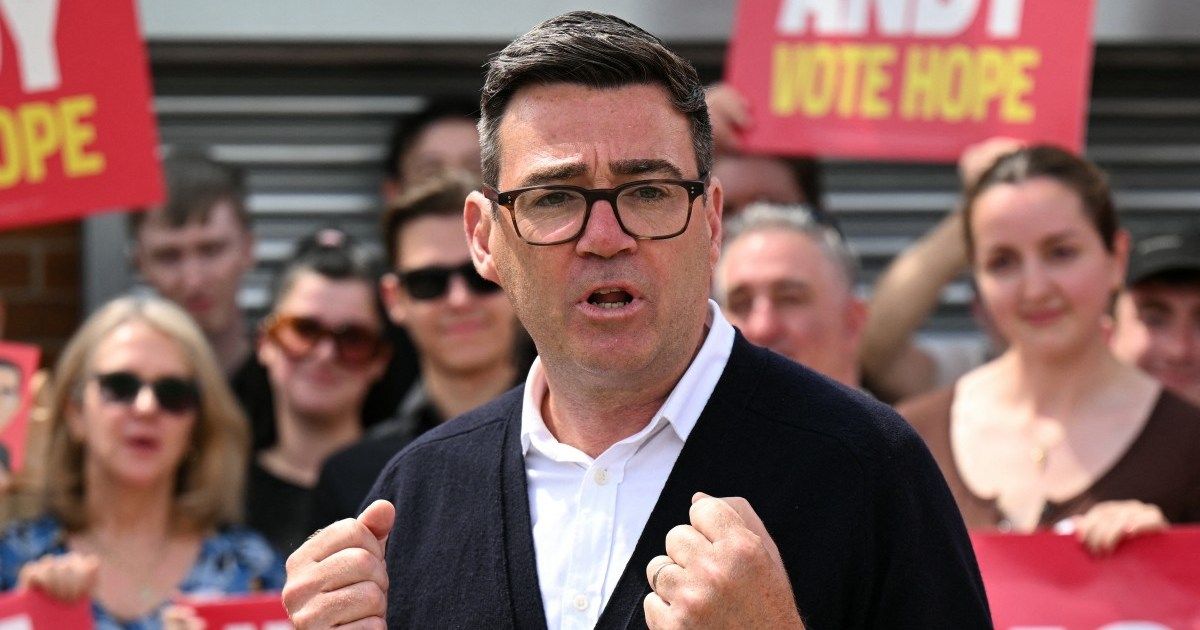
Andy Burnham won a closely watched by-election in Makerfield on Friday, securing a return to Parliament and opening the way for a possible challenge to Prime Minister Keir Starmer’s leadership of the Labour Party.
Burnham, the mayor of Greater Manchester, defeated Reform UK candidate Robert Kenyon by 24,927 votes to 15,696 in the northwest England constituency. Al Jazeera reported that Rebecca Shepherd of Restore Britain finished a distant third, followed by Conservative Michael Winstanley, Green candidate Sarah Wakefield and Liberal Democrat Jake Austin.
“Everyone knows that politics isn’t working,” Burnham said after the result was announced. “Everyone can feel that the country isn’t where it should be. Tonight could, just could, be the turning point.”
He cast the result as a mandate for political change, saying Makerfield could become “forever synonymous with bringing about the change this country needs.” He added that a “Makerfield test at the heart of British politics will ensure that the places Westminster has neglected will now get fairness.”
The election carried unusual national importance because Labour’s previous MP for Makerfield, Josh Simons, resigned his seat last month with the stated aim of allowing Burnham to enter the House of Commons and pursue the party leadership. About 75,000 people were eligible to vote in the constituency, which lies about 200 miles northwest of London. Turnout was 58.75 percent, up from 52.4 percent at the 2024 general election, according to Al Jazeera.
Burnham’s victory clears a procedural hurdle for any bid to replace Starmer. To force a Labour leadership contest, he would need support from 81 Labour lawmakers. Starmer has said he will fight any challenge rather than step aside, calling such a contest a “bad thing for the country.” Wes Streeting, who resigned as health secretary last month, is also preparing a leadership challenge.
Starmer, who led Labour to a large general election victory in 2024, has faced months of pressure from within his party after scandals, policy missteps and poor local and regional election results. NBC News reported that 110 Labour lawmakers have signed a letter calling for him to step down. Al Jazeera reported that 20 ministers have resigned from Starmer’s government in less than two years, with nearly half citing loss of confidence in his leadership or policy clashes.
Labour MPs worried about the next general election have also expressed concern that Starmer could lead the party to defeat and allow Nigel Farage’s Reform UK to make major gains. Makerfield, a working-class and largely white part of Greater Manchester, had been a target for Reform, but Burnham relied on his regional profile and record as mayor to hold the seat for Labour.
Reform’s campaign faced problems after old social media posts by Kenyon emerged. NBC News reported that Kenyon, a former plumber, had previously described himself online as a “sexist” and said some women had abortions for “vanity purposes.”
Burnham, first elected Greater Manchester mayor in 2017 and re-elected in 2021 and 2024, has built support in northern England by criticizing what he calls a political system that is too focused on London. He previously served in ministerial roles under Tony Blair and Gordon Brown and finished second to Jeremy Corbyn in the 2015 Labour leadership race.
An Ipsos poll published earlier this week found 25 percent of British adults preferred Burnham as prime minister, compared with 12 percent for Starmer, according to Al Jazeera.
Tim Bale, a politics professor at Queen Mary University of London, said Burnham’s win would bring both relief and anxiety inside Labour. “So far, he’s been something of a fantasy leader, a screen onto which supporters can project their pet theories as to how the government can turn things around,” Bale said. “Now, presuming he takes over from Starmer, that fantasy will collide with reality — and reality always wins.”
Claire Ainsley, Starmer’s former policy adviser and now a director at the Progressive Policy Institute, said Burnham had run a “positive campaign focused on hyperlocal issues that matter to people in the constituency of Makerfield, like waste and local services.”





Be First to Comment