Key takeaways:
- Trump and Pezeshkian electronically signed a memorandum of understanding that officials say is intended to end military operations and begin 60 days of final-deal negotiations.
- The memorandum calls for U.S. sanctions relief, access to frozen Iranian funds and assets, removal of the U.S. naval blockade of Iranian ports, and Iranian commitments not to develop nuclear weapons.
- Iran would allow toll-free commercial passage through the Strait of Hormuz for 60 days, but Ghalibaf said Iran expects future fees for services there.
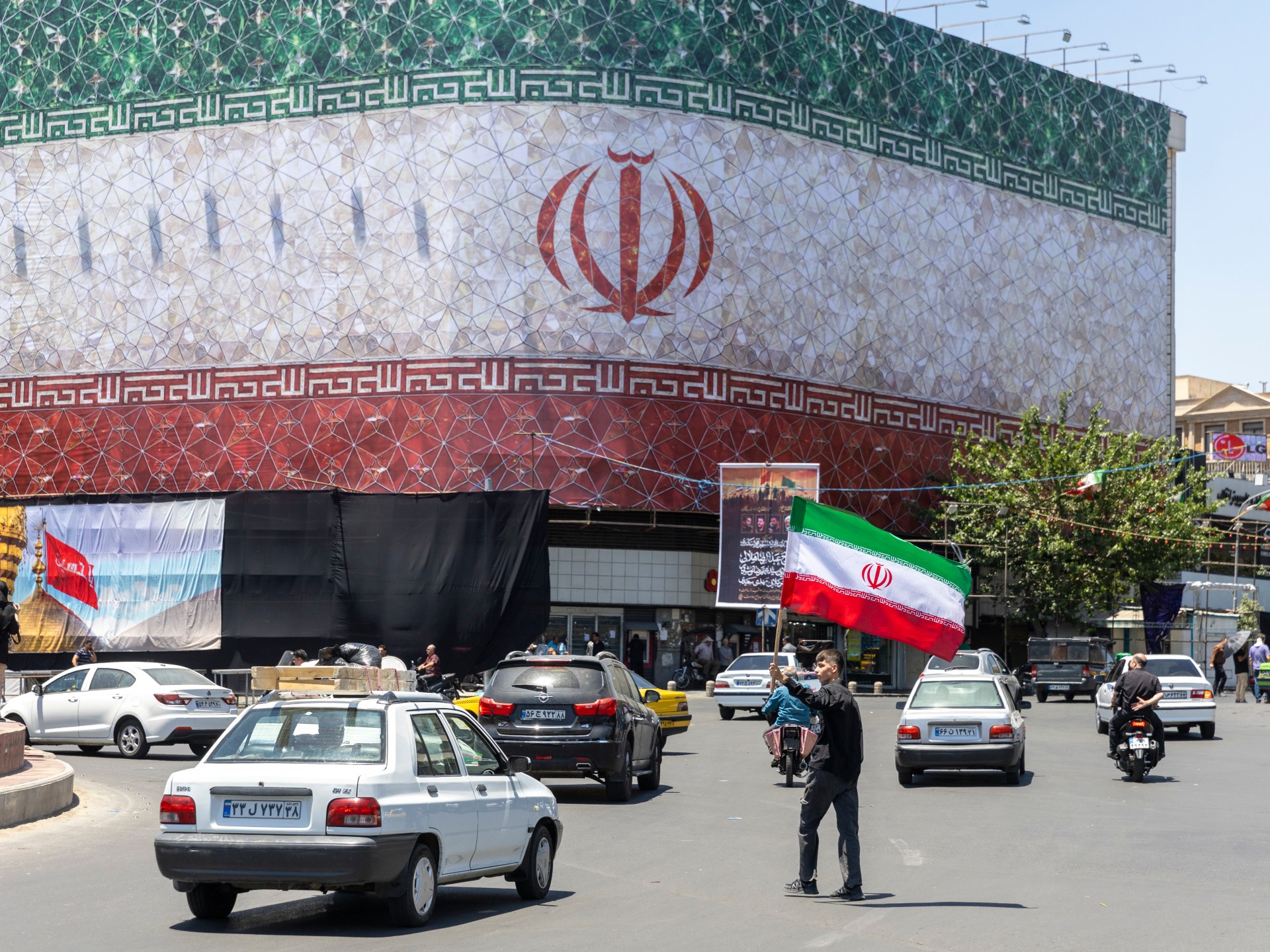
President Donald Trump and Iranian President Masoud Pezeshkian have electronically signed a memorandum of understanding aimed at ending the U.S.-Israeli war with Iran and opening a 60-day push toward a final agreement, officials from both countries said Wednesday.
The White House confirmed Trump signed the memorandum while at dinner at the Palace of Versailles with French President Emmanuel Macron. Asked about it as he left Versailles, Trump said, “It’s signed. Signed in Versailles. Just signed it.”
Iranian Foreign Ministry spokesperson Esmaeil Baghaei also said the agreement had been finalized and signed electronically. “The text of the Islamabad Memorandum of Understanding was finalised with the signatures of the presidents,” Baghaei told Iran’s IRNA news agency. “Now it is time to test the implementation of the agreement.” He said the agreement had already gone into effect.
The interim memorandum declares an intent to bring about an “immediate and permanent termination of military operations” in the war, which began Feb. 28 and has disrupted the Middle East and the global economy. A ceasefire was agreed in April to allow negotiations, though both sides have continued some strikes since then.
A U.S. official told NBC News that Vice President JD Vance and Iranian Parliament Speaker Mohammad Bagher Ghalibaf digitally signed the memorandum Sunday, with Trump as a witness. NBC News reported that Vance is still expected to travel to Switzerland on Friday for a signing, presumably ceremonial. Al Jazeera, citing Baghaei, reported that there would be no signing ceremony in Geneva because the document had already been signed electronically, though negotiating teams still planned to be in the city.
The 14-point memorandum, provided to NBC News by a senior U.S. official, says both sides will pursue a more substantive “final deal” within 60 days, “extendable with mutual consent.” It also calls for reopening the Strait of Hormuz, where about 20% of the world’s oil passed before the war. Iran would allow “safe passage of commercial vessels with no charge for 60 days only,” followed by talks with Oman on the waterway’s future administration.
Ghalibaf signaled that Iran expects the strait’s status to change after the negotiating period. “I emphasise again that the Strait of Hormuz will never return to the previous conditions,” he said, according to Al Jazeera. “Iran has the right to sovereignty over the Strait of Hormuz, and of course, we will receive a fee for services.”
Under the memorandum, the United States would “terminate all types of sanctions,” make frozen or restricted Iranian funds and assets fully available, and begin removing its naval blockade of Iranian ports. Iran “reaffirms that it shall not procure or develop nuclear weapons,” with a mechanism to be agreed on for its enriched material stockpile.
A senior U.S. official described Iran’s commitment on the enriched stockpile as “a major, major win for the United States of America,” and said sanctions relief would be tied to Iran fulfilling its obligations. The memorandum also commits the U.S. to work with regional partners on a plan for at least $300 billion for Iran’s “reconstruction and economic development,” though the official said the U.S. is not required to contribute.
“What it says is that if we get to a final deal and if the Iranians behave, we will permit the sanctions relief that would allow, for example, the Emiratis to build a power plant in Iran,” the official said.
Ghalibaf cast the agreement differently. “This agreement is a record of America’s failure, and people will judge it,” he said, according to the semiofficial Fars news agency. “Our current negotiations are from a position of strength.”
G7 leaders meeting in Evian-les-Bains, France, backed the agreement, calling it a “historic opportunity to prevent Iran from acquiring any nuclear weapon and tackling the threats related to its regional and ballistic activities.” Trump said frozen Iranian funds would be released “only if they’re doing things right.”
The agreement also calls for an immediate end to all fighting, including in Lebanon, where Israel and the Tehran-backed militant group Hezbollah have continued to exchange strikes. “The Lebanon peace is something we’ll have to work on a little bit,” Trump said. Israel is not a direct party to the U.S.-Iran memorandum, and a U.S. official said Israel remains skeptical.
An executive mechanism will monitor implementation, and the memorandum is to be endorsed through a binding U.N. Security Council resolution, according to the text reported by NBC News.



Be First to Comment