Key takeaways:
- The Court of Appeal found the proscription of Palestine Action under the Terrorism Act 2000 was lawful, justified and proportionate.
- Supporting or belonging to Palestine Action remains a criminal offence punishable by up to 14 years in prison.
- Palestine Action co-founder Huda Ammori said she plans to challenge the ruling in the UK Supreme Court and European Court of Human Rights.
Britain’s Court of Appeal ruled Monday that the government acted lawfully when it banned Palestine Action as a terrorist organisation, overturning a High Court decision that had found the proscription unlawful and disproportionate.
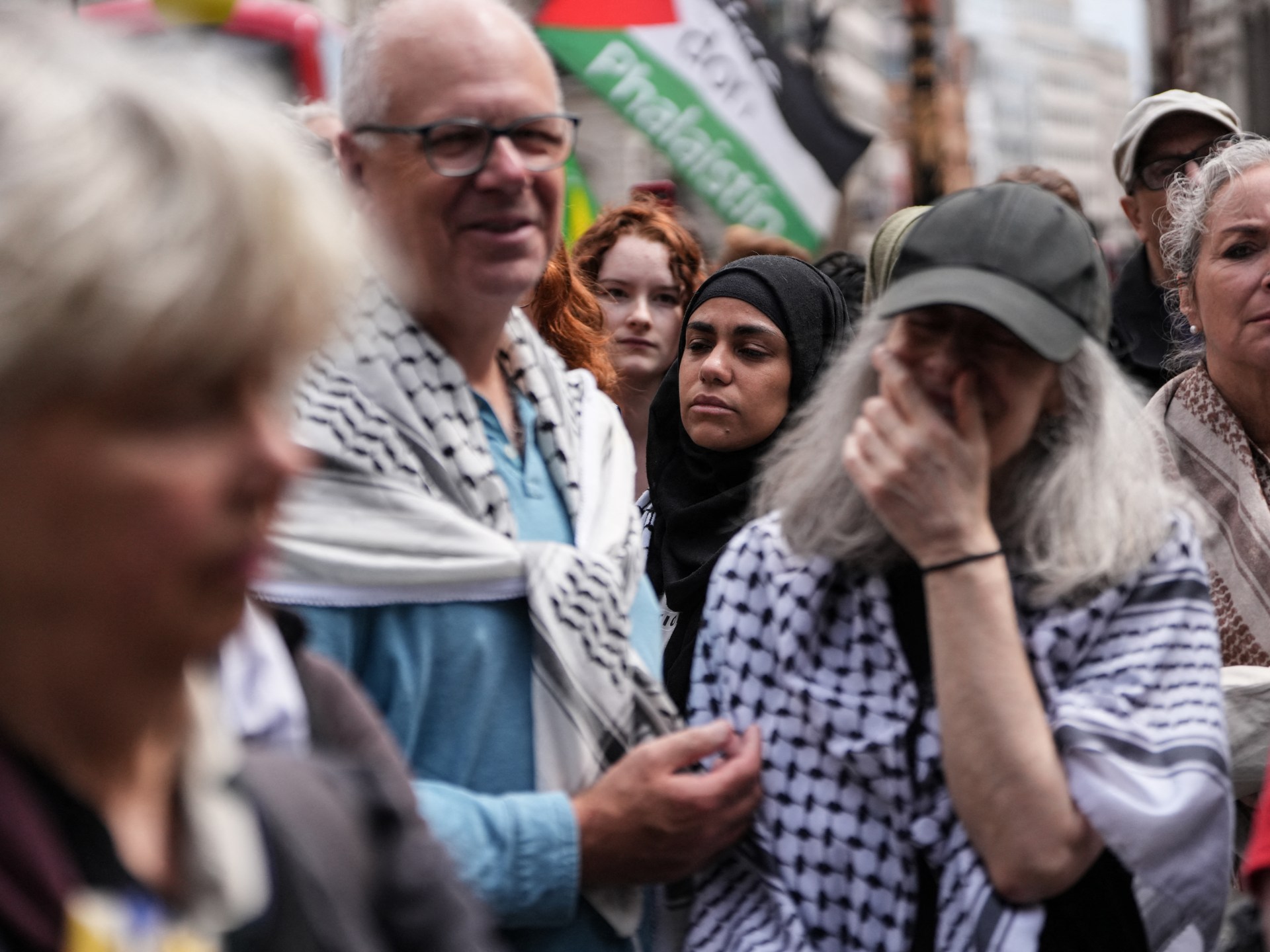
The ruling, delivered by five senior judges, keeps in place a ban that makes it a criminal offence to belong to or support the group, punishable by up to 14 years in prison. Thousands of people have been arrested at demonstrations since the ban came into force in July 2025, including 58 people detained Monday outside the Royal Courts of Justice on suspicion of supporting a proscribed organisation, the Metropolitan Police said.
Lady Chief Justice Baroness Sue Carr said the Court of Appeal concluded that the ban was “justified and proportionate” and that the government had struck a lawful balance between national security concerns and rights to protest and free expression.
“We concluded that the proscription decision struck a fair balance,” Carr said. “We therefore allowed the home secretary’s appeal against the decision of the Divisional Court.”
The case followed a February High Court ruling that the government’s decision to ban Palestine Action under the Terrorism Act 2000 had breached protest rights and had been incorrectly taken by ministers. The government appealed, arguing that the home secretary was entitled to consider the benefits of using terrorism legislation to target and curtail the group.
Carr said the proscription was “highly controversial” and acknowledged that Palestine Action was supported by “many otherwise law-abiding citizens.” But she said it was “a fundamental mistake to overlook the fact that Palestine Action overtly promotes unlawful violence amounting to terrorism.”
“It is not — as claimed — a direct action civil disobedience protest group like the suffragettes, operating transparently in the open,” she said. “It is a covert organisation which operates with secret cells to avoid the detection and prosecution of those using violence to destroy property and cause injury.”
The judges said the group had not disowned or condemned three incidents before the ban that ministers judged to amount to terrorism. Carr said Palestine Action’s activities had caused injury as well as property damage and that its campaign was “intended to close down lawful businesses.”
The court said threats posed by the group were central to the government’s decision, including risks to third-party individuals and property and the targeting of lawful businesses. The BBC reported that those businesses included defence firms involved in UK national defence and assisting Ukraine.
Home Secretary Shabana Mahmood welcomed the ruling, saying it “does not affect lawful protest in support of the Palestinian cause.” She said Palestine Action had “carried out acts of terrorism, celebrated those who have taken part in those acts and promoted the use of violence,” adding that it is “not an ordinary protest or civil disobedience group.”
Huda Ammori, co-founder of Palestine Action, said she would seek to appeal the decision to the UK Supreme Court, though the BBC reported it was not clear whether the court would hear the case. She said she would “fight proscription all the way” to the Supreme Court and European Court of Human Rights to overturn “one of the most extreme attacks on free speech and the right to protest in modern British history.”
Amnesty International called the ruling “deeply disappointing,” saying on X that the ban was “a grave misuse of counter-terrorism powers with serious consequences for human rights.”
A spokesperson for Defend Our Juries, which leads the Lift the Ban campaign, said the group was surprised by the verdict and accused the government of using the courts to suppress opposition. “We will continue to protest against this Government’s embarrassing attempts to cover up its crimes with mafia state intimidation tactics,” the spokesperson said.
The Court of Appeal said the government generally has a wide margin in national security decisions, while courts remain the ultimate arbiter of legality. Jonathan Metzer, a barrister specialising in government decision cases, told the BBC that Palestine Action must obtain permission to appeal and that the Supreme Court does not hear every case.






Be First to Comment