Key takeaways:
- U.S. District Judge Amit Mehta ruled that plaintiffs had not shown sufficient irreparable harm to stop Sunday’s UFC event at the White House.
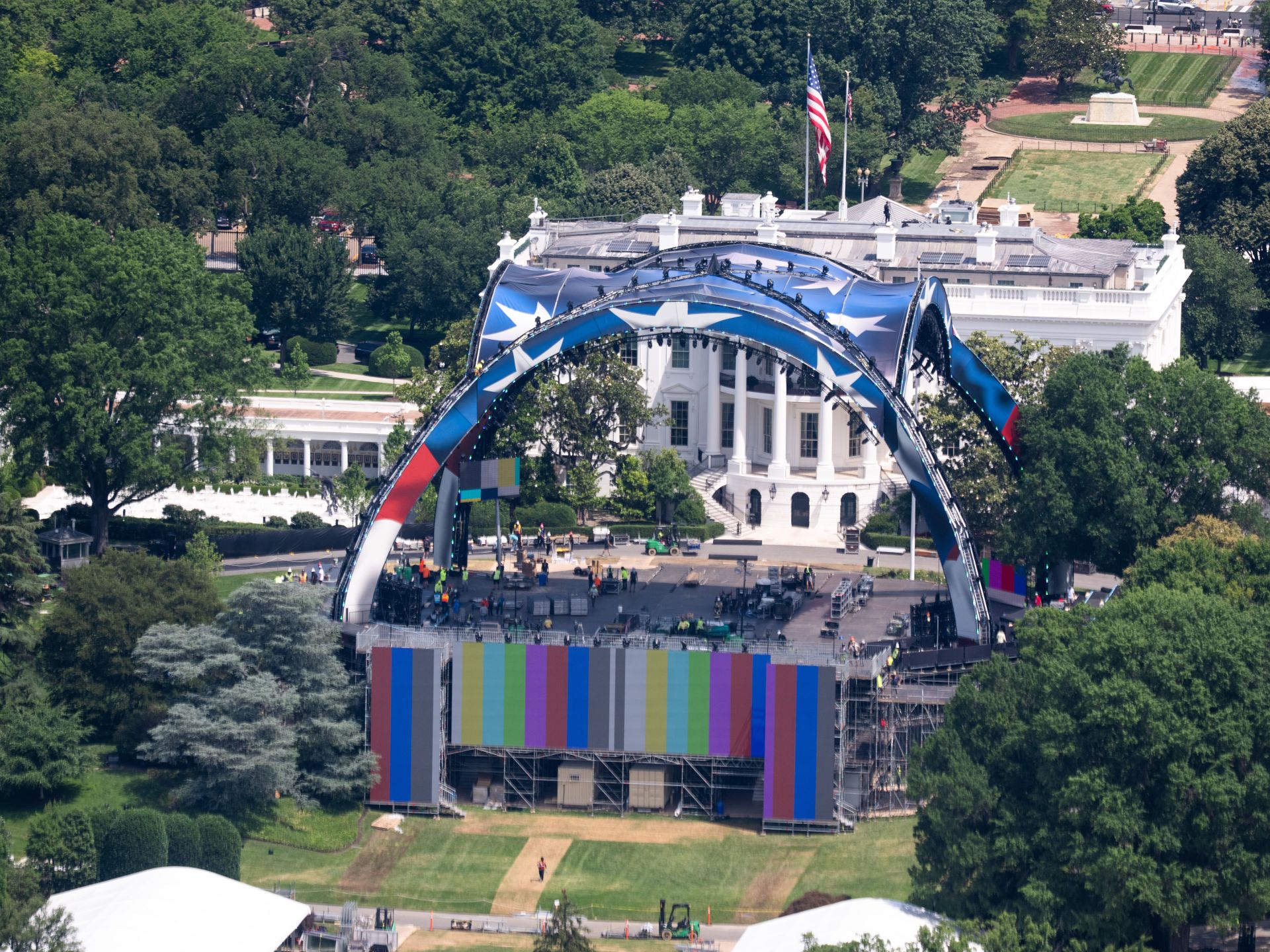
- The lawsuit challenged the construction of a 92-foot-tall, 600-ton steel structure called The Claw on White House grounds.
- Plaintiffs argued the Trump administration could not lawfully grant UFC the business opportunity; the White House called the lawsuit baseless.
A federal judge on Friday refused to block a UFC mixed martial arts event planned for the White House South Lawn, allowing organizers to move ahead with a weekend show tied to celebrations of the nation’s 250th anniversary.
U.S. District Judge Amit Mehta ruled that the plaintiffs had not shown enough harm to justify emergency court intervention before the event, scheduled for Sunday on President Donald Trump’s birthday. The event, called “UFC Freedom 250,” is set to take place in a fighting ring already built on the White House grounds.
“In the context of an emergency application — and coupled with the fact that the UFC fight date was long ago known — it is fair to say Plaintiffs unreasonably delayed bringing suit, undercutting their claims of irreparable harm,” Mehta wrote, according to Al Jazeera.
The lawsuit was brought by attorneys from the nonprofit Public Integrity Project on behalf of an activist and a Vietnam War veteran. The plaintiffs sought to challenge the event and stop organizers from building structures on White House grounds, including a 92-foot-tall, 600-ton steel structure known as The Claw.
Their lawyers argued that the construction would cause “aesthetic harms.” They also said the Trump administration lacked authority to issue permits for sporting events on the South Lawn or at the Lincoln Memorial, where UFC fighters planned to hold a press conference Friday in front of fans. The plaintiffs described the event as a privately organized, for-profit business venture, with VIP packages costing millions of dollars.
“The President’s administration is granting the UFC an extraordinary business opportunity it may not lawfully grant, and in exchange the UFC is throwing an event at which its leadership, fighters, advertisers, and various celebrities will all pay tribute to the President on his birthday,” the plaintiffs’ attorneys wrote.
Mehta rejected the emergency bid to halt the event. On the claim of aesthetic harm, Al Jazeera reported that he said the concern was weakened by the representation that The Claw would be taken down after the event.
“The President’s musings about permanency of the Claw does not move the dial in the face of a White House official’s clear representation,” Mehta wrote, according to Al Jazeera. The outlet reported that the structure is expected to be disassembled and removed starting Monday.
The White House called the lawsuit a baseless attempt to stop Trump from hosting an event it said was no different from many others regularly held in public forums in the nation’s capital. The National Park Service and the Interior Department are named as defendants in the case.
Trump has longstanding ties to the sport and to UFC President and CEO Dana White. In 2019, during his first term, Trump became the first sitting president to attend a UFC event.
Mehta, who was nominated to the federal bench by President Barack Obama, has presided over other cases involving Trump, including civil litigation accusing him of inciting supporters to attack the U.S. Capitol on Jan. 6, 2021, after his loss to President Joe Biden in the 2020 election.



Be First to Comment