Key takeaways:
- Gates said he met Epstein in 2011 to discuss potential global health fundraising and ended contact in 2014 after no funds were raised.
- Gates told lawmakers he never visited Epstein’s island, ranch or Florida home and never witnessed or knew of ongoing criminal conduct.
- Gates said Epstein tried unsuccessfully to use information about his marital infidelities, along with false claims, to pressure him to re-engage.
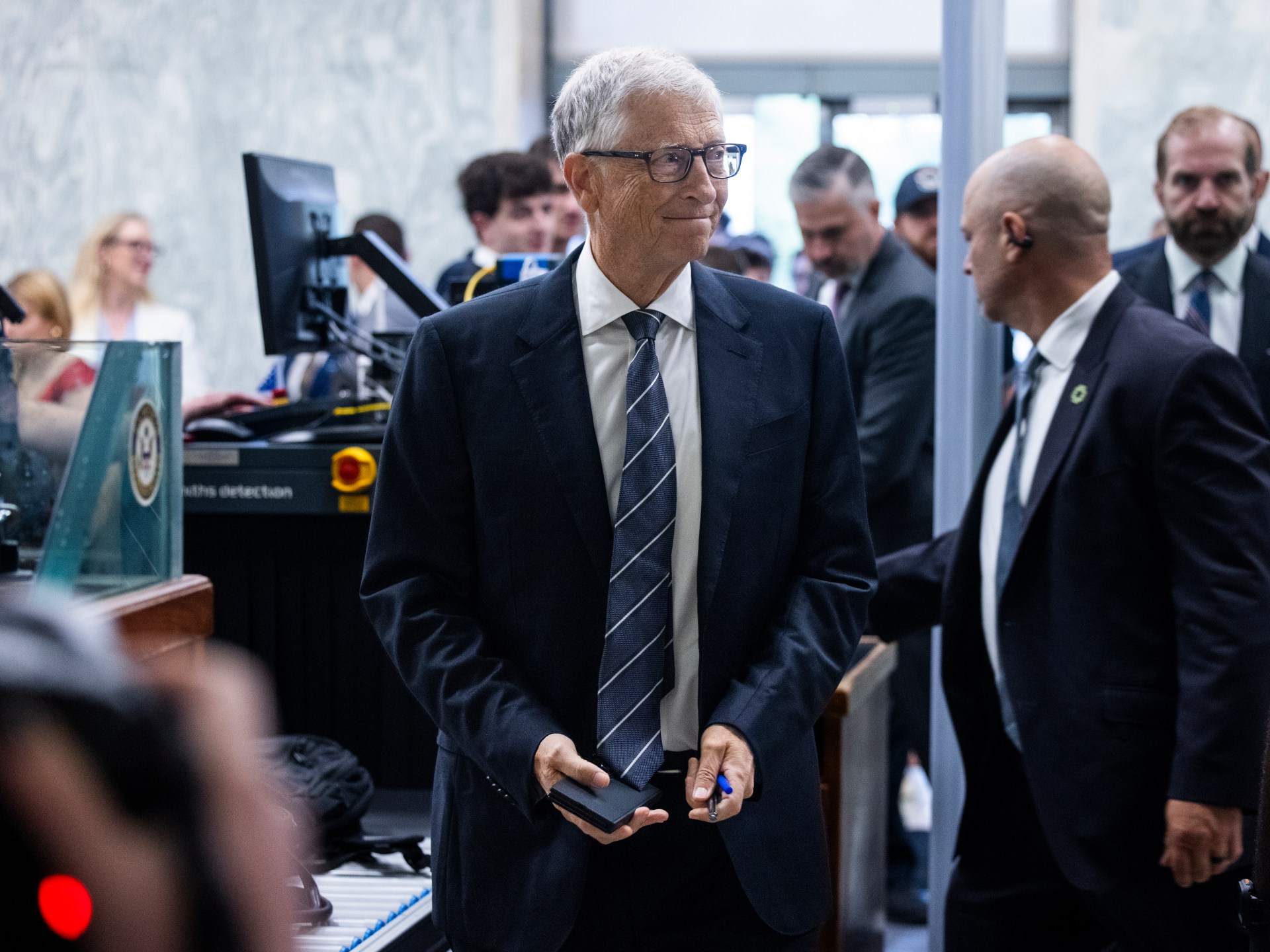
Bill Gates told a House committee Wednesday that Jeffrey Epstein tried to cultivate a personal relationship with him and later used information about his marital infidelities to pressure him, but the Microsoft co-founder said he never reciprocated and ultimately cut off contact when Epstein failed to deliver promised philanthropic support.
Gates appeared voluntarily behind closed doors before the House Oversight Committee, which is examining the government’s handling of the Epstein case and the late financier’s ties to powerful people. In prepared remarks, Gates called his decision to meet Epstein “a grave error in judgment” and said any credibility his contact gave Epstein was deeply regrettable.
“I want to state very clearly: I never witnessed nor had any indication that Epstein was engaged in ongoing criminal conduct,” Gates said. “I never went to his island, his ranch, or his Florida home. I have never victimized anyone. While he may have sought to foster a personal relationship, I was never interested in that and never reciprocated.”
Gates said he met Epstein in 2011, three years after Epstein was convicted in Florida on charges of soliciting prostitution. Epstein claimed he could raise billions of dollars for global health from wealthy people for whom he provided tax and estate services, Gates told lawmakers. Gates said he was aware Epstein had faced legal trouble but “did not fully understand the extent of the crimes he committed.”
According to Gates, the two had three meetings in 2011 and two in 2012, and discussions continued until 2014 around possible giving structures tied to Gates’ philanthropic work. Gates said Epstein would have no role in his foundation and would receive no compensation. No charitable vehicle was created, and no funds were raised.
In 2014, after Epstein assembled a group he described as potential donors, Gates said he concluded the discussions “were a dead-end.” He told the committee: “At that point, I concluded Epstein would never deliver on his promises. I told him we would go no further and stopped communicating or meeting with him.”
Gates also addressed draft emails released among Epstein-related files that contained unverified allegations about Gates’ personal life. The emails included claims that Epstein facilitated “illicit trysts” with married women, that Gates had contracted a sexually transmitted infection from what Epstein described as “Russian girls,” and that he sought to give antibiotics to his then-wife, Melinda Gates, without her knowledge. Gates has denied those allegations. CBS News reported that a Gates spokesperson previously called the claims “absolutely absurd and completely false.”
Gates has acknowledged having affairs with two Russian women. “Epstein was working to use information about my infidelities — in addition to many lies that he layered on top — to pressure me to re-engage with him,” Gates said. “He was unsuccessful in this effort.”
The BBC reported that Gates has said he traveled with Epstein on a private jet, while CBS News reported that Gates denied spending time with Epstein socially, including by flying in his plane.
Committee members said Gates named people Epstein had approached for fundraising, but Democrats did not make those names public. Rep. Robert Garcia, the panel’s top Democrat, told reporters that Gates “was aware that Jeffrey Epstein could be convicted for a horrific crime, and continued to interact with him to seek money for his foundation.”
Republican Rep. Tim Burchett said the questioning was “very intense” and described Epstein as a “friend collector” who surrounded himself with prominent people to “project power and influence.”
The committee has also interviewed or questioned figures including former President Bill Clinton, former Secretary of State Hillary Clinton, Commerce Secretary Howard Lutnick, billionaires Les Wexner and Leon Black, Ghislaine Maxwell and former Attorney General Pam Bondi. Maxwell, Epstein’s longtime associate, is serving a 20-year prison term and invoked her right not to answer questions when she appeared virtually before the committee in February.
Epstein died by suicide in a jail cell in 2019 while awaiting trial on federal sex-trafficking charges. The Justice Department released millions of pages of Epstein-related documents in January, including records in which Gates’ name appeared thousands of times and photos showing him with Epstein.







Be First to Comment